
How Long Does It Take For Batteries To Decompose

Ever wondered what happens to batteries after they're tossed in the trash? It's kind of a wild, slow-motion decomposition party. We're talking about a process that makes watching paint dry seem like a Formula 1 race!
So, how long does this electrifying… or rather, de-electrifying… saga take? Buckle up, because the answer involves timelines that could make a geologist blush.
The Rundown on Run-Down Batteries
First, let's talk about the types of batteries we're dealing with. We’ve got your standard alkaline batteries, the AAs and AAAs powering your TV remote. Then there are lithium-ion batteries, the powerhouses in your smartphones and laptops. And let's not forget the old-school heavyweights, like the lead-acid batteries in cars.
Must Read
Each type has a different chemical cocktail inside. And that cocktail party determines how long it takes for the battery to break down in the environment.
For the average alkaline battery, the kind you use for your flashlight, you're looking at a decomposition timeline of, gulp, 100 years. Yes, you read that right. A century! Think about it: a battery tossed today might still be partially around when your great-grandchildren are checking it out. Kinda mind-blowing, isn’t it?
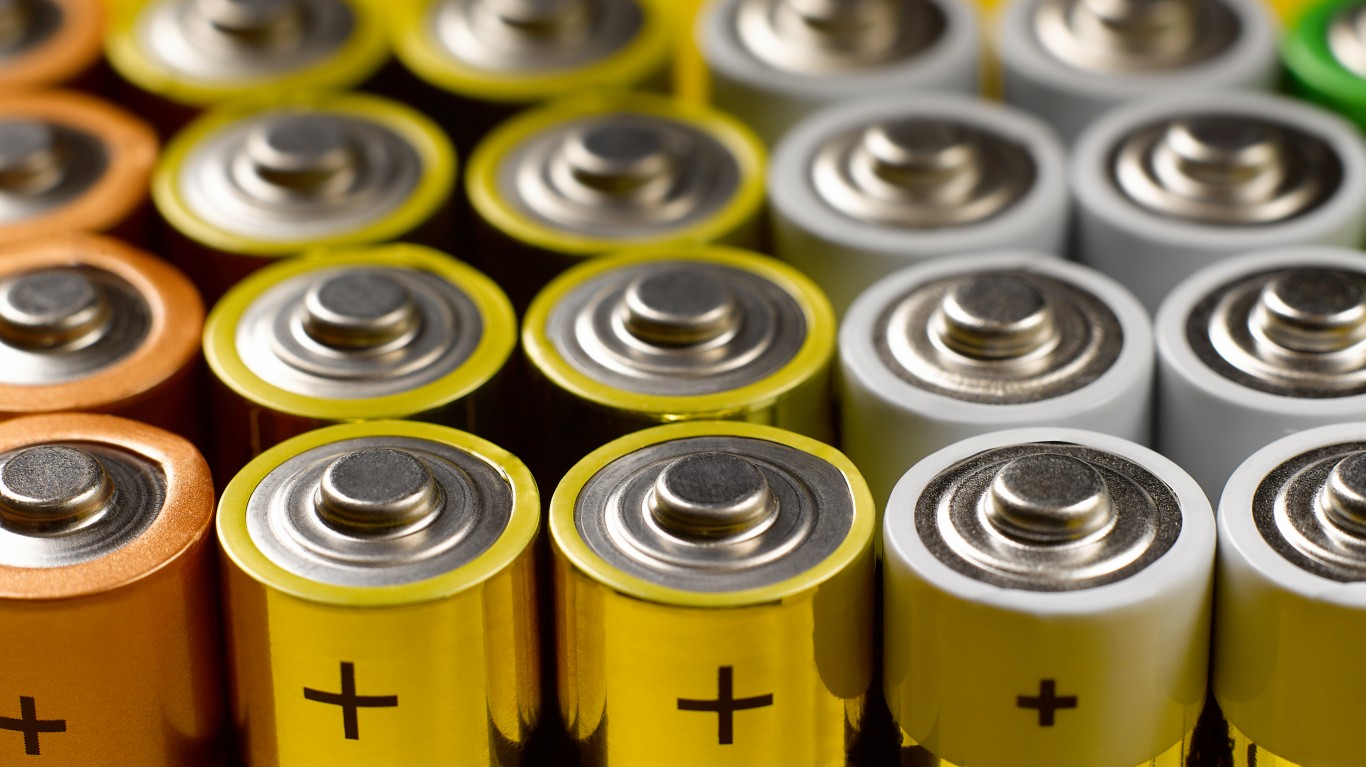
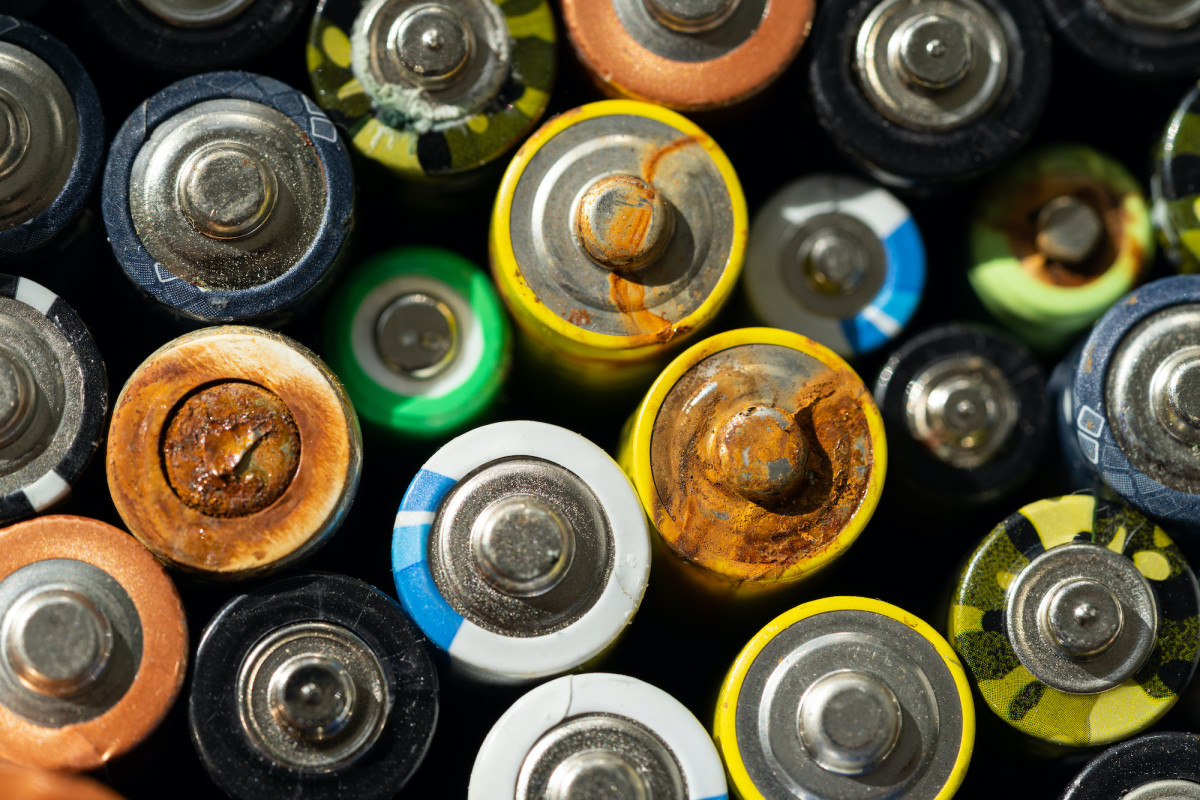
The metal casing is really the troublemaker. It takes forever to corrode and break down. During that time, nasty chemicals inside can leak out. Not exactly a win for the environment, right?
Lithium-Ion: The Long Game
Now, let’s ramp things up with lithium-ion batteries. These are the rockstars of modern electronics. They're also a little more complex when it comes to decomposition. Estimates vary, but we’re generally talking about 50-500 years. Yep, that's a pretty wide range, and it depends on factors like landfill conditions and the specific battery composition.
What makes lithium-ion batteries so… resilient? It’s the combination of different metals and plastics used in their construction. Plus, these batteries are often encased in tough materials designed to withstand a beating. Which is great for your phone, but not so great for the planet when it’s sitting in a landfill.

And here's the kicker: even after the battery appears to be "gone," some of its components can persist in the soil for much, much longer. We're talking potentially forever. Now that's a commitment!
Lead-Acid: A Relic of the Past (But Still Around)
Finally, let's not forget about lead-acid batteries. You'll find these in cars and other heavy-duty applications. While they are often recycled (which is fantastic!), some inevitably end up in landfills.
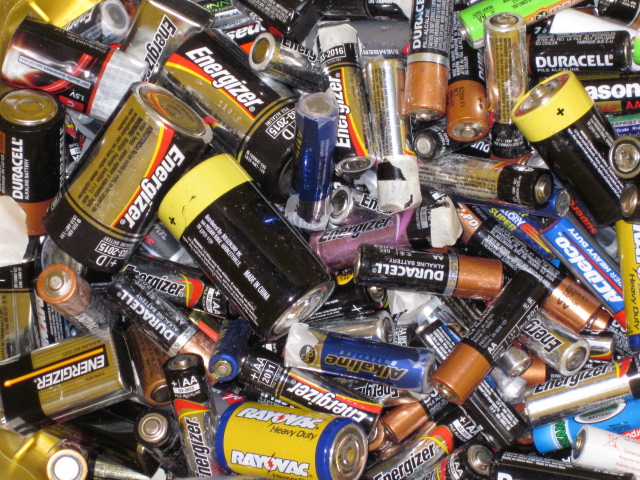
Lead is a heavy metal and a major environmental hazard. When lead-acid batteries decompose, they can release lead into the soil and water, causing serious problems. The decomposition time for these batteries can be hundreds, if not thousands, of years, particularly for the lead components.
Why This Matters (and Why It's Actually Kinda Cool)
Okay, so we've established that batteries take a ridiculously long time to decompose. Why should you care? Well, think about the sheer volume of batteries we use every single day. That's a whole lotta persistent potential pollution!
But here's where it gets fascinating. Understanding this slow-motion breakdown forces us to think differently about how we use and dispose of batteries. It highlights the importance of recycling. Battery recycling programs can recover valuable materials from old batteries, preventing them from ending up in landfills. This isn't just good for the environment; it's also smart resource management!
It also encourages us to explore new battery technologies. Scientists are constantly working on developing more sustainable and biodegradable batteries. Imagine a future where batteries break down relatively quickly and harmlessly! That's a goal worth striving for.
Think of it this way: a single battery's long, slow decay is like a tiny, quiet lesson in environmental responsibility. It's a reminder that even seemingly small actions can have a long-lasting impact. It’s a call to be more mindful, more resourceful, and, yes, maybe even a little bit more curious about the world around us. Even the world of discarded batteries.
So, the next time you toss a battery, remember its epic decomposition journey. It's a journey that's surprisingly captivating and ultimately, pretty inspiring. Go recycle! You'll be giving Mother Nature a big, century-spanning hug.