
How Long Does It Take Alternator To Charge Battery
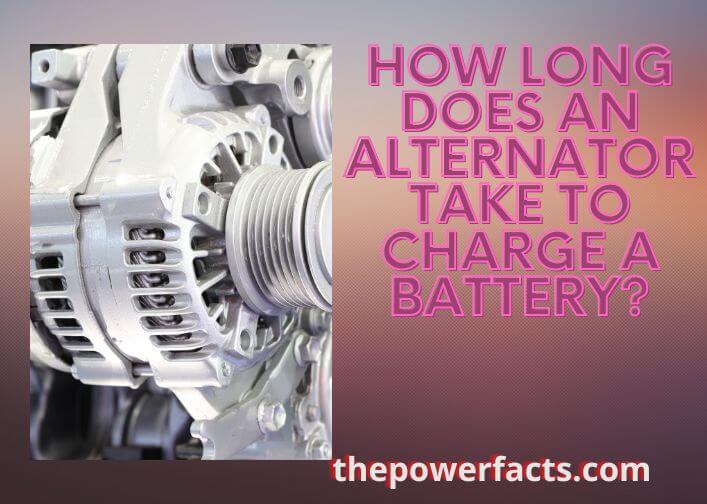
Ever been stuck with a car that just... refuses to start? Ugh, the worst, right? Like when you’re already running late for a brunch you promised to be on time for (avocado toast waits for no one!). Usually, that dreaded click-click-click is a dead battery. But what if I told you the alternator, that unsung hero under your hood, is the key to getting you back on the road? And more importantly, how long does it take for that little guy to actually charge your battery?
Think of your car battery like a phone battery. You need it to start the engine (make calls!), power the lights (take selfies!), and run the radio (play your power anthems!). The alternator, on the other hand, is like your phone charger. It keeps the battery topped up while you’re driving.
So, How Long Are We Talking? The Charging Timeline
Okay, let's get down to the nitty-gritty. The truth is, there's no magic number. The time it takes for an alternator to charge a car battery depends on a few key factors:
Must Read
Generally speaking, a healthy alternator can start significantly charging a moderately drained battery in about 30 minutes to an hour of driving. A completely dead battery could take much longer, possibly even several hours of continuous driving.
The "Trickle-Charge" vs. The "Jump-Start Boost"
It's crucial to understand that your alternator isn't designed to resurrect a completely dead battery from the depths. It's more of a maintainer than a miracle worker. That’s why jump-starting is often needed.
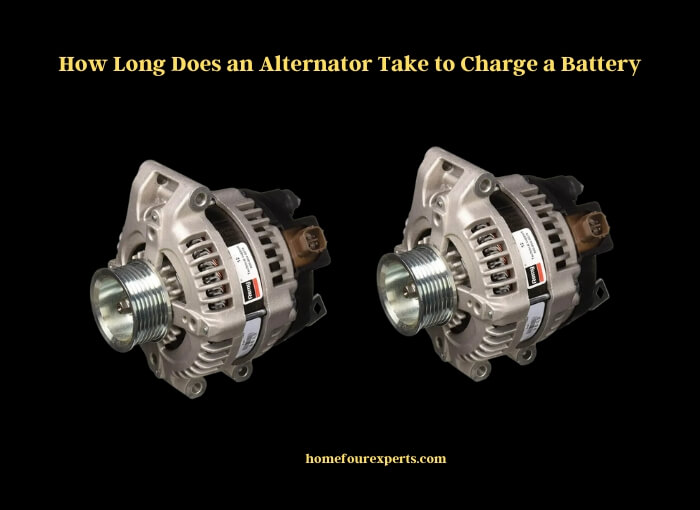
Think of it like this: if your phone is at 1%, you usually plug it in and let it charge slowly. Your alternator is like that slow, consistent charger. But if your phone is completely dead, sometimes you need a quick boost from a powerful portable charger (that’s your jump-start!) to get it going.
Why Should You Care About All This? Because Nobody Likes Being Stranded!
Knowing how your alternator works and how long it takes to charge your battery is about more than just geeky car knowledge. It's about avoiding those "stuck on the side of the road" moments.

Imagine this: You're driving to a job interview, and suddenly your car sputters and dies. Knowing that a weak battery might be the culprit, and that simply driving around for an hour to charge it might not be enough, could save you from a missed opportunity.
Prevention is always better than cure. Get your battery and alternator checked regularly, especially if your car is getting older or you notice any warning signs, such as dimming headlights or a slow engine crank. A simple check-up can prevent a whole lot of headaches down the road (pun intended!).

Signs Your Alternator Might Be Playing Hide-and-Seek
Here are a few telltale signs that your alternator might be on its way out:
* Dimming Headlights: Especially noticeable when you're idling. * A Slow or Weak Engine Crank: The engine struggles to turn over. * Warning Lights: The battery light or alternator light on your dashboard illuminating. Pay attention to these! * Strange Noises: A whining or growling sound coming from under the hood. * Electrical Problems: Issues with your power windows, radio, or other electrical components.If you experience any of these, don't ignore them! Take your car to a trusted mechanic for a check-up. A little preventative maintenance can save you from a much bigger (and more expensive) problem later on.
In Conclusion: Be Kind to Your Alternator (and Your Battery!)
Your alternator and battery work together as a team to keep your car running smoothly. Understanding how they work and taking good care of them is essential for avoiding unexpected breakdowns and ensuring you can always get where you need to go. So, next time you're behind the wheel, give a little thought to that unsung hero under the hood – it's working hard to keep you on the road, and hopefully on time for that avocado toast!
