How Long Does Freezer Stay Cold Without Power

Let's face it, in our modern world, the freezer is a true unsung hero. Beyond just storing ice cream and frozen pizzas, it's a time capsule, a preserver of leftovers, and a safeguard against that dreaded "what's for dinner?" panic. But what happens when the lights go out? How long can that icy fortress stand its ground against the forces of room temperature? Knowing the answer isn't just about preventing food spoilage; it's about peace of mind.
Understanding your freezer's resilience isn't just for preppers. Think about the implications for artists who work with perishable materials like clay or natural dyes. A prolonged power outage could ruin weeks of work! Hobbyists who freeze seasonal fruits for jams or sauces need to know how long they have to salvage their precious ingredients. Even the casual learner experimenting with homebrewing or sourdough starters benefits from understanding temperature control. A frozen starter, properly maintained, can be a lifeline in a baking emergency.
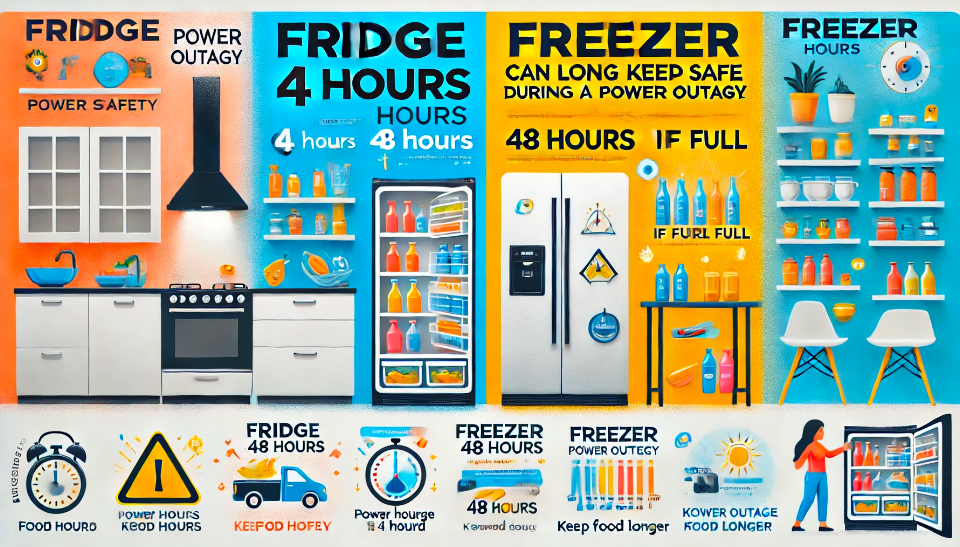
So, how long exactly? A fully stocked freezer can typically maintain a safe temperature (below 40°F or 4°C) for approximately 48 hours if the door remains closed. A half-full freezer, on the other hand, will only hold that temperature for about 24 hours. This is because the frozen food itself acts as thermal mass, helping to keep everything cold. Consider this: a block of frozen water bottles can significantly extend that timeframe. And speaking of strategies, avoid opening the door at all costs! Each peek lets in warm air and accelerates the thawing process.
Must Read
What about different types of freezers? Chest freezers, due to their design, generally hold their temperature longer than upright freezers. This is because cold air naturally sinks, and chest freezers minimize the escape of cold air when opened. Knowing your freezer type is key. Also, consider investing in a freezer thermometer. This simple device provides a tangible indication of the temperature inside and eliminates the guesswork. If the power outage is predicted, turn your freezer to its coldest setting a few hours beforehand to give everything an extra chill.
Here are a few more tips for trying it at home (well, hopefully not trying it during an actual outage!): conduct a practice run. Fill some containers with water and freeze them in different areas of your freezer. During a simulated outage (unplug it briefly!), monitor the temperature of these containers over time. This will give you a realistic understanding of how your freezer behaves. Use a cooler filled with ice to temporarily store vulnerable items if you anticipate a prolonged outage. Most importantly, research food safety guidelines to determine which items can be safely refrozen after a partial thaw.
Ultimately, understanding how long your freezer stays cold without power is empowering. It allows you to make informed decisions, protect your food (and your creative endeavors!), and minimize waste. It's not just about avoiding spoiled leftovers; it's about being prepared and in control, and that brings a certain satisfaction in itself. It's the quiet confidence of knowing you've got a handle on things, even when the lights are out.