How Long Does Daratumumab Stay In Your System
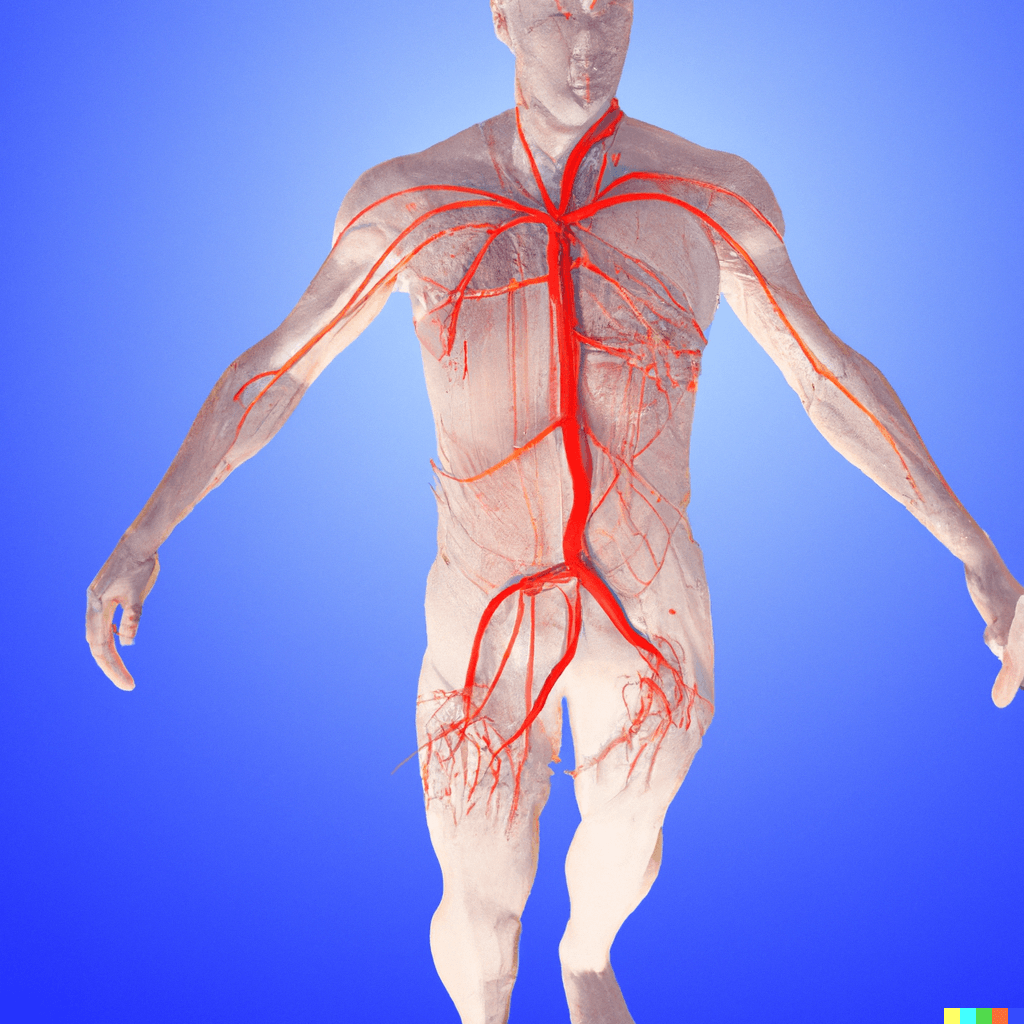
Let's talk about Daratumumab! Now, I know what you might be thinking: "Daratumumab? Sounds like something from a sci-fi movie!" And you're not entirely wrong – it's pretty impressive stuff. But before your eyes glaze over, let's frame this. Think of Daratumumab as a highly specialized, incredibly precise cleaning crew, but instead of tidying up your house, it's targeting specific unwanted cells in your body. People aren't exactly enjoying using it in the same way they enjoy a good cup of coffee, but they certainly appreciate the potential life-changing benefits it offers.
So, what's the big deal? Daratumumab is a type of monoclonal antibody, a fancy term for a lab-created protein designed to recognize and bind to a specific target. In this case, it targets a protein called CD38, which is found in high amounts on myeloma cells – the cells that cause multiple myeloma, a type of cancer that affects plasma cells in the bone marrow. The benefit and purpose here is to help manage or even eradicate this cancer, improving the quality of life and potentially extending the lifespan of those affected. It's a powerful tool in the arsenal against a serious illness.
How is Daratumumab applied in the real world? Typically, it's administered intravenously, meaning it's dripped into your vein. You might see it used in combination with other cancer therapies, like chemotherapy or stem cell transplants. The exact regimen and frequency will depend on the individual's circumstances and the specific treatment plan determined by their doctor. Common examples include using Daratumumab as a frontline treatment for newly diagnosed patients or as a therapy for relapsed or refractory myeloma (meaning it has come back or stopped responding to other treatments).
Must Read
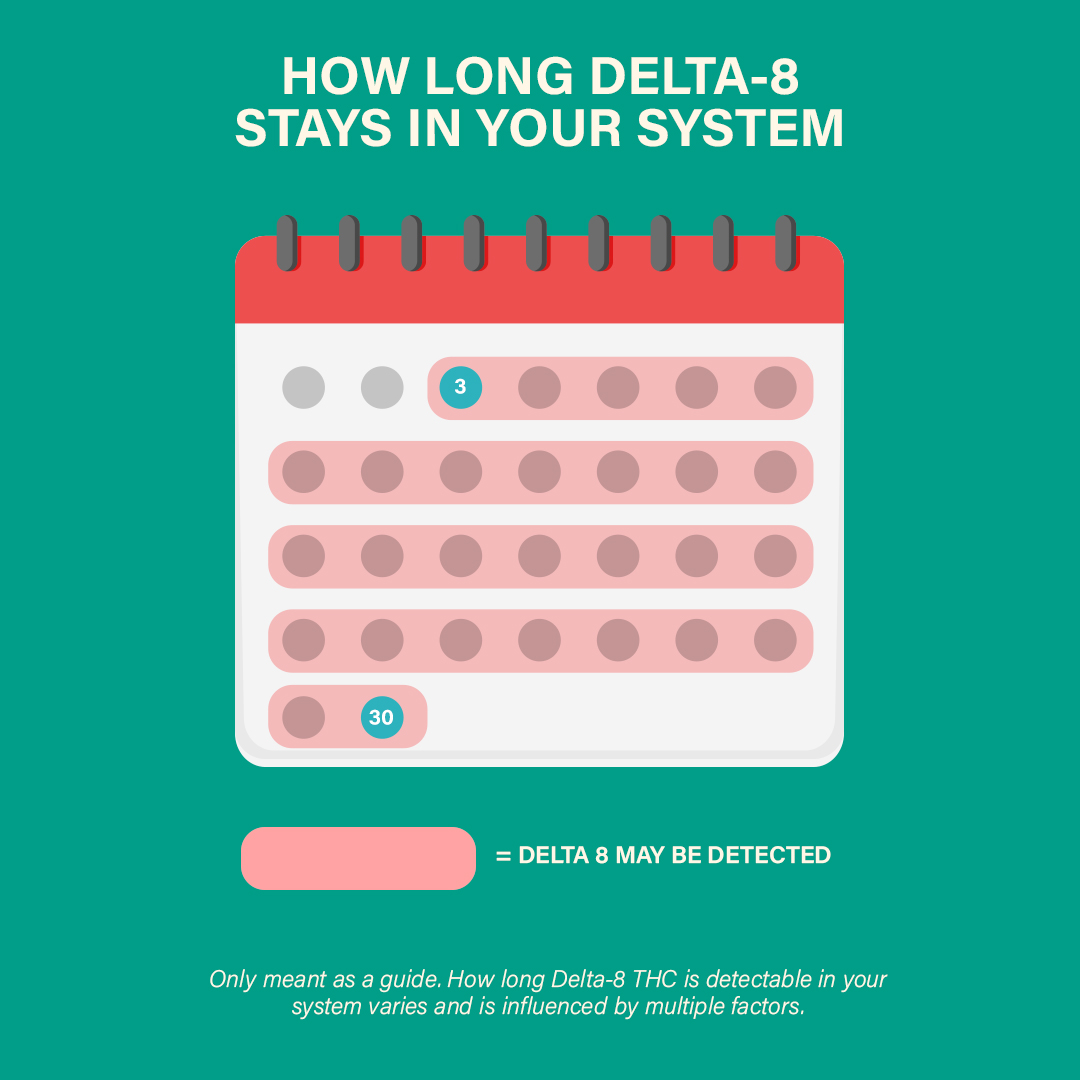
Now, for the burning question: How long does this "cleaning crew" stick around in your system? This is where things get a little more complex. The half-life of Daratumumab, which is the time it takes for the concentration of the drug in your body to reduce by half, can vary. Studies suggest that the estimated half-life is around 16-18 days after the first dose. That means it takes roughly 4-5 half-lives for a drug to be mostly eliminated from your system. Therefore, Daratumumab can be detectable in your blood for several months after the last infusion.
However, a few factors can influence this timeline. Things like your age, kidney function, and other medications you're taking can potentially affect how quickly your body processes and eliminates the drug. Your doctor will monitor you closely during and after treatment to assess how well you're responding and to manage any potential side effects. While you can't exactly "enjoy" the elimination process, understanding this information can help you better prepare for and manage your treatment journey. It's crucial to maintain open communication with your healthcare team, reporting any concerns or changes in your health. While Daratumumab isn't something you casually "enjoy," it offers hope and a fighting chance to those battling multiple myeloma, making it a truly remarkable advancement in modern medicine.