
How Long Does A Swimming Pool Pump Need To Run

Ah, the swimming pool. That shimmering oasis of coolness in your backyard, beckoning you on hot summer days. But keeping that water crystal clear isn't just about tossing in some chlorine and hoping for the best! It's also about the unsung hero of pool maintenance: your trusty pool pump.
The Million-Dollar Question: How Long?
So, you're probably wondering, just how long does this magnificent water-circulating machine need to be running each day? Well, buckle up, because the answer isn't as simple as "set it and forget it!" It’s more like "set it, observe it, and adjust it!" We're diving deep (pun intended!) into the wonderful world of pool pump run times.
The General Rule (and Why It's Just a Starting Point)
The most common advice you’ll hear is to run your pool pump for at least 8 hours a day. Think of it as the bare minimum, the "sleeping in on a Sunday" of pool pump schedules. But, like most things in life, one size doesn't fit all!
Must Read
This 8-hour rule is like saying everyone needs 2000 calories a day – technically true for some, wildly inaccurate for others. It really depend on several factors.
Factors That Influence Your Pump's Run Time
Let's explore the secret ingredients that affect how long your pool pump needs to work its magic! Think of it like baking a cake – you can't just toss everything in and hope for the best; you need to consider the ingredients, the oven, and even the weather!
Pool Size: The Bigger, the Thirstier (and the Harder Working)
A kiddie pool in your backyard won’t need the same attention as an olympic-sized pool. Logically the bigger your pool, the more water needs to be filtered, and the longer the pump needs to run.
It’s like comparing a hamster wheel to a treadmill. A hamster will do it for a little bit, and then done. A treadmill will keep going until someone hits stop.
The Filter Flow Rate: How Efficient is Your Cleaning Crew?
Your pool filter's flow rate is a key player. This determines how quickly your pump can cycle all the water in your pool through the filter.
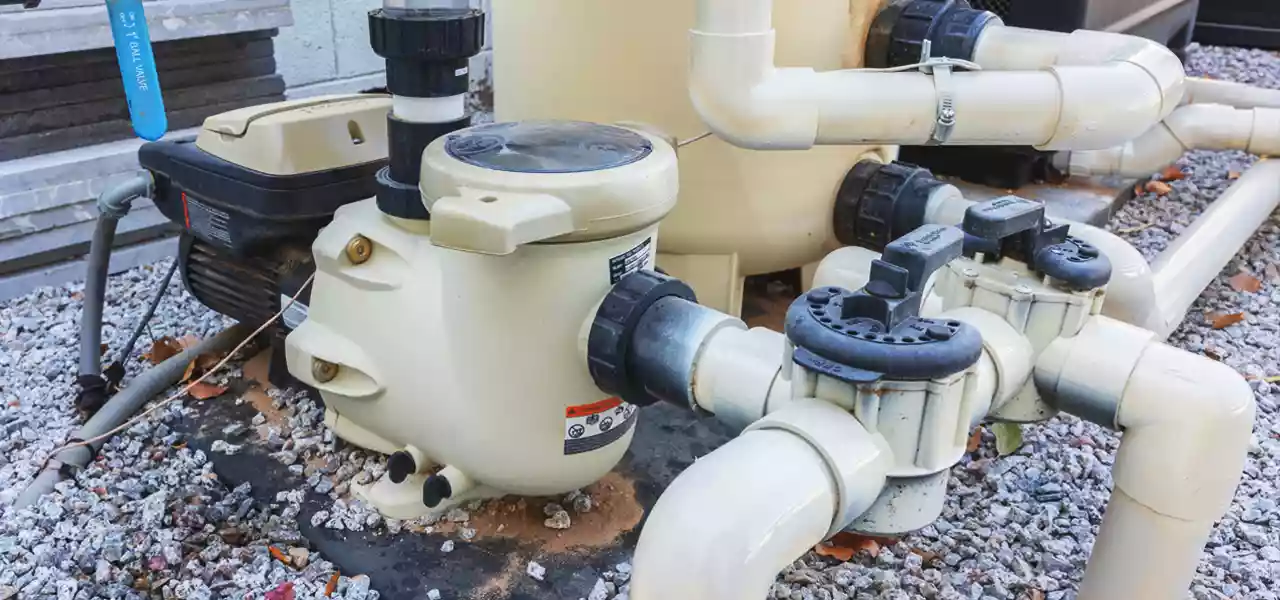
Imagine it as the speed of your personal water cleaning crew. A speedy crew cleans up faster, and gets to go home early!
Pool Usage: Party Central or Peaceful Oasis?
Is your pool the neighborhood hotspot for epic pool parties? Or is it more of a tranquil retreat for quiet relaxation?
Higher usage means more debris, sunscreen, and general "pool gunk" that needs to be filtered out. A party pool might need a longer run time, while a lightly used pool can probably get away with less.
The Season: Summer Sizzler vs. Winter Snoozer
Summer's heat and increased pool usage usually demand longer run times. During the off-season, when the pool is less active, you can significantly reduce the pump's workload.
It's like comparing your wardrobe: you need more summer clothes than winter clothes (unless you live in Antarctica!).
The Type of Pump: Single-Speed vs. Multi-Speed
Single-speed pumps are like that friend who only knows how to do one thing: full blast! Multi-speed pumps, on the other hand, are more versatile.
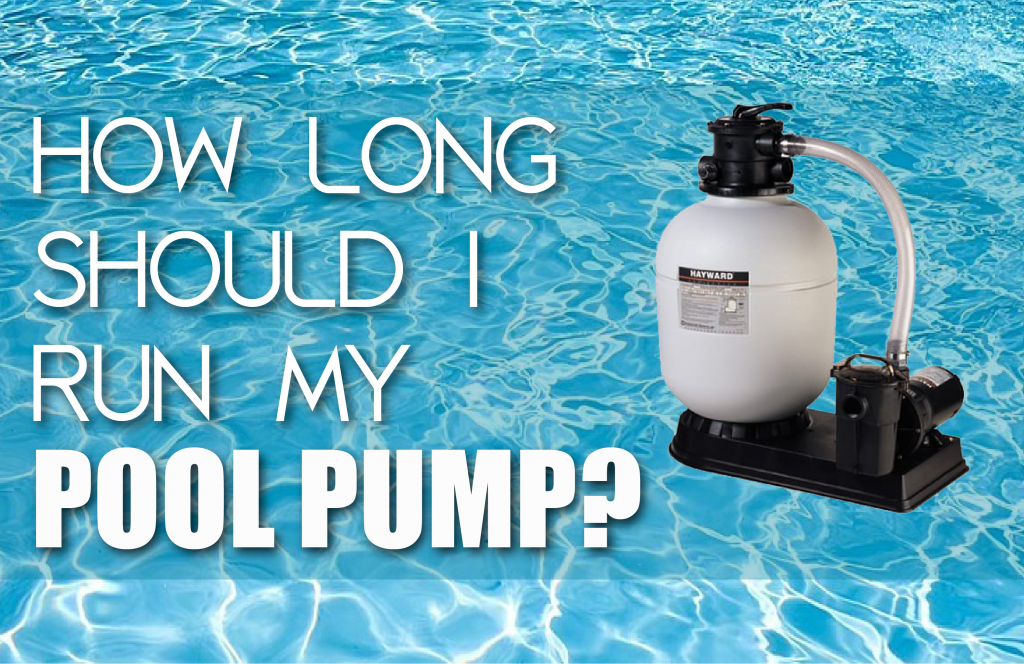
Multi-speed pumps let you run at lower speeds for longer periods, which can save energy and money. It is like driving in the city compared to on the highway.
Figuring Out Your Magic Number: The Turnover Rate
Now, let's talk about the turnover rate. This is a fancy term for how long it takes your pump to circulate the entire volume of water in your pool through the filter once.
Most experts recommend a turnover rate of at least once per day. Aim for one turnover a day. Your goal is to get that water sparkling clean.
Calculating Your Ideal Run Time: Math Time (Don't Panic!)
Alright, time for a little bit of math. But don't worry, it's not calculus! We'll break it down step-by-step.
- Determine your pool's volume: This information might be in your pool's documentation, or you can use online calculators to estimate it.
- Find your pump's flow rate: This is usually measured in gallons per minute (GPM) and should be on the pump's label.
- Calculate the turnover time: Divide your pool's volume by the pump's flow rate (in gallons per hour) to get the turnover time in hours.
For example, let's say you have a 20,000-gallon pool and a pump with a flow rate of 50 GPM. That means the pump moves 3,000 gallons per hour. Dividing 20,000 by 3,000 gives you approximately 6.67 hours.

So, in this example, you'd need to run your pump for about 6.67 hours to achieve one turnover. Round it up to 7 hours for good measure!
Fine-Tuning Your Schedule: Observation is Key
Now that you have a starting point, it's time to become a pool-watching detective! Pay attention to your pool's clarity. See if the water remains clean and clear with your calculated run time.
If you notice cloudiness, algae growth, or excessive debris, you might need to increase the run time. It’s like if you only brushed your teeth for 30 seconds and then wondered why you had bad breath.
The Beauty of Variable Speed Pumps: Save Money and Sanity!
If you're serious about optimizing your pool pump schedule (and saving some money on your electricity bill), consider investing in a variable speed pump. These pumps allow you to run at lower speeds for longer periods.
This can significantly reduce energy consumption and noise levels, making them a win-win for both your wallet and your sanity. Imagine a world where your pool pump whispers instead of roars!
Beyond Run Time: Other Important Maintenance
Remember, run time is just one piece of the puzzle. Regular filter cleaning, proper chemical balance, and consistent skimming are also crucial for maintaining a healthy and sparkling pool.
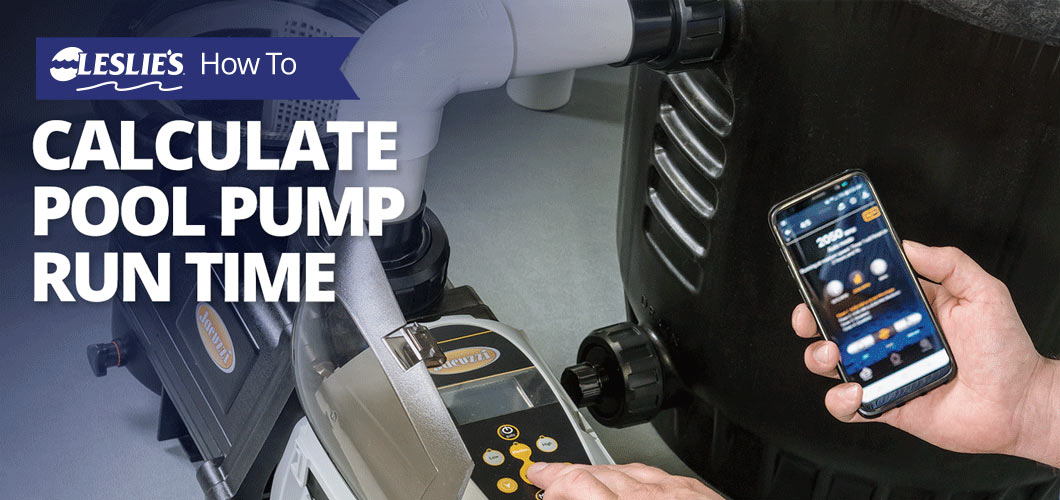
Think of it like taking care of a car: you can't just fill it with gas and expect it to run forever. You need to change the oil, rotate the tires, and keep it clean!
Common Mistakes to Avoid
Let’s cover some common pitfalls pool owners fall into.
Underestimating run time can lead to cloudy water and algae blooms. Overestimating run time wastes energy and money. Neglecting filter maintenance reduces pump efficiency.
The Ultimate Goal: A Happy Pool and a Happy You!
Finding the right pool pump run time is a bit of a Goldilocks situation: not too little, not too much, but just right! And if you're feeling overwhelmed, don't hesitate to consult with a pool professional. They can provide personalized advice based on your specific pool and circumstances.
Your pool pump is essential for keeping your pool water crystal clear and safe for swimming. Understanding how long to run your pool pump is important for maximizing its efficiency and keeping your pool water sparkling clean.
With a little knowledge and some careful observation, you can achieve the perfect balance, ensuring a happy pool and a happy you!