
How Long Does A Portable Charger Take To Charge
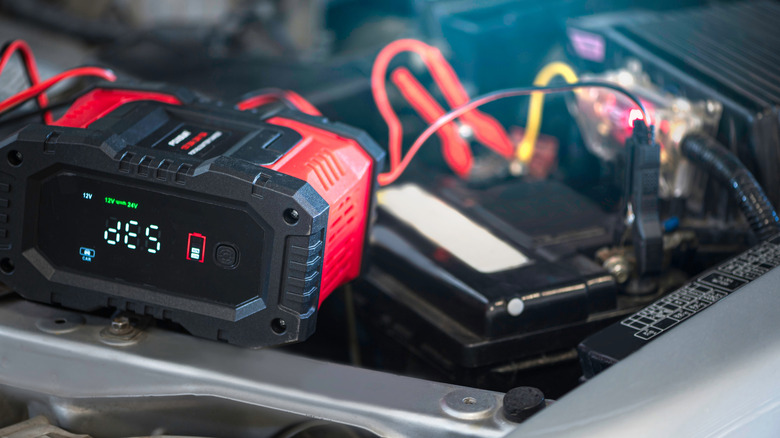
So, you've got yourself a trusty portable charger, a pocket-sized powerhouse ready to rescue your phone from the dreaded 1% battery doom. Awesome! But now you're staring at this little brick, wondering, "Okay, how long do I have to wait before it's ready to save the day?"
The Great Portable Charger Charging Time Mystery
Well, my friend, that's the million-dollar question! There's no single, definitive answer, unfortunately. It's like asking how long it takes to bake a cake – depends on the cake, the oven, and whether you accidentally set the timer for three hours instead of thirty minutes (we've all been there, right?).
The Capacity Conundrum: mAh Matters!
First things first, let's talk about capacity, measured in mAh (milliampere-hours). Think of mAh like the size of your charger's gas tank. A bigger tank (higher mAh) means it can hold more power and charge your devices more times, but it also takes longer to fill up!
Must Read
A tiny 3000mAh charger might be full in a couple of hours, which is fantastic for topping off your phone once. A massive 20000mAh beast, capable of reviving a whole family's worth of devices on a camping trip? Buckle up; that could take the better part of a day to fully charge.
Imagine it like filling a kiddie pool versus filling an Olympic-sized swimming pool – one takes a leisurely afternoon, the other requires serious dedication (and probably a bigger hose!).
The Input Inferno: Amps to the Rescue!
Next up, we've got the input amperage (A) – the speed at which electricity flows into your portable charger. This is like the width of the hose filling your pool, and is just as, if not more important than the mAh.
A higher input amperage means your charger sucks up power faster. Think of it as upgrading from a garden hose to a fire hose – much quicker fill time!
A charger with a 1A input will charge much slower than one with a 2A or even a 3A input. Check the specs on your charger (usually printed somewhere on the device itself) to find the input amperage.
Beware of underpowered charging blocks! Plugging your portable charger into your computer's USB port might seem convenient, but those ports often provide a measly 0.5A. It's like trying to fill that Olympic swimming pool with a drinking straw – good luck with that!

The Cable Caper: A Wire's Worth
Don't underestimate the importance of your charging cable! A cheap, flimsy cable can bottleneck the charging process. It's like having a fancy, high-powered hose, but then crimping it halfway through – all that potential wasted!
Use the cable that came with your portable charger, or a high-quality cable specifically designed for fast charging. A good cable ensures that the power flows smoothly and efficiently.
Sometimes, even a seemingly identical cable can perform differently. Experiment a little to see which cable gives you the fastest charging times.
The Wall Wart Wizardry: Choosing the Right Adapter
Your wall adapter, that little plug-in brick, is another crucial piece of the puzzle. Just like the input amperage of your portable charger, your adapter has an output amperage.
Make sure your adapter's output amperage matches or exceeds the input amperage of your portable charger. If your charger can handle 2A, use a 2A or higher adapter.
Using a lower amperage adapter will work, but it will significantly increase charging time. It's like trying to water your lawn with a spray bottle – technically possible, but incredibly tedious.
Consider investing in a high-quality USB wall adapter with multiple ports and fast charging capabilities. These adapters can intelligently deliver the optimal amount of power to each connected device, saving you time and hassle.
The Temperature Tango: Keeping Cool Under Pressure
Extreme temperatures can affect charging times. Charging your portable charger in direct sunlight or in a freezing cold car can slow things down.
Ideally, charge your portable charger in a cool, dry place. This helps maintain optimal performance and prevents overheating.
Think of it like running a marathon – you perform best in comfortable conditions, not in the scorching desert or the arctic tundra!
The Wildcard Factor: Internal Resistance
Over time, the internal resistance of your portable charger's battery can increase, which means it takes longer to charge and discharge. This is just a natural part of the aging process for lithium-ion batteries.
There's not much you can do about internal resistance, but proper care and storage can help prolong the lifespan of your portable charger. Avoid fully discharging it and store it in a cool, dry place when not in use.
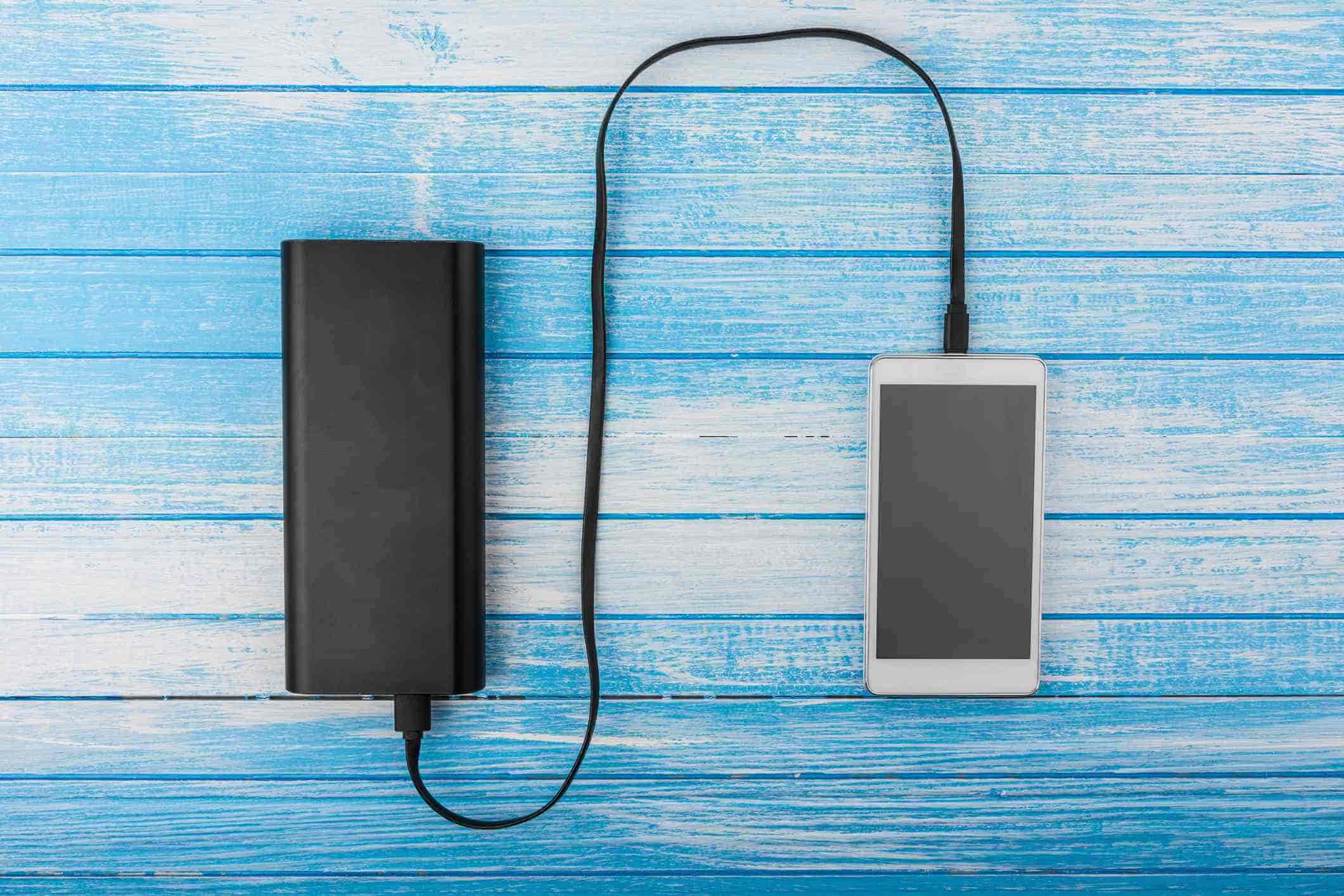
It is like a car – the older it gets, the harder it is to keep it going.
The Guestimation Game: A Few Rules of Thumb
Alright, so now that we've covered all the variables, let's try to give you some rough estimates. Remember, these are just ballpark figures, and your actual charging time may vary.
A 5000mAh charger with a 1A input, with a 1A wall adapter, might take around 5-6 hours to fully charge. It's the slow and steady wins the race approach. You can just let it sit overnight and it will be done by the morning!
A 10000mAh charger with a 2A input, using a 2A wall adapter, might take around 5-7 hours. This is your slightly quicker, mid-range charging time. Great for a day at the park!
A 20000mAh charger with a 2A input and a 2A wall adapter can take anywhere from 10-14 hours. This beast will require more of a commitment. Start charging as soon as you get home from work!
The Ultimate Test: Observe and Adapt
The best way to know how long your portable charger takes to charge is to actually test it! Time how long it takes to fully charge from empty using different adapters and cables.
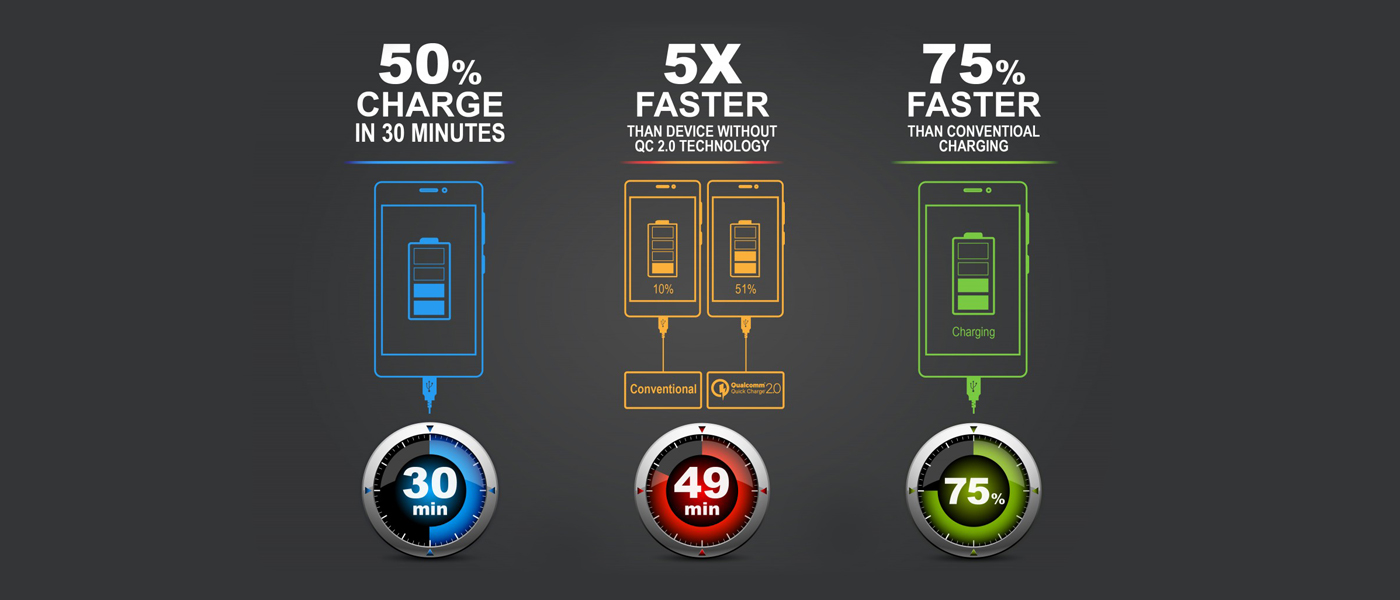
Keep a little notebook (or a note on your phone) to record your findings. This will give you a personalized charging guide for your specific setup.
It's like becoming a portable charger whisperer – you'll know exactly what it needs to stay happy and powered up!
The Power of Patience: Plan Ahead!
The most important tip of all: plan ahead! Don't wait until your portable charger is completely dead before plugging it in.
Top it off whenever you have a chance, especially before a long trip or a day out and about. A little planning can save you from the dreaded low-battery anxiety.
It's like packing a lunch – you're much happier when you're prepared and not caught off guard by hunger!
So, there you have it – the not-so-secret secrets of portable charger charging times! Remember to consider capacity, input amperage, cables, adapters, temperature, and a healthy dose of patience. Happy charging, and may your devices always be powered up!