How Long Does A Deep Freezer Take To Freeze
Let's talk about deep freezers! Why? Because knowing how to use one properly is like having a superpower when it comes to saving money, reducing food waste, and generally being a kitchen wizard. It’s all about maximizing that frozen goodness, and understanding the freezing process is key. We're diving into the question: how long does it really take for a deep freezer to freeze things properly?
First, let's understand the purpose of a deep freezer. Unlike your regular fridge freezer, a deep freezer is designed for long-term food storage. It operates at much colder temperatures, typically around 0°F (-18°C) or lower. This ultra-cold environment effectively halts the activity of microorganisms that cause spoilage, extending the shelf life of your food considerably.
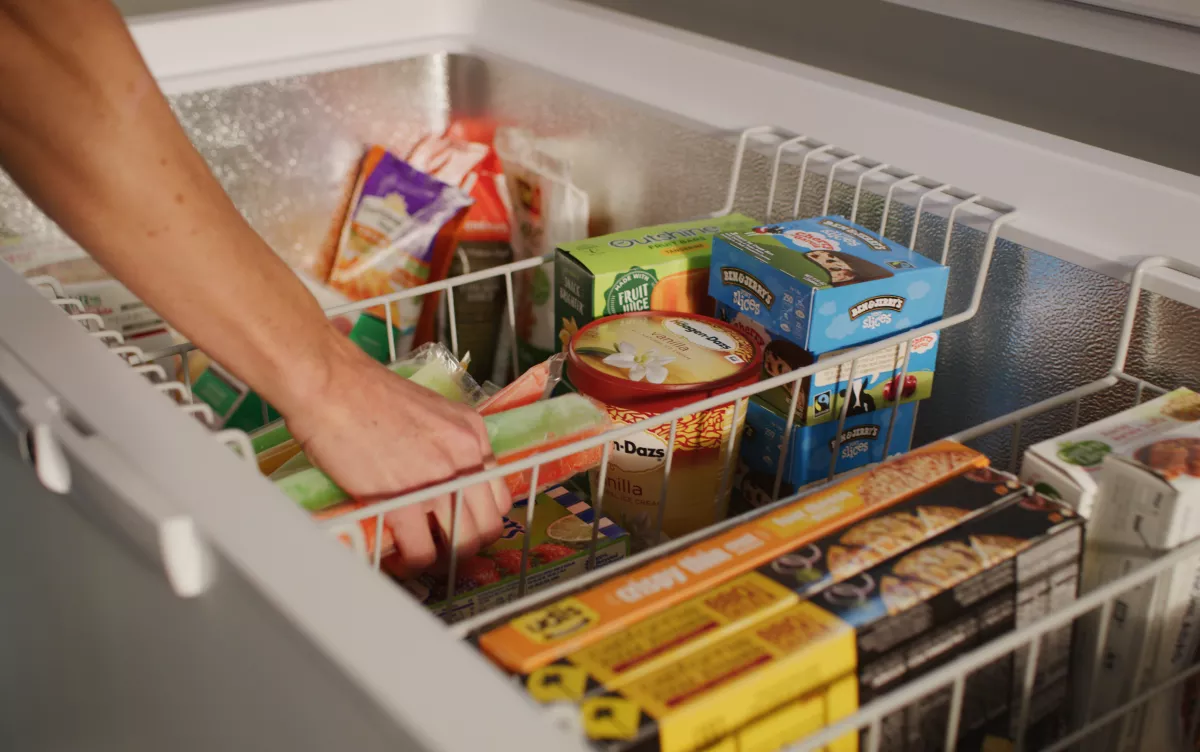
The benefits are clear: you can buy in bulk when prices are low, preserve seasonal produce at its peak ripeness, and avoid last-minute grocery runs. Imagine stocking up on those summer berries and enjoying them in the middle of winter! Or prepping a huge batch of chili on a weekend and freezing individual portions for quick weeknight dinners. A deep freezer makes all of this possible.
Must Read
Now, onto the freezing timeline. There's no single answer, as several factors influence how quickly your deep freezer can work its magic. Generally speaking, it takes around 24 hours for an empty deep freezer to reach its optimal freezing temperature. However, once you start loading it up with food, the process gets a bit more complex.
Here's what affects freezing time:
- Food Quantity: The more you put in at once, the longer it will take to freeze. Overloading the freezer warms it up significantly, potentially thawing existing frozen items and slowing down the freezing process for everything else. The rule of thumb is to not add more than 2-3 pounds of unfrozen food per cubic foot of freezer space at a time.
- Food Temperature: Obviously, food that starts colder will freeze faster. Allowing food to cool down in the refrigerator before transferring it to the deep freezer will significantly cut down on freezing time and reduce the burden on your freezer's compressor.
- Packaging: Proper packaging is crucial. Use airtight containers or freezer bags designed for long-term storage. Remove as much air as possible to prevent freezer burn. Flat, thin packages freeze faster than bulky ones. Think flattened bags of soup versus round containers.
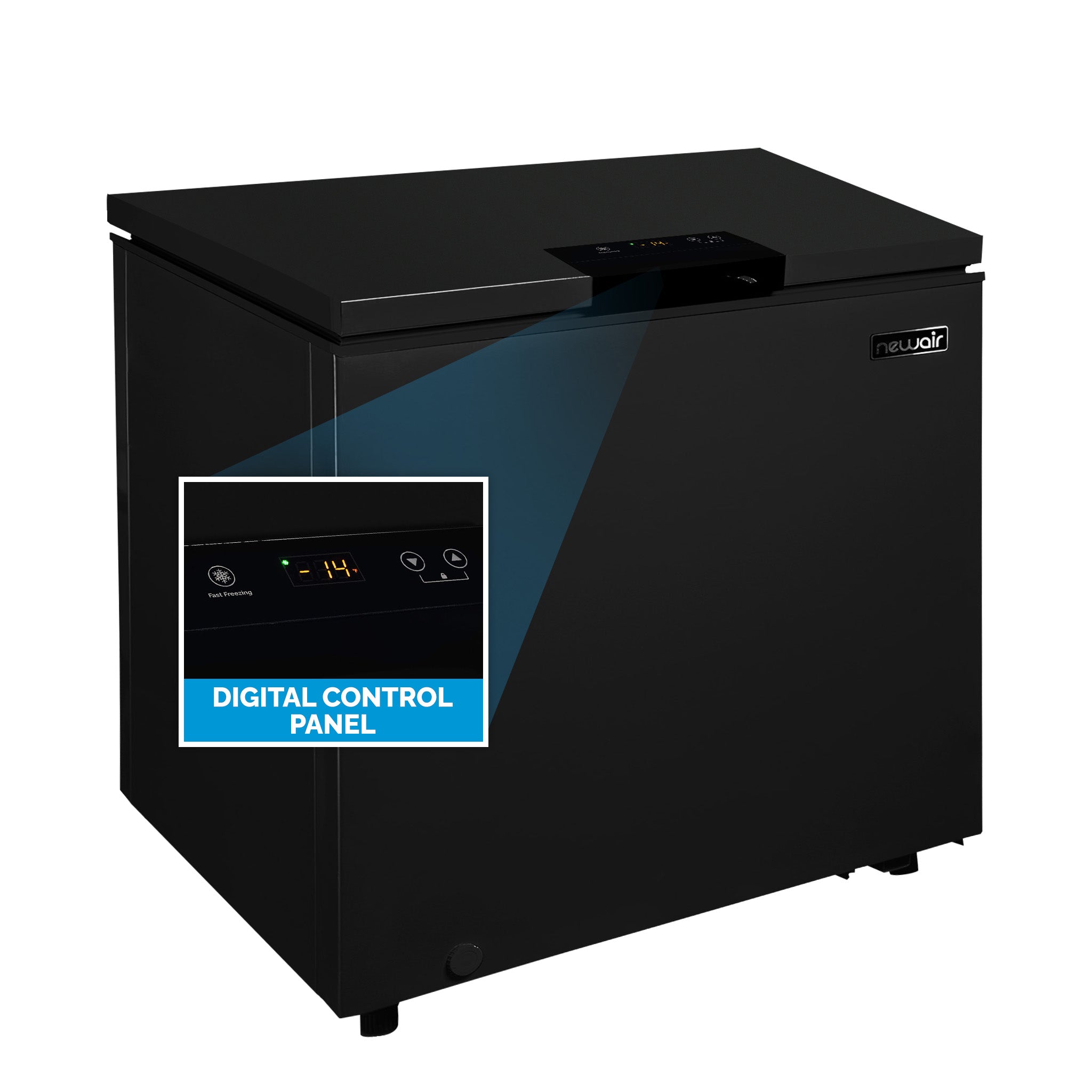
- Freezer Type: Chest freezers generally maintain colder temperatures more efficiently than upright freezers because less cold air escapes when the door is opened. This can slightly affect the freezing time.
So, how do you know when your food is properly frozen? Aim for your food to be completely frozen solid within 24 hours of placing it in the deep freezer. If it's taking longer, consider reducing the amount of food you're adding at once, checking your freezer seals, and ensuring the temperature setting is correct.
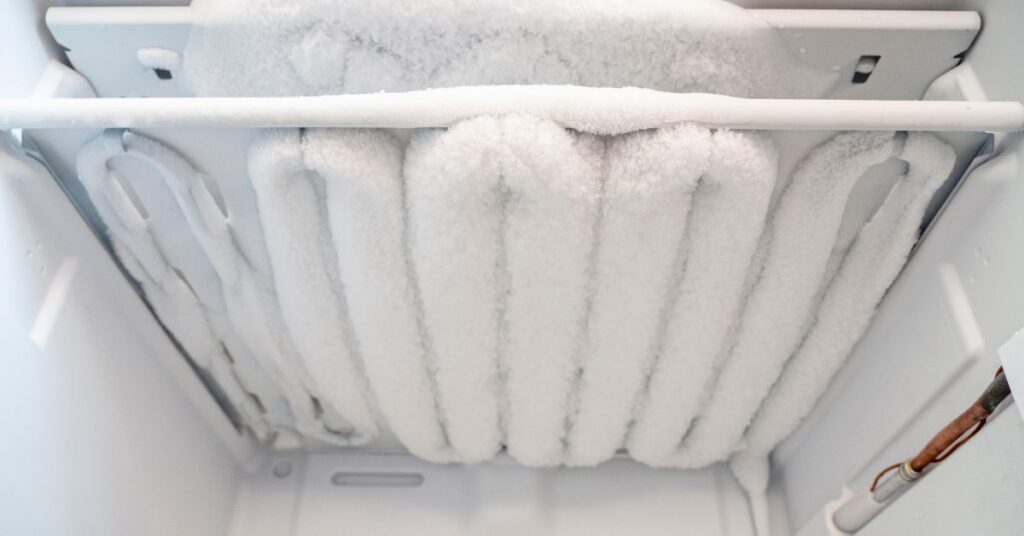
A pro-tip: Utilize the "quick freeze" or "super freeze" function if your freezer has one. This temporarily lowers the temperature to accelerate the freezing process, especially helpful when adding larger quantities of food.
With a little planning and understanding of these factors, you can master the art of deep freezing and unlock the full potential of your freezer. Happy freezing!