
How Long Do Wall Ac Units Last

Ah, summer. The sun's shining, the birds are singing, and the only thing standing between you and a puddle of your own making is that wonderfully unassuming box humming softly on your wall. Yes, we're talking about your trusty wall AC unit. It’s a silent guardian against the sweltering heat, a beacon of cool comfort in our increasingly warm world. But have you ever paused to wonder: just how long does this modern marvel actually stick around?
It's a fair question, especially when you consider how much we rely on them. Much like that trusty pair of sneakers or your favorite coffee maker, AC units don't last forever. But with a little TLC, they can certainly go the distance, keeping your personal oasis perfectly chilled for years to come.
The Big Question: How Long Do They Really Last?
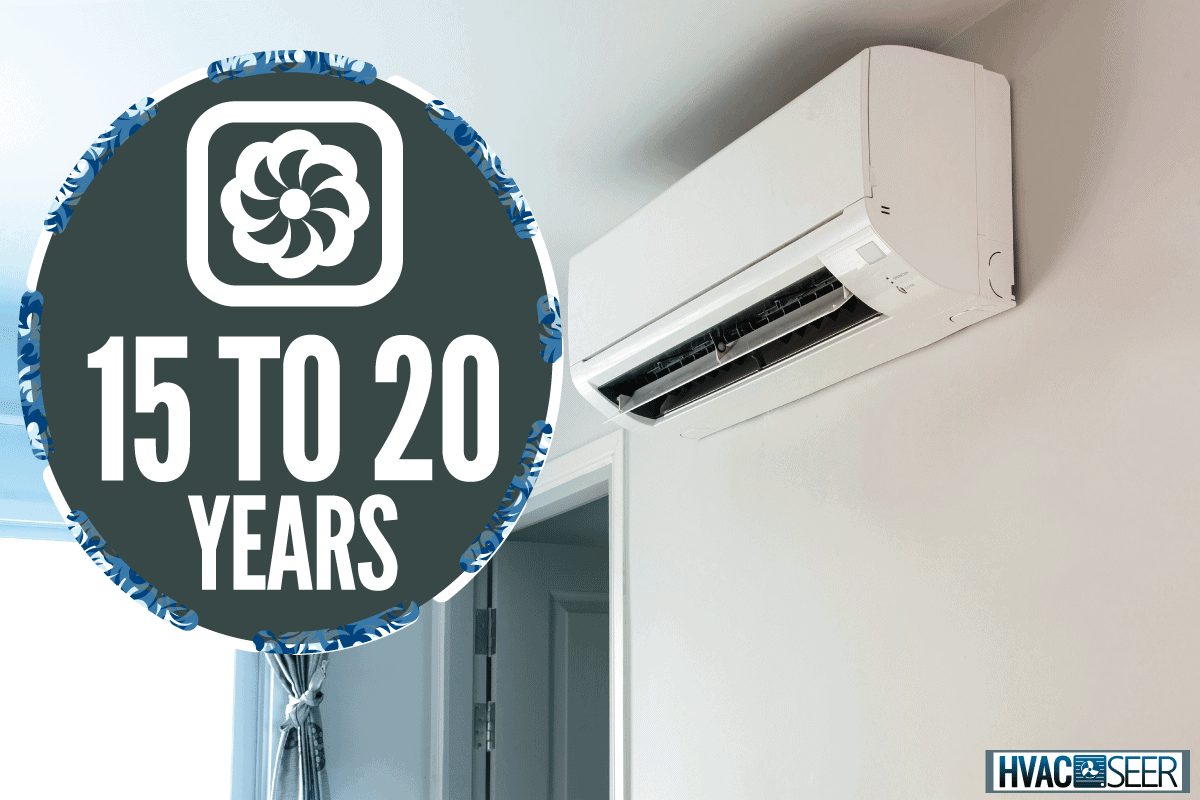
Let's cut to the chase. Generally speaking, a well-maintained wall AC unit, like a mini-split ductless system, can comfortably last anywhere from 10 to 15 years. If you've got a window AC unit, which often works a bit harder and is moved more, you're usually looking at a solid 8 to 10 years. Think of these as the average "golden years."
Must Read
However, and this is a big "however," these numbers are just averages. The actual lifespan of your unit is less about a magic number and more about a cocktail of factors that you often have control over. It's like asking how long a car lasts – depends on who's driving and how well it's looked after, right?
What Impacts Their Shelf Life? The Unsung Heroes (and Villains!)
So, what exactly contributes to your AC's longevity? It's a mix of habit, environment, and a little bit of fate:
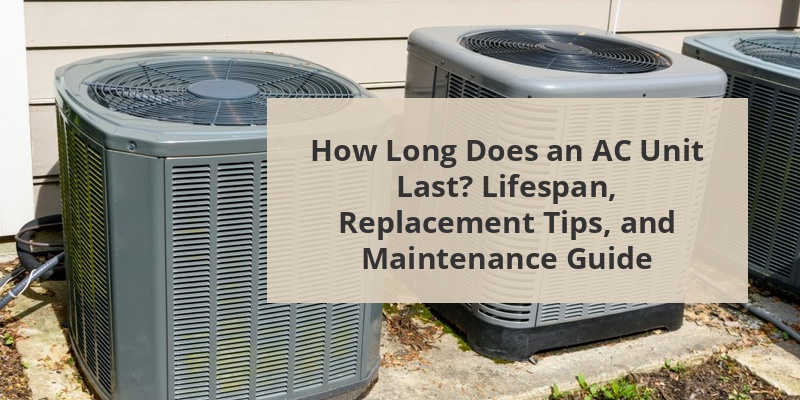
1. Usage, Usage, Usage: This one's a no-brainer. An AC unit in, say, Phoenix, Arizona, working almost year-round, will naturally log more "mileage" than one in a cooler climate like Seattle. The harder and more frequently your unit runs, the faster its components will wear down.
2. Maintenance is King (or Queen!): This is arguably the single most important factor. Regular check-ups, clean filters, and clear coils make an enormous difference. Ignoring maintenance is like never changing the oil in your car – eventually, something's going to seize up.

3. Quality of Installation: A properly installed unit starts its life on the right foot. Incorrect sizing, poor sealing, or improper electrical connections can stress the system from day one, leading to premature failure. This is why it’s always best to leave it to the pros.
4. Brand and Build Quality: Let's be honest, some brands are just built tougher than others. Investing a little more upfront in a reputable brand often pays off in the long run with greater durability and more reliable performance.

5. Environmental Factors: Dust, pet dander, pollen, and even salty air (if you live near the coast) can take their toll. These elements can clog filters and corrode components, forcing your unit to work harder.
Making Yours Go the Distance: Practical Tips for a Longer Life
Want to squeeze every last drop of cool air out of your unit? Here are some simple, yet effective, strategies:
- Filter Fun: Change or clean your air filter monthly, especially during peak cooling season. A clean filter isn't just good for your AC; it's good for your indoor air quality too!
- Coil Care: Keep both the indoor (evaporator) and outdoor (condenser) coils clean. Dirt and debris act as insulation, making your unit work overtime. You can gently brush off the outdoor unit and consider a professional cleaning for the indoor coils.
- Clear the Vents: Ensure nothing is blocking the airflow to or from your unit. Furniture, curtains, or even overgrown landscaping around outdoor units can hinder efficiency and shorten lifespan.
- Smart Thermostat Use: Don't blast the AC to arctic levels when you leave for work. Use a programmable or smart thermostat to set reasonable temperatures, reducing strain and saving energy. A fun fact: setting your thermostat just 7-10 degrees higher for 8 hours a day can save you up to 10% on your cooling costs!
- Professional Tune-Ups: Schedule an annual check-up with a qualified HVAC technician. They can spot small problems before they become big, expensive ones, ensuring your unit is running optimally and efficiently. Think of it as a preventative health check for your home's lungs.
When It's Time to Say Goodbye (and Hello to New Tech!)
Even with the best care, all good things eventually come to an end. How do you know when it's time to consider a replacement?
- Frequent Breakdowns: If you're calling for repairs every other month, it's a clear sign.
- Rising Energy Bills: An old, inefficient unit can be a real energy hog, costing you more in the long run than a new, efficient model. Modern AC units are significantly more energy-efficient than those even 10 years old.
- Weak or Inconsistent Cooling: If your home just isn't getting as cool as it used to, or some rooms are hot while others are cold.
- Strange Noises or Odors: Clunking, grinding, or musty smells are often cries for help from an aging unit.
Replacing an old unit isn't just about fixing a problem; it's an opportunity to embrace new technology. Today's AC units are quieter, more energy-efficient (look for high SEER ratings!), and often come with smart features that allow you to control them from your phone. It's a step towards a more comfortable and sustainable home.
A Little Reflection on Our Cool Companions
Our wall AC units are more than just appliances; they're essential contributors to our comfort, our productivity, and our overall quality of life, especially during those scorching months. They help us sleep better, work smarter, and relax more deeply. Investing a little time and effort into their care isn't just about saving money on repairs or energy bills; it's about investing in the peaceful, cool sanctuary we call home. So, give a little nod to your wall AC today – it’s doing more for you than you might realize!