
How Long Do Trial Contact Lenses Last

So, you're thinking about ditching the glasses and diving headfirst into the world of contact lenses? Excellent choice! Welcome to the club – it’s a blurry world no more!
But before you start picturing yourself in those cool shades, sans spectacles, let's talk about something important: trial contact lenses. How long do these little wonders last? It's not quite as simple as checking the expiration date on your milk carton.
The Trial Period: A Sneak Peek into Clarity
Think of trial contacts like test-driving a new car. You wouldn't buy a car without taking it for a spin, right? Similarly, trial lenses let you experience the comfort and vision correction of contacts before committing to a whole box.
Must Read
Typically, your eye doctor will give you a pair (or sometimes a few pairs) of trial lenses to wear for a week or two. This gives you a chance to see how your eyes adapt and whether the prescription is just right.
Daily Disposables vs. Extended Wear: The Two Main Contenders
The lifespan of your trial lenses largely depends on the type you’re given. There are primarily two types: daily disposables and extended wear (which are often monthly lenses).
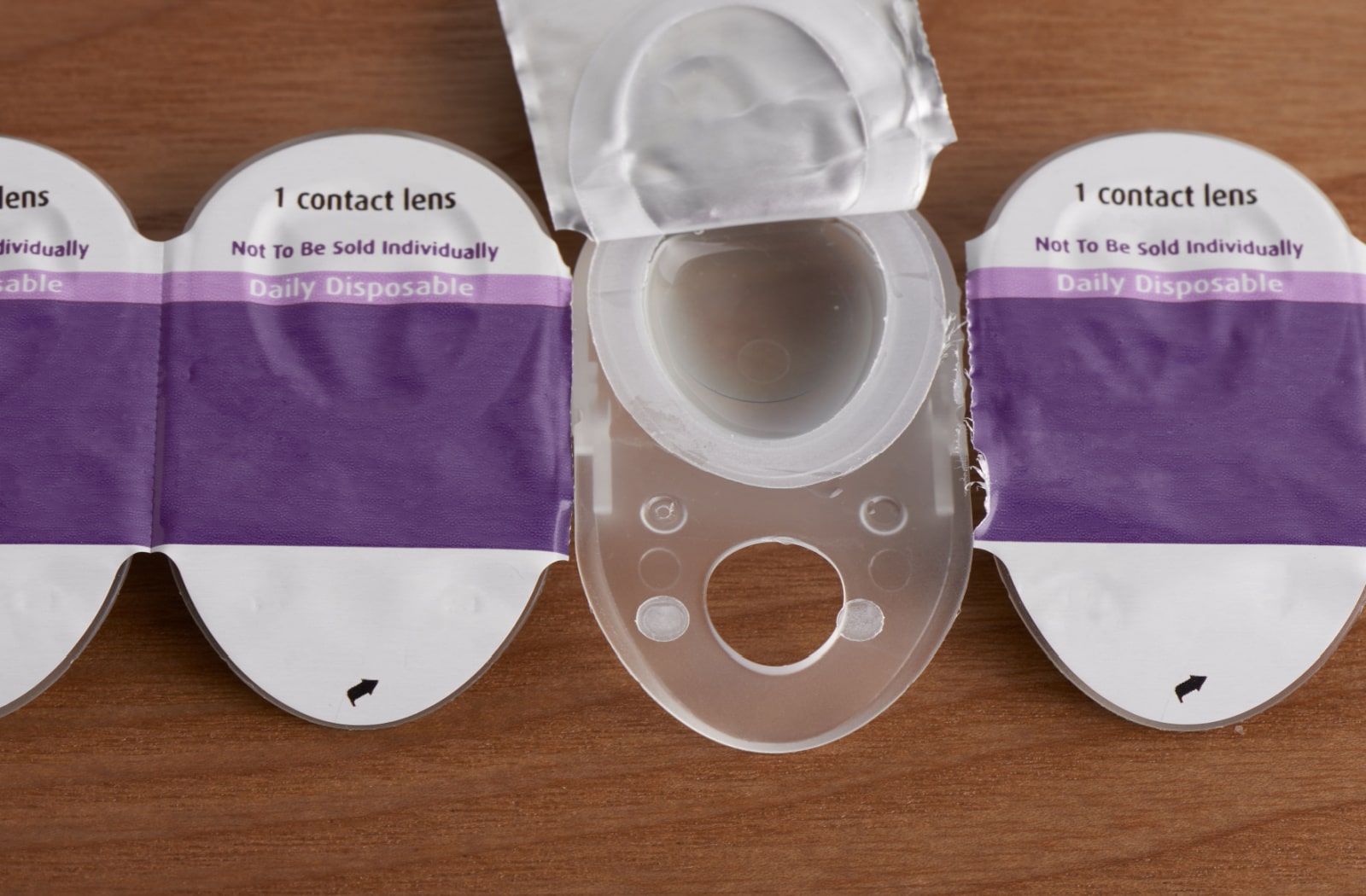
Daily disposables are the rockstars of the contact lens world. They're designed for one-time use. That means you pop them in in the morning and toss them out before bed. No cleaning, no fuss, just pure, fresh lenses every day! Using them longer than one day is like wearing the same socks for a week – just don’t do it.

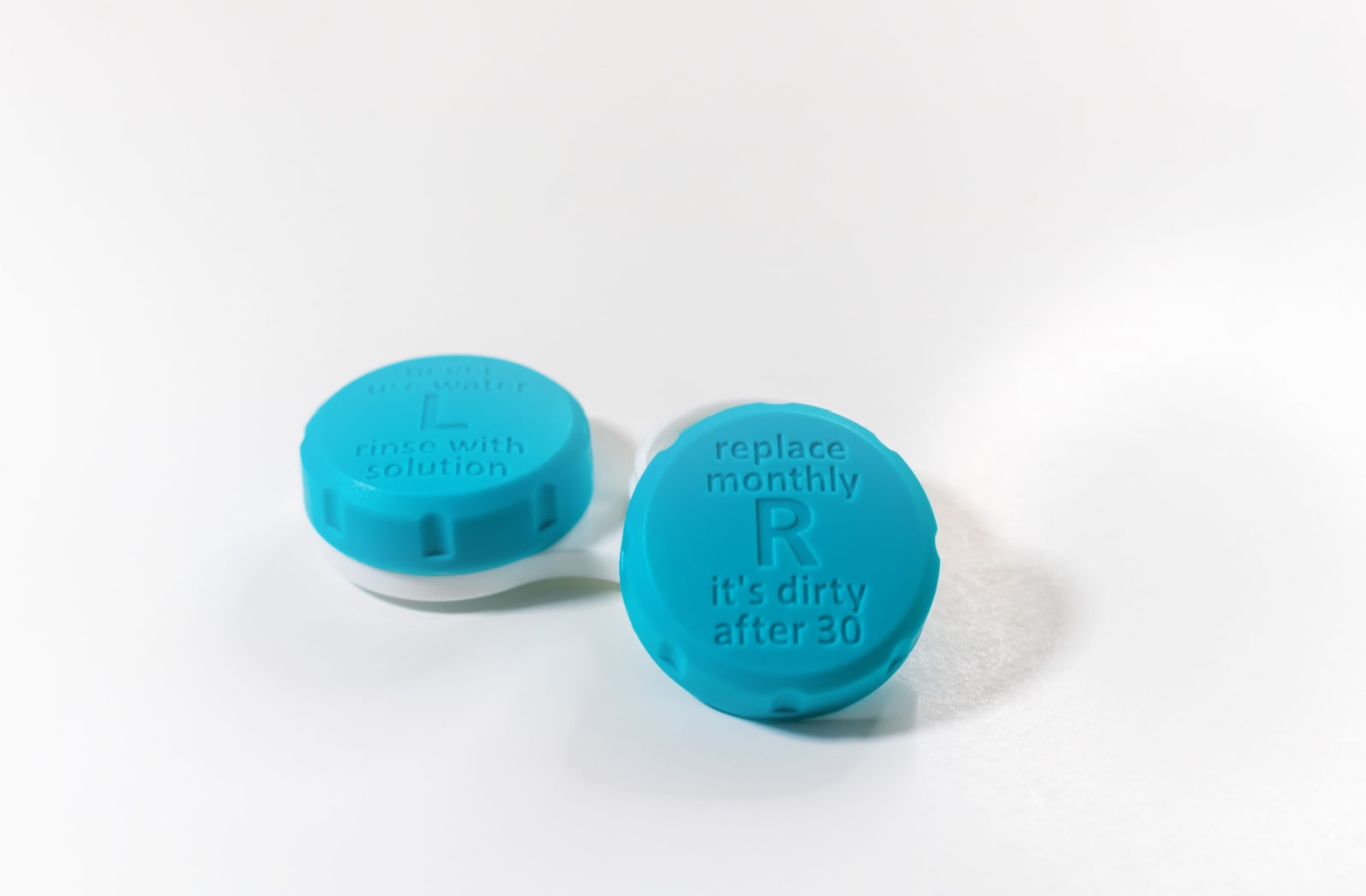
Extended wear lenses, on the other hand, are meant to be worn for a longer period, typically two weeks or a month, depending on the brand and your doctor's recommendation. These lenses require regular cleaning and disinfecting. Think of them as your more committed relationship with contact lenses.
The "How Long Can I REALLY Wear Them?" Question
Okay, let's get down to the nitty-gritty. How long can you really wear those trial lenses?
For daily disposables, the answer is simple: one day. Seriously. Don't even think about stretching it. Your eyes will thank you.
With extended wear trial lenses, it's crucial to follow your eye doctor's instructions. They'll tell you exactly how long you can wear them, based on your individual needs and the specific lenses they've prescribed. Never exceed the recommended wearing time. It's like ignoring the speed limit – you might get away with it once or twice, but eventually, you'll pay the price (in this case, with irritated or infected eyes).
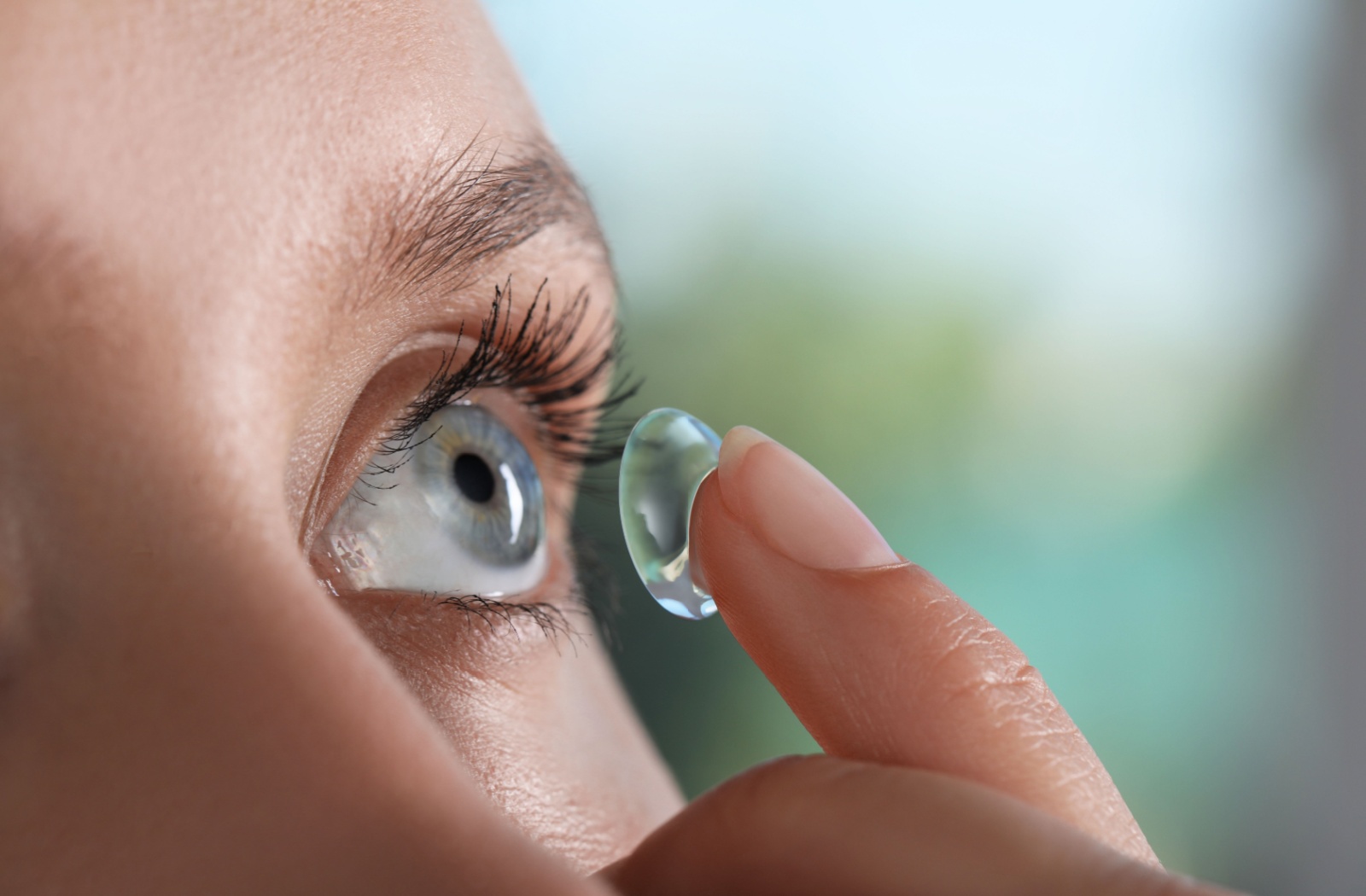
It's also essential to remember that everyone's eyes are different. What works for your friend might not work for you. Listen to your body and if your eyes feel irritated, dry, or uncomfortable, remove the lenses and consult your eye doctor.
The Cleaning Conundrum: Maintaining Your Lenses (If They Aren't Dailies)
If you’re trialing extended wear lenses, cleaning is key. Think of it like brushing your teeth, but for your eyes! Proper cleaning removes protein deposits, debris, and bacteria that can build up on the lens surface and lead to infections.
Use only the lens cleaning solution recommended by your eye doctor. Don't even think about using tap water or saliva. Trust me; your eyes will not appreciate it.
Rub and rinse your lenses thoroughly according to the instructions on the cleaning solution. This helps to dislodge stubborn deposits and ensure proper disinfection.
Beyond the Timeline: Important Considerations
Wearing trial contact lenses isn't just about sticking to a timeline. It's also about paying attention to your eye health and hygiene. Here are a few crucial things to keep in mind:
- Wash your hands thoroughly before handling your lenses. This is the most important step in preventing infections. Imagine all the things you touch throughout the day. Do you really want to transfer all that gunk to your eyes?
- Never sleep in your contact lenses unless your eye doctor specifically approves it. Sleeping in contacts significantly increases the risk of infection. It’s like inviting tiny little bacteria to a slumber party on your eyeballs.
- Remove your lenses immediately if you experience any pain, redness, blurred vision, or excessive tearing. Don't try to tough it out. Your eyes are telling you something, so listen!
- Attend all follow-up appointments with your eye doctor. They'll check your eyes to make sure the lenses are fitting properly and that you're not experiencing any complications.
The "Lost Lens" Scenario: What to Do When Things Go Wrong
Let's face it, accidents happen. Sometimes, a contact lens might tear or get lost. What do you do in this situation?
First, don't panic. Take a deep breath and assess the situation. If your lens is torn, discard it immediately. Do not attempt to wear a torn lens.
If you lose a lens, contact your eye doctor. They may be able to provide you with a replacement or advise you on the next steps. Don't try to wear a lens that's been lost for an extended period, as it may be contaminated.
The Bottom Line: Listen to Your Doctor and Your Eyes
In conclusion, the lifespan of trial contact lenses depends on the type you’re given – daily disposables are one-time use only, while extended wear lenses have a longer duration, as determined by your eye doctor.
The most important thing is to follow your eye doctor's instructions carefully and to listen to your eyes. They're your windows to the world, so treat them with respect!
Wearing contact lenses can be a liberating and empowering experience. But it's essential to do it safely and responsibly. By understanding how long trial lenses last and following proper hygiene practices, you can enjoy clear, comfortable vision without compromising your eye health. Remember, your eye doctor is your best resource for any questions or concerns you may have about contact lenses. They're the experts, after all!
So go forth, embrace the world of contacts, and enjoy the view! Just remember to always prioritize your eye health and safety. Your eyes will thank you for it.