
How Long Do Heats Last In Cats
Imagine this: you're cozied up on the couch, enjoying a quiet evening, when suddenly your sweet, purring feline transforms into... well, something else entirely. She starts to vocalize like she’s auditioning for an opera, rubs against everything with an almost aggressive affection, and her tail does this peculiar little dance. If you're a cat parent, you know exactly what I'm talking about: your furry friend is in heat. But here's the million-dollar question that often leaves even seasoned cat owners scratching their heads: How long do heats actually last in cats? Get ready for an answer that might surprise you, because it’s not always as straightforward as you might think!
The "Typical" Duration (and why it's not always simple)
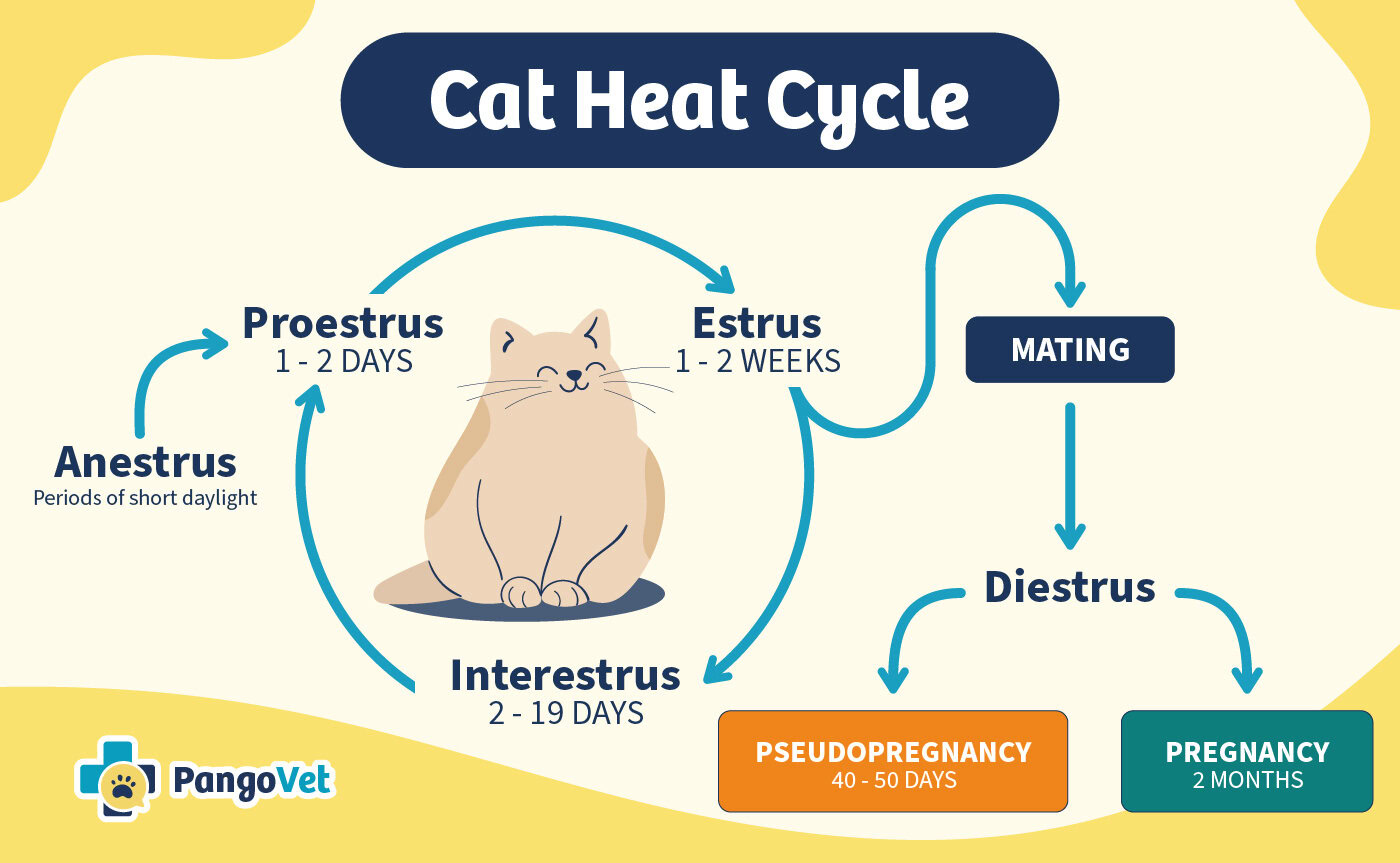
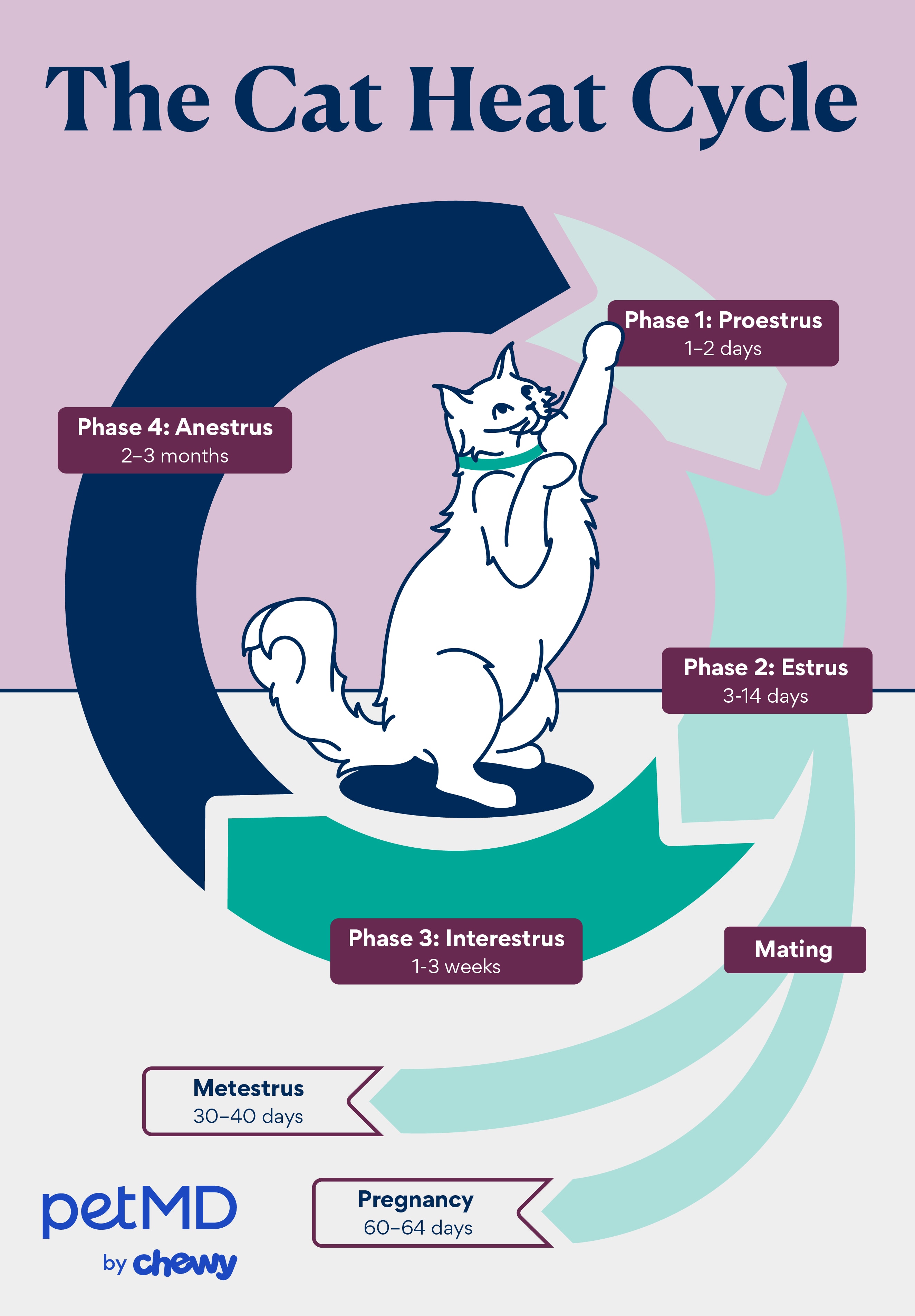
You might have heard that a cat's heat, also known as estrus, typically lasts around 7 to 10 days. And yes, that's often true for a single cycle. It's a period where your queen is fertile and quite vocal about it! During this time, she's essentially putting out an open invitation for a suitor. She'll be extra affectionate, roll around on the floor, and elevate her rear end when petted – a behavior called "flagging." For about a week or so, your home might feel less like a serene sanctuary and more like a very expressive, furry concert hall.
The "Rollercoaster" Aspect
But here's where it gets interesting, and often, a little exasperating for us humans. Unlike some other animals, if your cat doesn't get pregnant during that initial week-long invitation, her body doesn't just throw in the towel. Oh no! Instead, she might take a short break, a little breather of a week or two, and then—bam!—she'll be right back in heat again. This cyclical nature means that a cat can go in and out of heat multiple times over a period of weeks, or even months. Imagine thinking you're finally out of the woods, only for the yowling to start all over again just a few days later! It's like a furry, hormonal boomerang.
Must Read
Environmental Factors
Why this recurring performance? A big part of it has to do with light. Cats are what we call "seasonally polyestrous," which is a fancy way of saying their reproductive cycles are heavily influenced by daylight hours. When the days are longer, typically from early spring right through to late autumn, their bodies are basically in "go time." This means that during peak seasons, your little lady could be in an almost constant state of readiness, cycling in and out of heat with very brief respites. It's less about a single "event" and more about a whole "season" of potential events! For indoor cats, who are exposed to artificial light well into the evening, this season can feel practically year-round.
The Cat's Perspective and Our Understanding
From your cat's point of view, this isn't just a quirky phase; it's a deep-seated biological drive. Their entire evolutionary purpose during this time is to reproduce. That constant calling, the rolling, the relentless affection – it’s all part of an instinct that’s been honed over millennia. While it can be challenging for us to navigate, it’s important to remember that our feline friends aren’t being "naughty." They are simply responding to powerful hormonal signals. It’s a testament to the incredible resilience and determination of nature, playing out right there on your living room rug.

"A cat in heat isn't just 'looking for love'; she's answering a primal call that echoes through generations."
The "What Can You Do?" Solution
So, what's a loving cat parent to do about these potentially endless cycles of meows and floor-rolls? The best, most responsible, and ultimately kindest solution for both you and your cat is spaying. Spaying, a routine surgical procedure, removes your cat's ovaries and uterus, putting a permanent stop to these heat cycles. Not only does it bring peace and quiet back to your home, but it also provides significant health benefits for your feline friend, dramatically reducing her risk of certain cancers and uterine infections. Plus, it plays a crucial role in preventing unwanted litters, helping to control pet overpopulation.
In the wild world of feline reproduction, "how long do heats last?" isn't a simple calendar date, but often a meandering journey through weeks and sometimes months of hormonal surges. It's a surprising, sometimes humorous, and always compelling insight into the natural world of our beloved pets. But thankfully, with the option of spaying, we can ensure our queens live healthier, happier, and quieter lives, turning their passionate calls into contented purrs once more. So, next time you hear that distinctive yowl, remember the amazing biology at play, and know there's a wonderfully responsible way to help your furry diva find her calm.

:max_bytes(150000):strip_icc()/will-heat-cycle-end-after-mating-554846_V2-dfdd387c61594efab70d34e2f688b213.png)