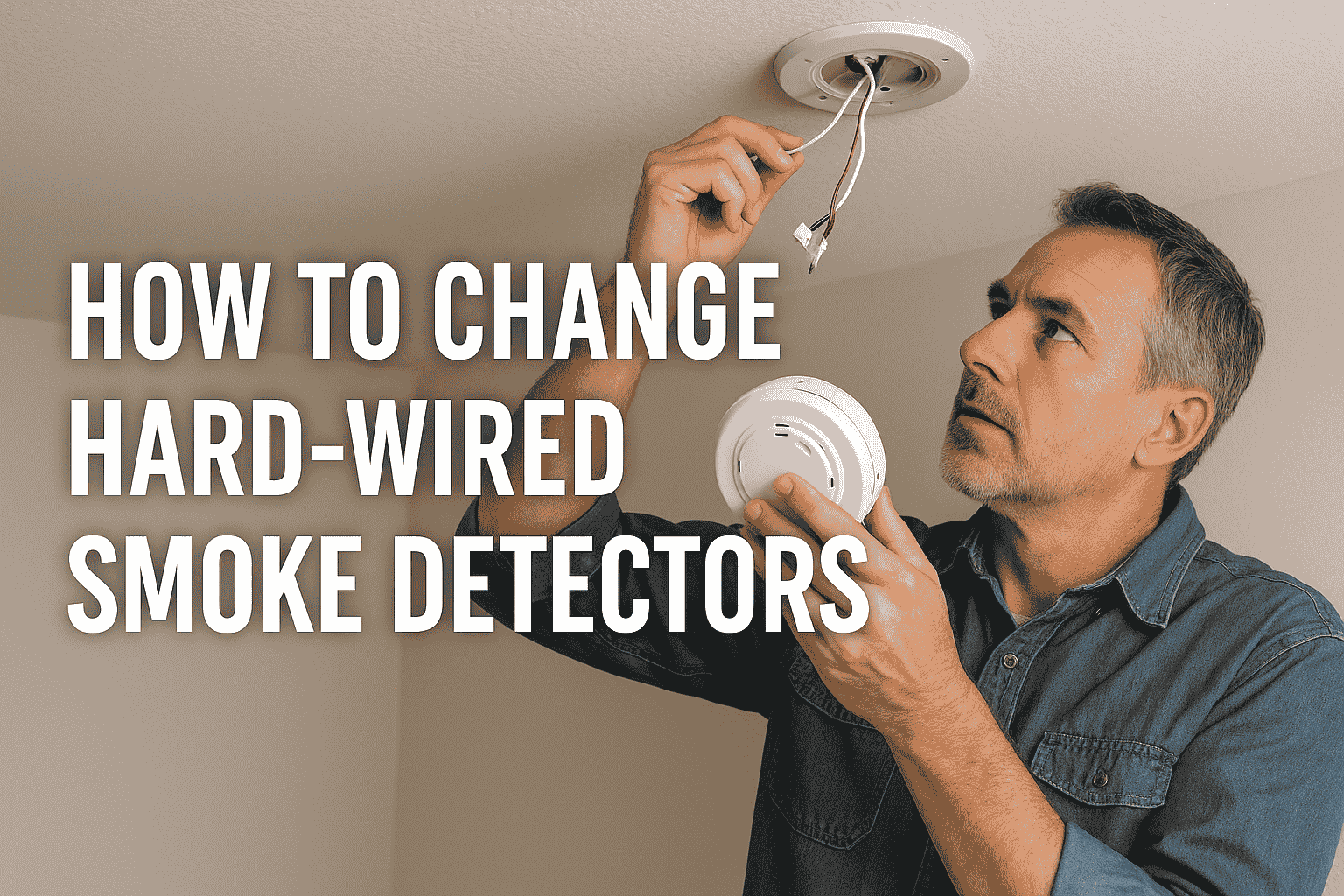
How Long Do Hardwired Smoke Detectors Last

Ever wonder about the unsung heroes lurking silently in the corners of our homes, patiently waiting to spring into action? We're talking about smoke detectors, those vital sentinels of safety that most of us probably don't think about until they chirp annoyingly, or hopefully, never at all. But here's a curious thought: how long do these vigilant guardians actually last, especially the hardwired ones that seem like permanent fixtures?
It’s a question that might not keep you up at night, but understanding the lifespan of your hardwired smoke detectors is actually pretty important – and dare we say, a little bit fascinating! Learning about them isn't just about ticking off a home maintenance box; it’s about appreciating a piece of everyday technology that plays a crucial role in safeguarding our loved ones and our cherished spaces. It's about empowering ourselves with knowledge for a safer home.
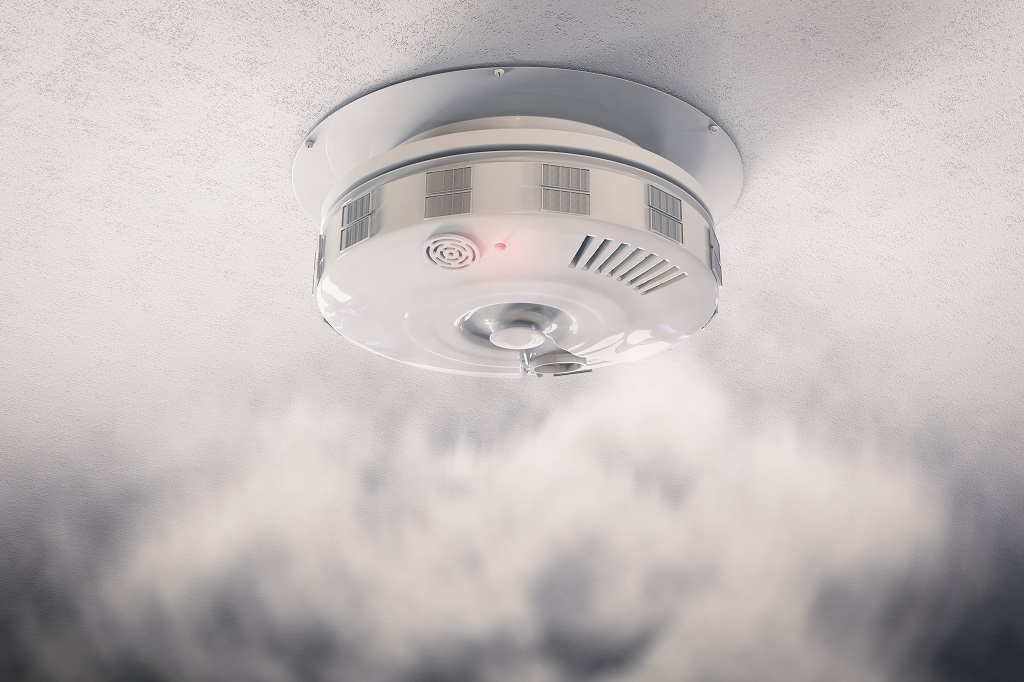
The primary purpose of any smoke detector, whether battery-powered or hardwired, is elegantly simple: to detect smoke from a fire and alert occupants with an alarm, giving them precious time to escape. Hardwired smoke detectors, however, come with a few extra layers of brilliance. They're typically connected directly to your home's electrical system, meaning they have a constant power supply. This significantly reduces the risk of a dead battery preventing them from working. Many also feature a battery backup, giving you protection even during power outages. Even better, most hardwired systems are interconnected. This means if one detector senses smoke, all the detectors in your home go off simultaneously, ensuring everyone, no matter where they are in the house, receives the warning promptly. It's a fantastic safety net, offering unparalleled peace of mind.
Must Read
In our daily lives, these detectors are silent protectors. They work in the background, a constant promise of safety. Think about the educational angle: fire safety lessons in schools often emphasize "stop, drop, and roll" and having an escape plan. But a critical first step is always the warning. Understanding your home's hardwired system teaches a deeper appreciation for proactive safety measures. It encourages a discussion about the different types of detectors (ionization for fast-flaming fires, photoelectric for slow-smoldering fires) and why a mix is often recommended. It’s about being informed, not just reactive.
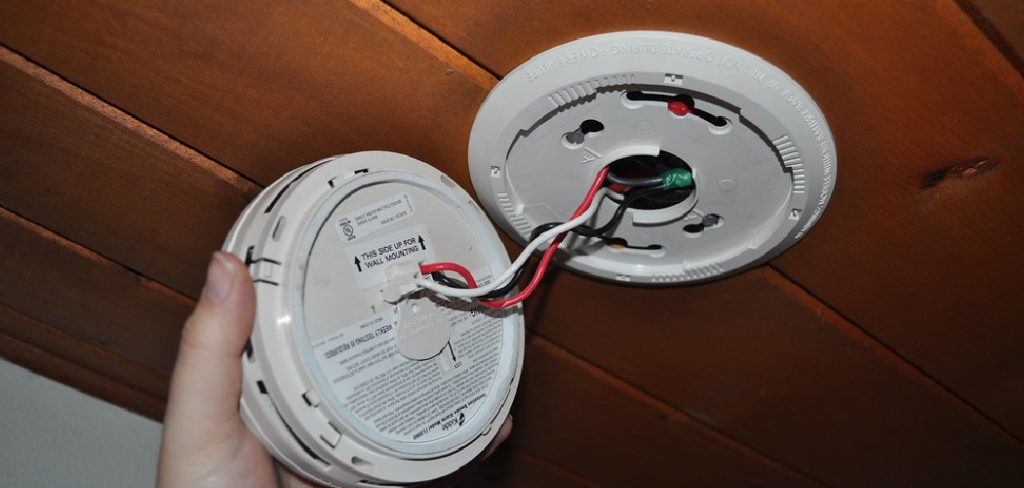
So, to the burning question: how long do hardwired smoke detectors last? The general consensus, and the recommendation from manufacturers and fire safety experts, is that all smoke detectors, regardless of whether they are hardwired or battery-only, should be replaced every 10 years. Yep, even your trusty hardwired units have an expiry date! Over time, their internal components can degrade, making them less sensitive and reliable. Think of it like a car; even well-maintained ones eventually need to be retired.
Here are some practical tips to explore this further and keep your home safe:
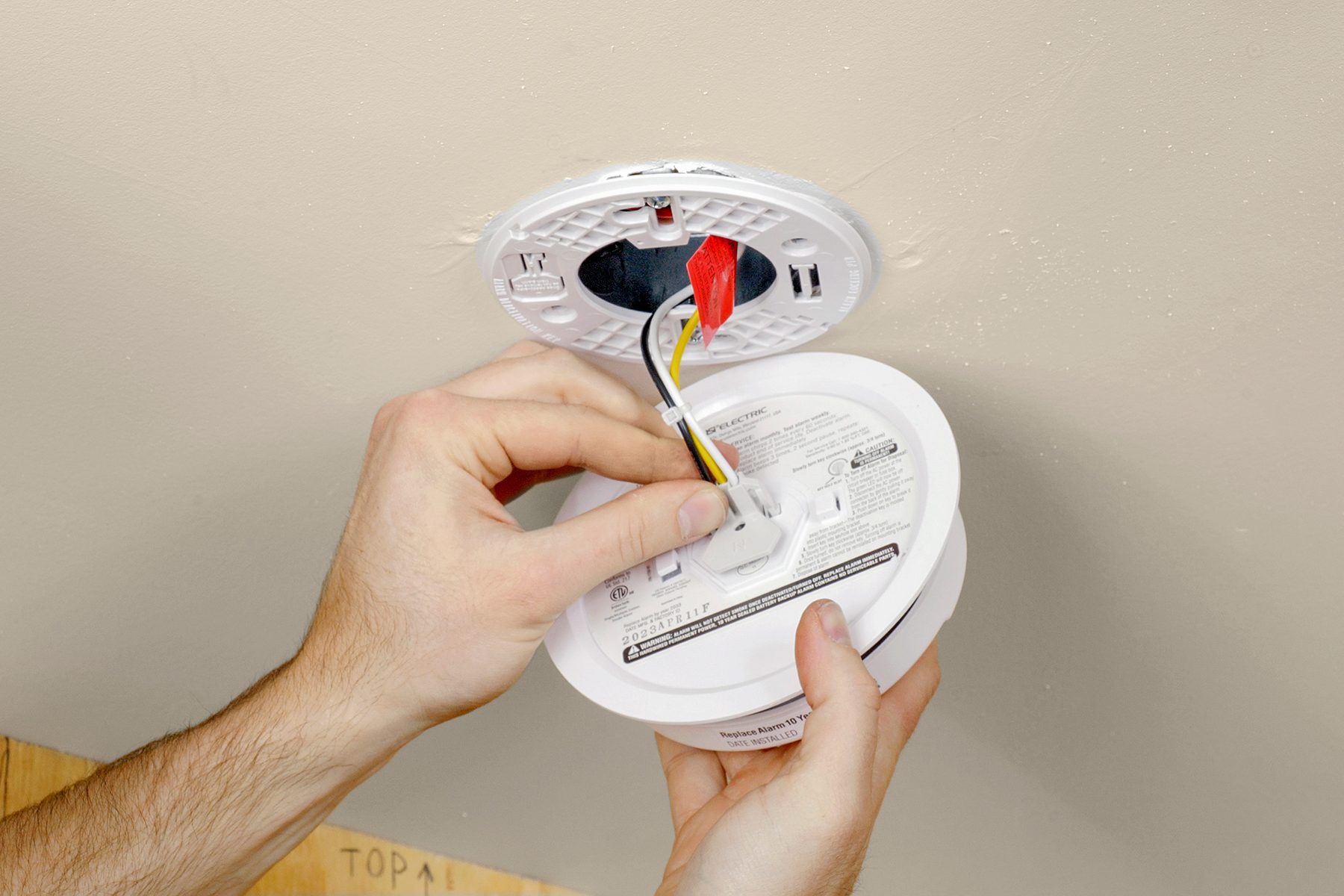
- Find the Date: Most smoke detectors have a manufacture date printed on the back. You might need a step stool and a good light, but it’s worth the peek. The date indicates when it was made, so add 10 years to that for its replacement deadline.
- Test Regularly: Press the test button on each detector once a month. If it doesn't chirp loudly, it's time for a battery change (for the backup) or potentially a full replacement.
- Clean Them: Gently vacuum around your detectors every six months to remove dust and cobwebs, which can interfere with their sensing abilities.
- Know the Chirp: A single chirp every 30-60 seconds usually means the backup battery is low. A continuous, loud alarm means smoke has been detected. Persistent chirping after changing the battery might signal the unit has reached its end of life.
- Plan Ahead: Make it a habit to check the dates when you change your clocks for daylight saving time, or when you replace the backup batteries.