
How Long Do Air Conditioners Typically Last
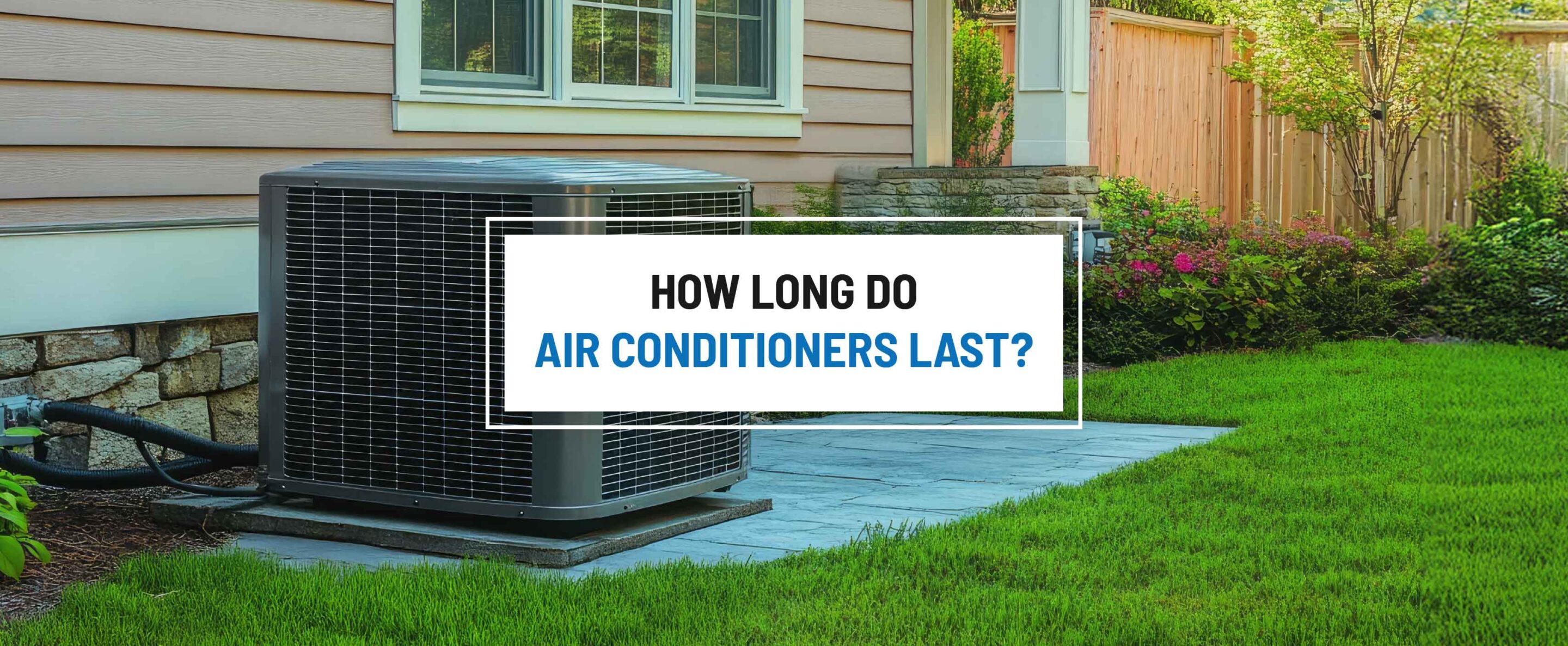
Hey there, cool cats and kittens! Ever wondered how long your trusty air conditioner will stick around, keeping you from melting into a puddle of summer goo? It's a pretty common question, and the answer, like most things in life, isn't a simple yes or no. But fear not, we're gonna break it down in a way that's easier to swallow than a popsicle on a scorching day.
So, how long do these magnificent machines typically last? Well, the average lifespan of an air conditioner is somewhere between 10 and 15 years. Think of it like this: your AC is kind of like a car. You can get more mileage out of it with regular maintenance, but eventually, it's going to start showing its age.
Factors That Affect Your AC's Longevity
Alright, let's dive into the nitty-gritty. What are the things that can either extend your AC's life or send it to an early grave? Prepare to be enlightened!
Must Read
Maintenance, Maintenance, Maintenance! Seriously, I can't stress this enough. Imagine never changing the oil in your car – it wouldn't last very long, right? Same goes for your AC. Regular maintenance, like changing filters, cleaning coils, and having a professional tune-up, can add years to its life. It's like giving your AC a spa day!
Usage: How often do you run your AC? If you live in a sweltering climate and it's working overtime practically year-round, it's naturally going to wear out faster than if you only use it sparingly. Think of it as comparing a marathon runner to someone who just jogs around the block a few times a week.
Climate: Speaking of climate, the harshness of your local weather plays a big role. Coastal areas with salty air can be particularly tough on AC units, causing corrosion and other issues. Similarly, extremely hot and humid environments force your AC to work harder, shortening its lifespan.

Initial Quality: Let's be honest, some ACs are just built better than others. A higher-quality unit from a reputable brand, even with a higher initial price tag, can often outlast a cheaper model in the long run. It's like comparing a handcrafted watch to a dime-store knockoff.
Installation Quality: This is a biggie! A poorly installed AC unit is like a ticking time bomb. If it's not properly sized for your home or if the ductwork is leaky, it'll have to work harder to cool your space, putting extra strain on its components. Always, always, always hire a qualified and experienced installer!
Signs Your AC Might Be on Its Last Legs
Okay, so how do you know when your AC is nearing the end of its rope? Keep an eye out for these telltale signs:
Increased Energy Bills: Notice your electricity bills creeping up, even though you haven't changed your usage habits? That could be a sign that your AC is losing efficiency and working harder to cool your home. Think of it like your car getting worse gas mileage as it ages.

Frequent Repairs: Is your AC constantly breaking down? If you're on a first-name basis with your HVAC technician, that's probably not a good sign. Frequent repairs can be a sign that the unit is nearing the end of its lifespan and it might be more cost-effective to replace it than to keep patching it up.
Weak Airflow: If the air coming out of your vents is weak or inconsistent, that could indicate a problem with the compressor or other internal components. This is like trying to blow up a balloon with a hole in it – it just doesn't work very well.
Strange Noises: Banging, rattling, or hissing sounds coming from your AC unit are definitely not normal. These noises could indicate a variety of problems, from loose parts to a failing compressor. Get it checked out ASAP!
Inconsistent Temperatures: Are some rooms in your house consistently warmer or cooler than others? This could be a sign that your AC is struggling to maintain a consistent temperature throughout your home. Time to call in the pros!
Extending the Life of Your AC
So, what can you do to help your AC live a long and happy life? Here are a few tips:
Schedule Regular Maintenance: As we've already established, this is the most important thing you can do. Schedule a professional tune-up at least once a year, and don't forget to change your air filter regularly (every 1-3 months). A clean filter keeps your AC running efficiently and prevents dust and debris from clogging up the system.
Keep the Area Around Your Outdoor Unit Clear: Make sure there's plenty of space around your outdoor AC unit for proper airflow. Trim back any bushes or shrubs that are blocking the unit, and remove any debris that might be obstructing the fan.

Use a Programmable Thermostat: A programmable thermostat allows you to set different temperatures for different times of the day, so you're not wasting energy cooling your home when you're not there. This can save you money on your energy bills and reduce the wear and tear on your AC unit.
Consider a Smart Thermostat: Stepping up from the programmable thermostat, a smart thermostat learns your preferences and automatically adjusts the temperature based on your schedule and even the weather outside! They can also provide you with detailed reports on your energy usage.
Seal Air Leaks: Seal any air leaks around your windows and doors to prevent cool air from escaping. This will help your AC run more efficiently and keep your home more comfortable.
So there you have it! Hopefully, this gives you a better understanding of how long air conditioners typically last and what you can do to extend their lifespan. Remember, a little TLC can go a long way! Now go forth and conquer the heat!