How Long Can You Run A Generator Continuously
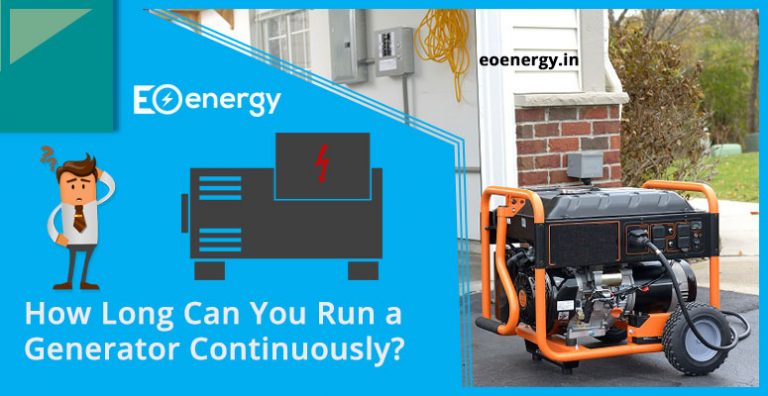
Ever wondered how long you could really rely on that generator humming away in the background? It's a question that might seem niche, but it's surprisingly relevant in a bunch of situations. Whether you're picturing a power outage, a camping trip, or even a film set in the middle of nowhere, understanding a generator's endurance is key. Plus, let's be honest, it's just plain interesting to delve into the mechanics of these little powerhouses!
At its core, a generator’s purpose is simple: to provide electricity when the grid fails or isn't accessible. The benefits are huge. Think of emergency power during a storm, keeping your fridge running and your lights on. Or imagine the freedom of running power tools on a remote construction site. Generators are indispensable in situations where consistent electricity is a necessity or a significant convenience. They're a literal lifeline when the lights go out.
You see generators at work everywhere. In schools, they act as a backup power source for critical systems like servers and emergency lighting, ensuring safety and minimizing disruption to learning. Hospitals rely on them to keep life-saving equipment operational. On a more everyday level, consider food trucks or outdoor events that need portable power. Even in remote areas, generators enable residents to access electricity for basic needs, connecting them to the modern world. My neighbor, a keen amateur astronomer, uses one to power his telescope and imaging equipment far away from city lights – allowing him to explore the cosmos in pristine darkness.
Must Read
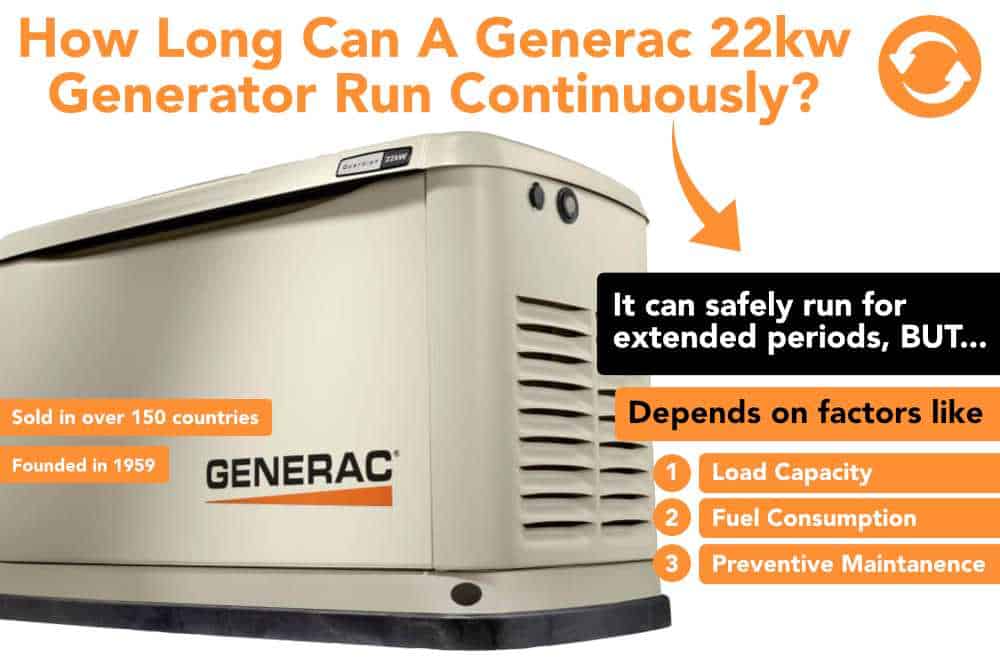
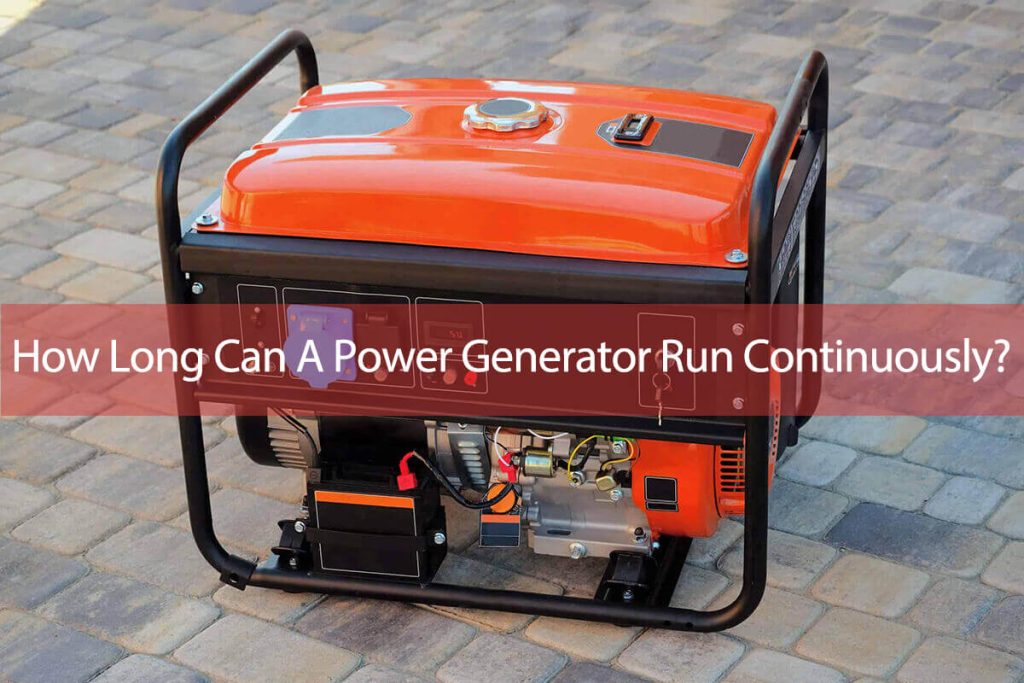
So, how long can you run a generator continuously? The answer, frustratingly, is "it depends." Several factors come into play. The type of generator is a big one. Portable generators, typically used for homes and camping, often have smaller fuel tanks and duty cycles. In contrast, industrial-grade generators are designed for extended use. Fuel type matters too. Propane generators might be able to run longer than gasoline ones because propane can be stored more easily in large quantities.
The load you're putting on the generator is equally crucial. A generator running at full capacity will burn through fuel much faster than one powering just a few lightbulbs. Think of it like driving a car – flooring the gas pedal guzzles fuel compared to cruising at a steady speed. Maintenance is another vital aspect. A well-maintained generator will run more efficiently and reliably than one that's been neglected. Regularly changing the oil, cleaning the air filter, and inspecting the spark plugs are all essential for longevity.

Want to explore this further? A simple way to get a feel for generator runtime is to experiment with your own generator (if you have one). Note the fuel level, run it with a specific load (like a few lamps and a small appliance), and then record how long it takes to consume a certain amount of fuel. Check your generator's manual for specific information about duty cycles and recommended maintenance schedules. Online calculators can also help you estimate runtime based on generator size and load. Just remember to always prioritize safety when working with generators – operate them in a well-ventilated area and follow all safety precautions.
Ultimately, understanding how long your generator can run continuously is about planning and preparedness. By considering these factors, you can ensure you're ready for whatever the power throws your way.