How Long Can Thawed Chicken Last In The Fridge

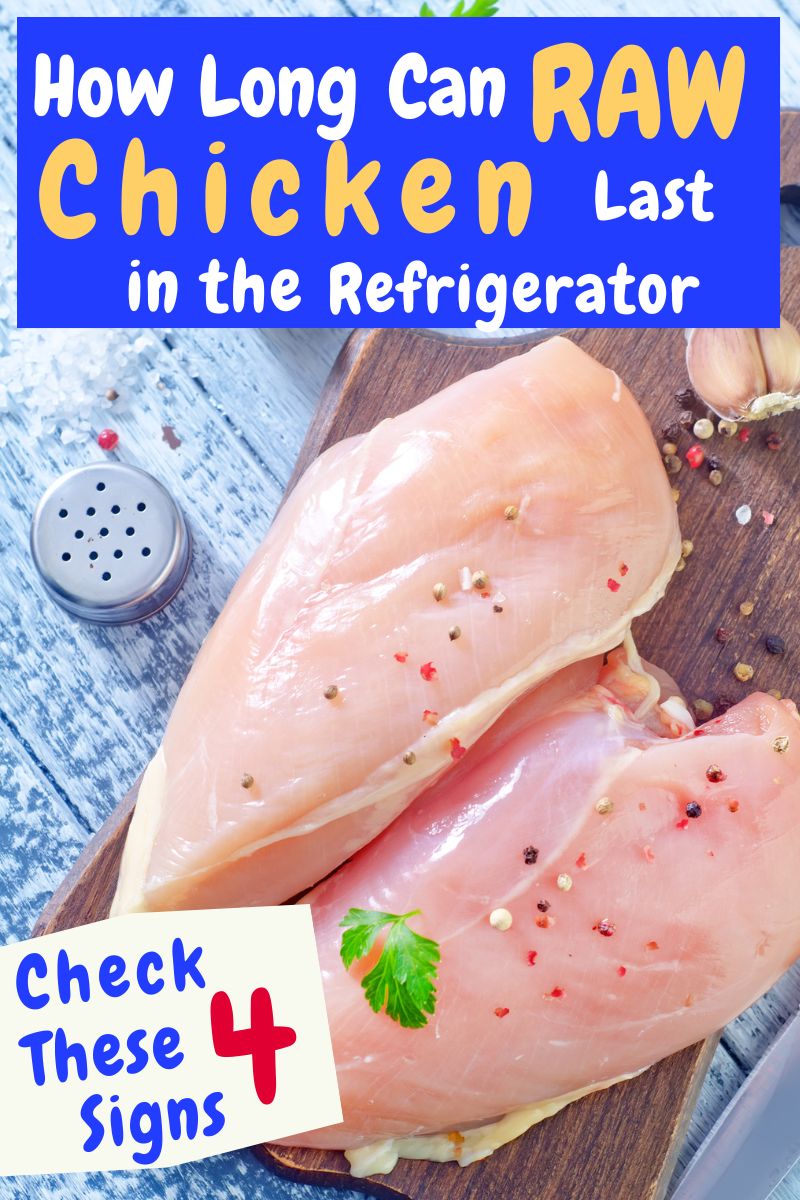
Let's face it, who doesn't love the convenience of chicken? It's a weeknight dinner staple, a BBQ champion, and the star of countless comfort food recipes. We love its versatility, its affordability, and the fact that it's a relatively healthy protein source. But sometimes, life throws you a curveball. You enthusiastically thaw that pack of chicken, then...bam! Something comes up. Suddenly, your meticulously planned chicken parmesan night is postponed. Now you're left wondering: how long can that thawed chicken really last in the fridge?
Understanding the shelf life of thawed chicken in your refrigerator is crucial for food safety. It's not just about avoiding a disappointing dinner; it's about protecting yourself and your family from potentially harmful bacteria like Salmonella and Campylobacter. These microscopic critters thrive in the "danger zone" – temperatures between 40°F (4°C) and 140°F (60°C) – and can cause food poisoning. Thawing chicken brings it squarely into this danger zone, so it's essential to know the clock is ticking.
So, the burning question: what's the verdict? Generally speaking, thawed chicken is safe to keep in the refrigerator for 1-2 days. Yes, you read that right. Only one to two days! This timeframe applies to both raw chicken pieces and whole chickens. After that, the risk of bacterial growth increases significantly, making it unsafe to consume. Think of it like this: the sooner you cook it, the better (and safer) it will be.
Must Read
Now, let's talk about maximizing that precious window of freshness. Here are some practical tips to help you enjoy your thawed chicken safely and effectively:
- Thaw smart: The best way to thaw chicken is in the refrigerator. It's slower than other methods but keeps the chicken at a consistently cold temperature. Avoid thawing at room temperature, as this creates a breeding ground for bacteria.
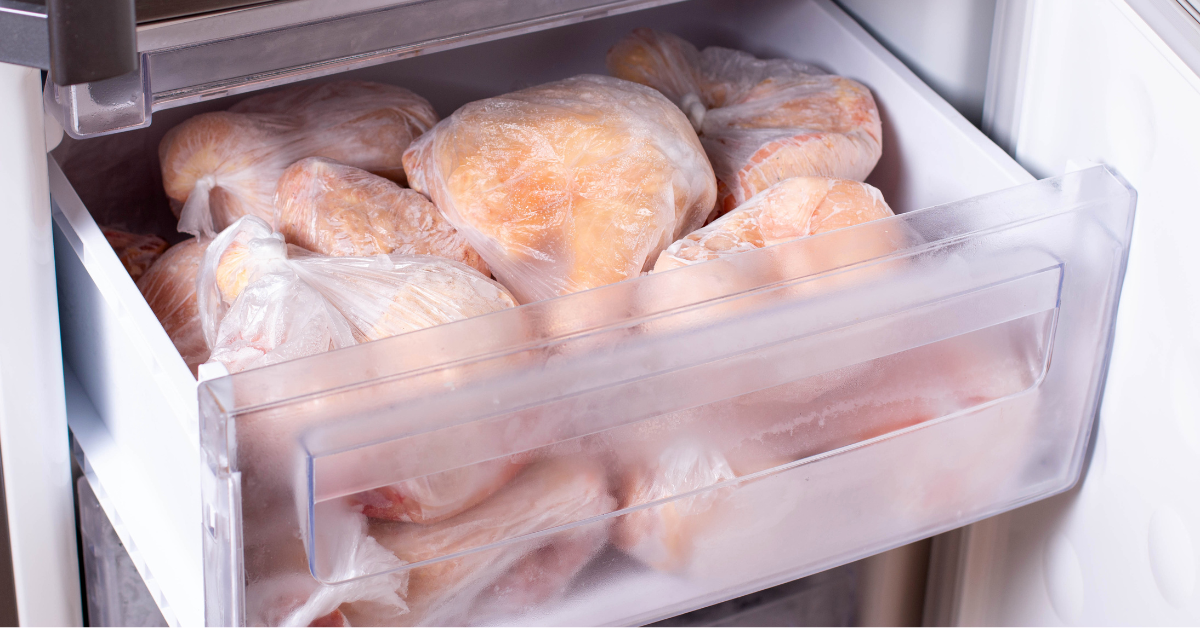
- Use it or freeze it: If you know you won't be able to cook the chicken within 1-2 days of thawing, re-freeze it immediately. While the texture might be slightly affected by the second freeze, it's still safer than letting it spoil in the fridge.
- Check the temperature: Ensure your refrigerator is set to 40°F (4°C) or below. A fridge thermometer is a cheap and effective way to monitor the temperature.
- Trust your senses: If the chicken has a slimy texture, a foul odor, or a noticeably different color, err on the side of caution and discard it. When in doubt, throw it out!
- Cook thoroughly: Always cook chicken to an internal temperature of 165°F (74°C) to kill any remaining bacteria. Use a meat thermometer to ensure accuracy.
By following these simple guidelines, you can enjoy the deliciousness and convenience of chicken without compromising your health. Remember, a little planning and awareness can go a long way in ensuring a safe and enjoyable dining experience. So, go forth and conquer that chicken dinner, armed with the knowledge to keep your kitchen – and your tummy – happy!