
How Long Can Meat Be In Fridge
Ever opened your fridge, stared at that lovely pack of meat, and wondered, "Is it still good?" You're not alone! It's a common kitchen puzzle we all face.
Knowing how long meat can safely chill in the fridge is like having a secret superpower. It saves you from food waste and keeps your meals delicious.
Let's dive into the fascinating world of fridge shelf life. It’s all about keeping your food safe and tasty, with a sprinkle of common sense.
Must Read
The Fridge's Magical, But Not Endless, Charm
Your refrigerator is a wonderful invention, slowing down tiny uninvited guests. These guests, also known as bacteria, love to spoil a good meal.
The cold air puts them in a slow-motion dance, but it doesn't stop them completely. That's why even in the fridge, meat has an expiration date.
It's a balance between keeping things fresh and preventing any unpleasant surprises. Think of it as a gentle race against time.
Raw Chicken and Poultry: A Quick Trip
Let's start with raw chicken and other poultry like turkey. These birds need your immediate attention in the fridge.
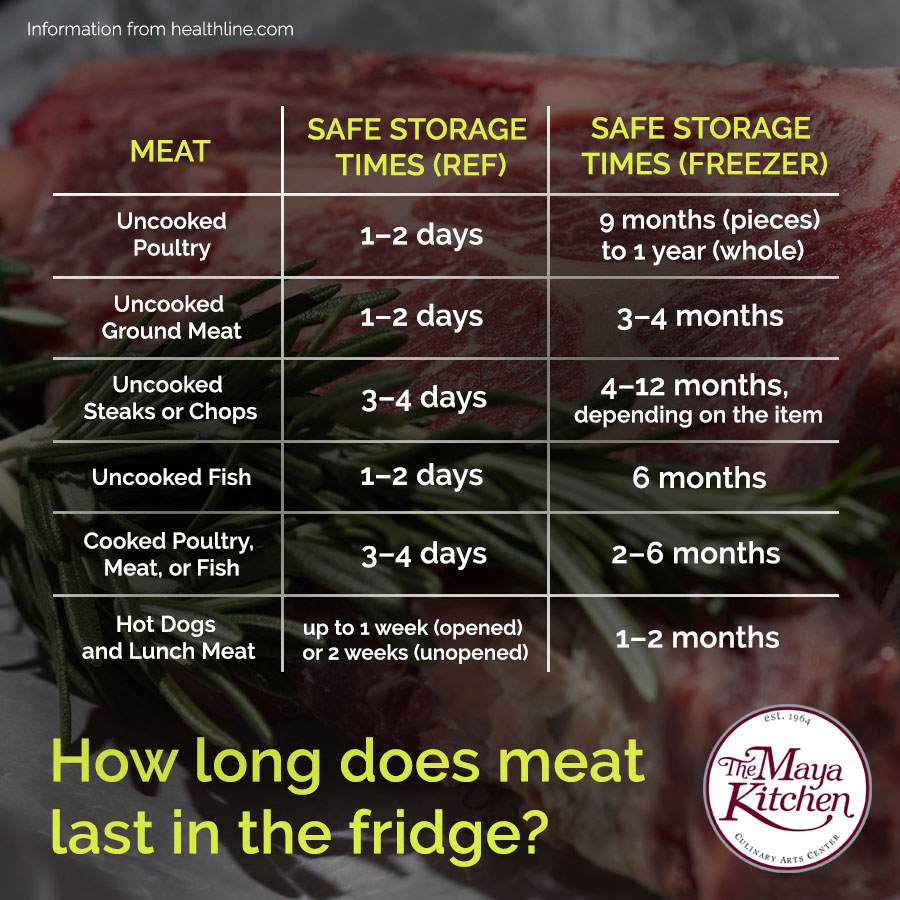
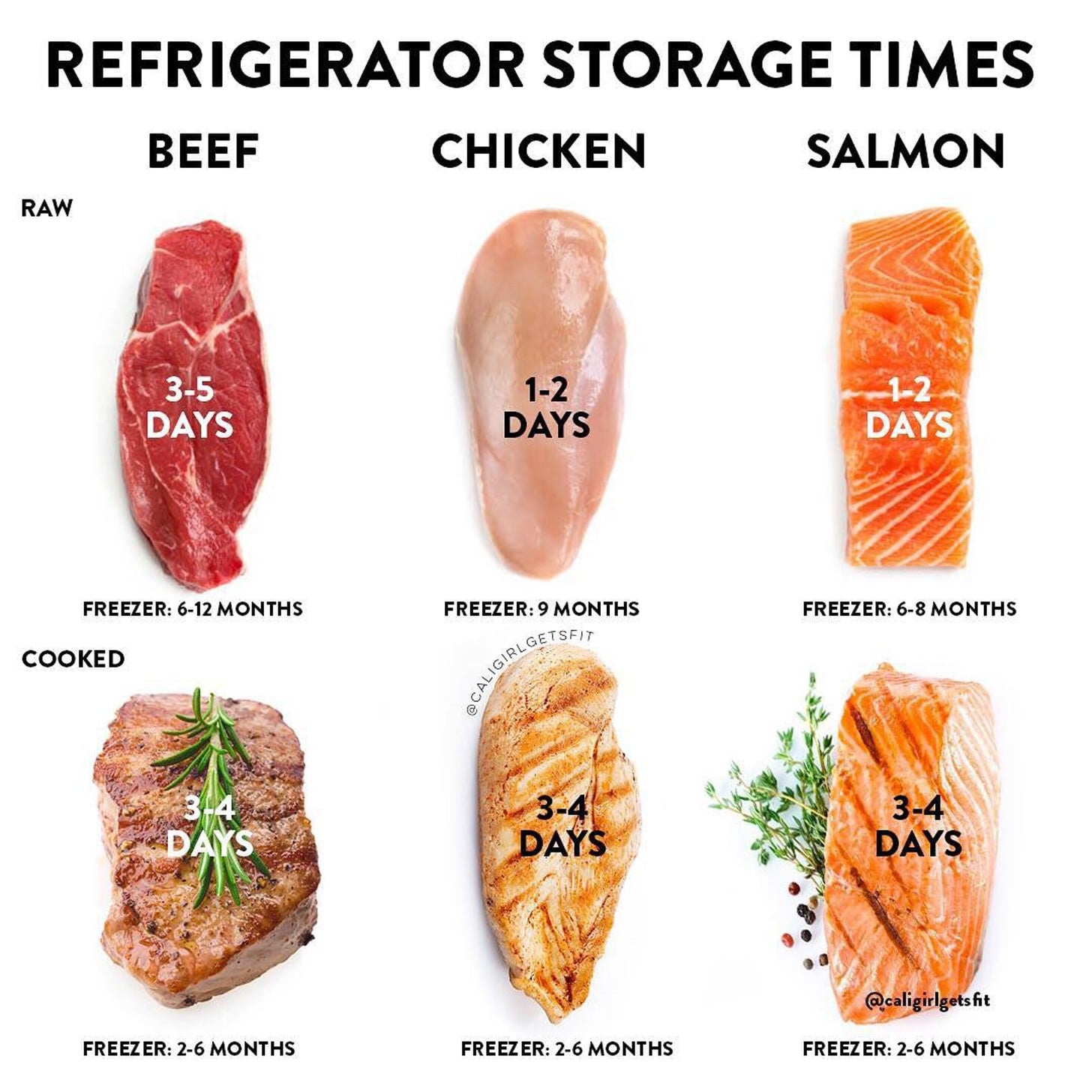
They are best used or frozen within just one to two days of purchase. This short window is super important for food safety.
Don't let that delicious dinner turn into a risky adventure. Plan your meals with poultry accordingly.
Ground Meat: Fast-Paced Freshness
Next up is ground meat, like beef, pork, or lamb. These also have a pretty quick turnaround time.
Due to how it's processed, ground meat should also be cooked or frozen within one to two days. There's more surface area for bacteria to explore.
So, if you buy ground beef on Monday, aim to cook it by Tuesday night. It’s a simple rule for safer eating.
Steaks, Roasts, and Chops: A Little More Leisure
Good news for your favorite steaks, roasts, and chops! These cuts of beef, pork, and lamb are a bit more forgiving.
You can usually keep them safely in the fridge for three to five days. Their solid structure offers a little more protection.
Imagine the delicious meals you can plan with this extra time! From juicy steaks to savory roasts, you have options.
Fresh Fish and Seafood: Handle with Care
Ah, the delicate dance of fresh fish and seafood! These treasures from the sea are perhaps the most time-sensitive.
Like poultry, fresh fish should be enjoyed or frozen within one to two days. They spoil quite quickly, so act fast.
When you bring home that beautiful salmon or shrimp, make a plan to cook it right away. Your taste buds will thank you.
Cooked Meats: Leftover Love
What about your delicious cooked meats? Leftovers are a true gift, but they also have a fridge limit.
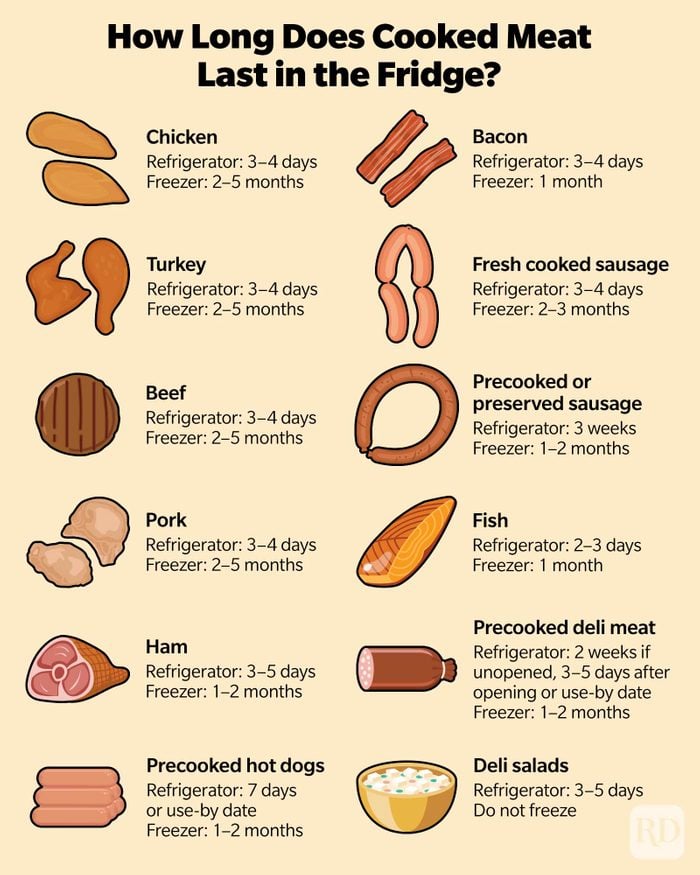
Once cooked, most meats are good for three to four days in the refrigerator. This applies to your roast chicken, pot roast, or grilled burgers.
Always remember to cool them down quickly before popping them into the fridge. Proper cooling helps a lot.
Knowing these times isn't just about safety; it's about confidence in your cooking. You become a kitchen wizard!
How Long Does Meat Last in the Fridge? | Taste of Home

Deli Meats: Sliced and Ready
Those convenient deli meats, perfect for sandwiches, also have their own rules. It depends if the package is opened or not.
An unopened package of deli meat can last up to two weeks. But once you open it, aim to use it within three to five days.
That means your turkey slices or ham need to be enjoyed fairly quickly after the first slice. Keep them sealed well.
Bacon and Sausage: Breakfast Buddies
Everybody loves bacon and raw sausage for breakfast or dinner. Their fridge life varies a little.
Raw bacon is usually good for about seven days in the fridge. Raw sausage, like breakfast links, follows the one to two-day rule.
Cured sausages, like pepperoni sticks that are ready-to-eat, will last much longer. Always check the package for specific advice.
The Temperature Tango: Fridge Setting Matters
Your fridge's temperature is the unsung hero in all of this. It needs to be set just right to do its job effectively.
Keep your refrigerator at or below 40°F (4°C). This is the sweet spot for slowing down bacterial growth.
A thermometer inside your fridge is a great little gadget to ensure it's always working perfectly. It's a small check for big peace of mind.
Packaging Power: Keeping It Snug
How you store your meat also plays a big role. Proper packaging can extend its fridge stay.
Always keep meat in its original packaging until you're ready to use it. If you open it, rewrap it tightly in plastic wrap or foil.
You can also place it in an airtight container. This helps protect it from air and prevents those strong meat smells from spreading.
Signs of Spoilage: Your Senses Are Superheroes
Sometimes, despite your best efforts, meat can spoil. Your senses are your best defense against bad food.
First, give it a good sniff. If it has a sour, ammoniated, or just plain "off" smell, it's a definite sign to say goodbye. Trust your nose!
Next, look at the color. Fresh meat has a vibrant, natural color. If it's turned greenish, grayish, or developed dark spots, it's time to let go.
Finally, feel it. If the meat feels slimy, sticky, or unusually mushy, that's another clear warning. A healthy texture is firm and moist.
When in doubt, throw it out! Your health is far more valuable than a few dollars worth of questionable meat.
Freezing: The Ultimate Time Travel
Want to hit pause on the clock? Freezing is your best friend! It stops bacteria growth completely, preserving your meat for months.
Always wrap meat well before freezing to prevent freezer burn. Label it with the date so you know how long it’s been there.

When you're ready to use frozen meat, thaw it safely in the refrigerator, never on the counter. Patience is a virtue here.
Smart Shopping & Storage Tips
Start smart at the grocery store. Buy meat last and head straight home to get it into the fridge.
Don't overcrowd your fridge. Good air circulation helps keep everything at the right temperature.
It's also a good idea to store raw meat on the bottom shelf. This prevents any drips from contaminating other foods below.
Why This Knowledge Is So Special
Knowing these simple fridge rules empowers you in the kitchen. It reduces food waste, which saves you money.
More importantly, it keeps you and your loved ones safe from foodborne illnesses. That's a huge win in anyone's book.
It brings a wonderful sense of confidence to your cooking. You can confidently prepare meals, knowing everything is fresh and safe.
Be the Boss of Your Fridge!
You now have the insights to manage your meat like a pro. No more guessing games or wasted groceries!
Armed with this knowledge, you can plan your meals smarter and enjoy every single bite. It's about making your kitchen life easier and safer.
So go forth, confident kitchen explorer, and enjoy the delicious journey of fresh food! Your fridge is ready for your expertise.