How Long Can Eggs Last In Fridge Without Power

Ah, the humble egg. From sunny-side-up breakfasts to delicate meringues, the egg is a kitchen staple, a culinary chameleon capable of transforming into countless delicious creations. But what happens when the power goes out? That innocent carton in your fridge suddenly feels a lot more vulnerable. Let's crack open (pun intended!) the mystery of how long eggs can truly last in your refrigerator without power and, more importantly, how to keep your potential omelets safe.
It's a question that plagues everyone from the seasoned chef to the casual cook. Knowing the answer can be the difference between enjoying a fluffy frittata and facing a potential food poisoning disaster. Food safety is paramount, and understanding how a power outage affects the longevity of eggs is essential knowledge.
For the artistic types, think of it this way: a power outage affecting your eggs is like a sudden change in your artistic medium. You need to understand the new parameters to work safely and effectively. Maybe you're a baker who relies on perfectly timed custards; a power outage means you need to be extra vigilant about checking your ingredients. Perhaps you’re simply someone who enjoys a quick scrambled egg in the morning; knowing how long those eggs are safe will ensure you can continue your routine without worry. This knowledge allows you to be resourceful and creative in managing your resources, much like an artist adapting to unexpected constraints. The benefits are simple: peace of mind and a reduced risk of illness.
Must Read
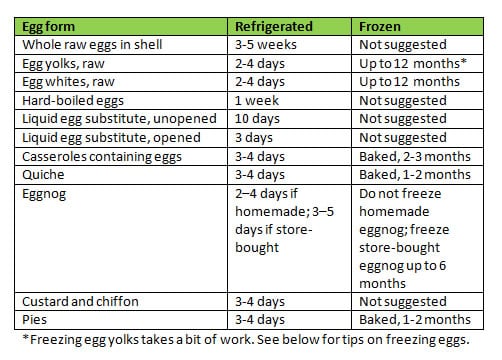
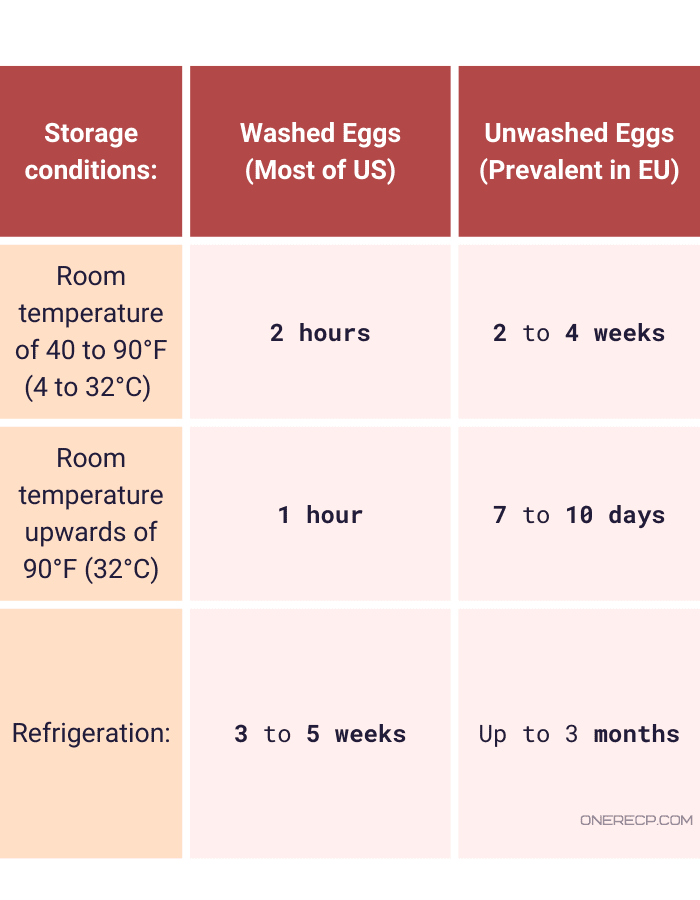
So, the burning question: how long do eggs last in the fridge without power? The USDA recommends that refrigerated eggs are safe to eat for up to 3-5 weeks beyond the pack date (the date the eggs were packaged). However, once refrigeration is lost, that timeframe drastically shrinks. Generally, eggs can remain safe for up to 2 hours at room temperature. If the temperature is above 90°F (32°C), this time decreases to just 1 hour. During a power outage, a full refrigerator will maintain its temperature longer than a partially filled one. Try to avoid opening the refrigerator door unnecessarily to keep the temperature consistent.
Tips for navigating egg safety during a power outage:
- Monitor the Temperature: Use a refrigerator thermometer to track the internal temperature. If it rises above 40°F (4°C) for more than 2 hours, the eggs are no longer safe to consume.
- The Sniff Test: While not foolproof, a noticeably bad smell or unusual appearance is a clear indication that the eggs have spoiled.
- When in Doubt, Throw it Out: It's always better to err on the side of caution. Your health is worth more than saving a few eggs.
- Consider Powdered Eggs: For emergency preparedness, powdered eggs have a long shelf life and don't require refrigeration.
While dealing with a power outage can be stressful, understanding the simple rules of food safety, especially regarding eggs, can empower you to make informed decisions and protect your health. It's a small piece of knowledge that can bring a sense of control during an uncertain situation. Besides, isn't there a certain satisfaction in knowing you're a responsible and informed egg enthusiast? After all, enjoying a perfectly cooked egg, safely prepared, is a simple pleasure that's always worth protecting. Happy cooking!