
How Long Can Dogs Walk In Snow Without Shoes

Okay, picture this: I'm watching my goofy golden retriever, Gus, gleefully bounding through a fresh snowfall. He's got that pure, unadulterated joy radiating off him that only dogs seem to possess. Snowflakes are flying, he's digging with his nose, and I'm thinking, "This is the life!" Then, bam! Reality hits. I start wondering, "Wait a minute... are his paws freezing? Should I have put those ridiculous little booties on him?"
That little moment of panic got me thinking. How long can dogs really walk in snow without shoes? It's a question every dog owner who lives where the white stuff falls has probably pondered. So, let's dive in! (Figuratively, of course. Unless you’re already in the snow… then by all means, dive!).
The Great Paw Debate: Shoes or No Shoes?
The short answer is… it depends. I know, I know, the most frustrating answer ever. But seriously, there's no one-size-fits-all answer here. Several factors influence how long your furry friend can comfortably trek through a winter wonderland without paw protection.
Must Read
- Breed and Size: Some breeds, like Siberian Huskies and Alaskan Malamutes, are practically built for snow. They've got thicker paw pads and better circulation. Smaller dogs, on the other hand, tend to get colder faster. (Think Chihuahua vs. Saint Bernard – a pretty big difference, right?).
- Temperature and Conditions: A light dusting of powder is different than walking on icy, salted sidewalks. Sub-zero temps? Definitely a shorter walk.
- Your Dog's Tolerance: Just like people, some dogs are more sensitive to the cold than others. Pay attention to your dog's cues!
Let's talk about those cues. What should you be looking for to know your dog is cold?
Decoding the Paw-sibilities: Signs Your Dog is Too Cold
Your dog can't exactly tell you they're freezing (unless you've trained them to use some kind of sophisticated dog-to-human communication device… in which case, please share your secrets!). But they will show you. Here's what to watch out for:
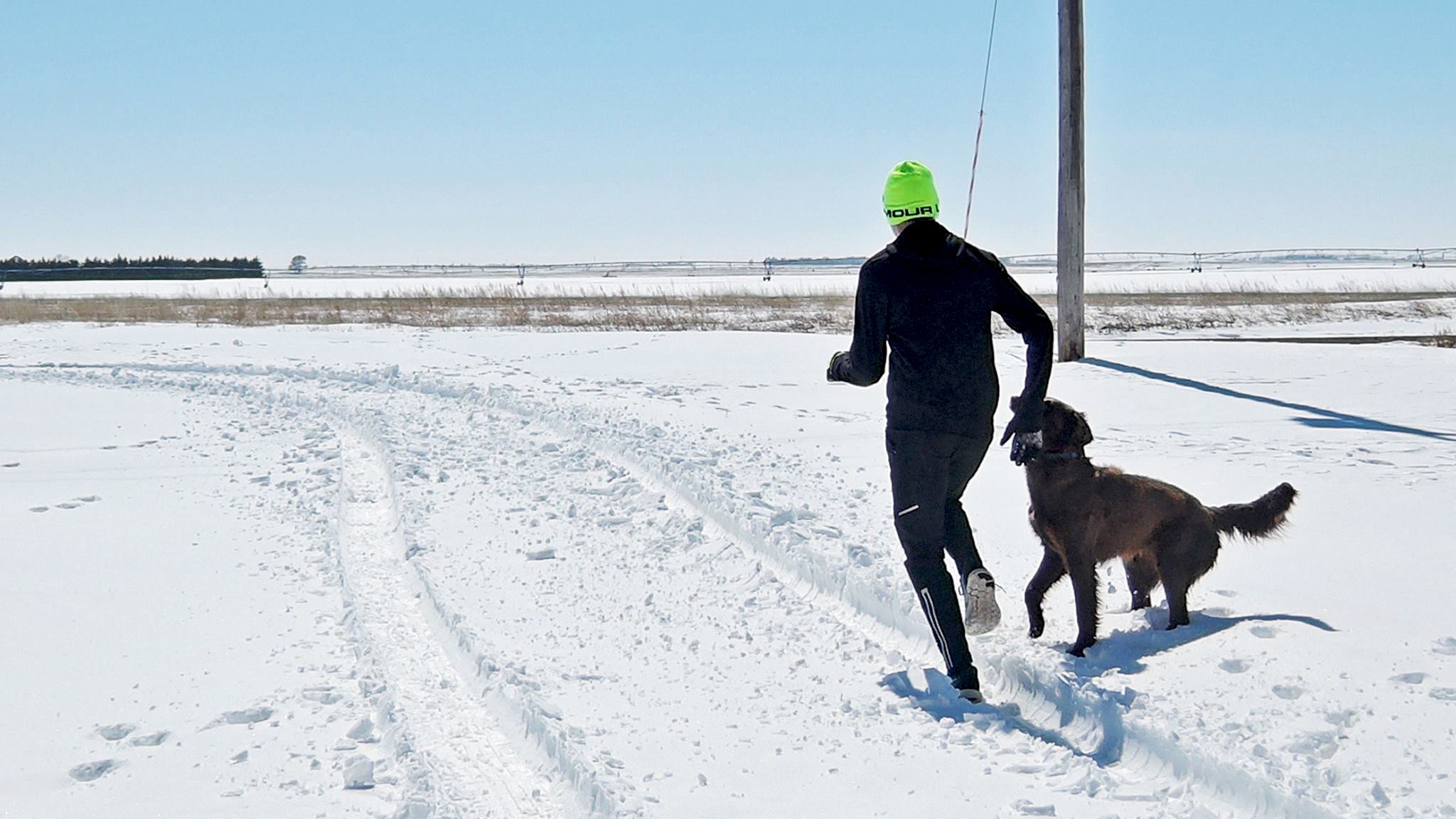
- Lifting Paws: This is a classic sign! They're trying to get their paws off the cold ground.
- Limping or Shivering: Obvious signs of discomfort. Don't ignore these!
- Whining or Acting Anxious: Sometimes, discomfort manifests as anxiety. If your usually chill pup is suddenly acting stressed, the cold could be the culprit.
- Stopping Frequently: If your dog suddenly loses interest in their walk and keeps stopping, it might be because their paws are cold.
Basically, if your dog is acting differently than usual, and it's cold out, there's a good chance they're feeling the chill. Time to head inside!
Salt, Ice, and Other Winter Woes
It's not just the cold we need to worry about. Salt and ice melt chemicals can be really irritating to your dog's paws. These chemicals can cause dryness, cracking, and even chemical burns. Ouch!
Pro-tip: Wipe your dog's paws with a warm, damp cloth after every walk in the snow. This helps remove any salt or ice melt residue. You can also use paw balm to keep their paws moisturized.
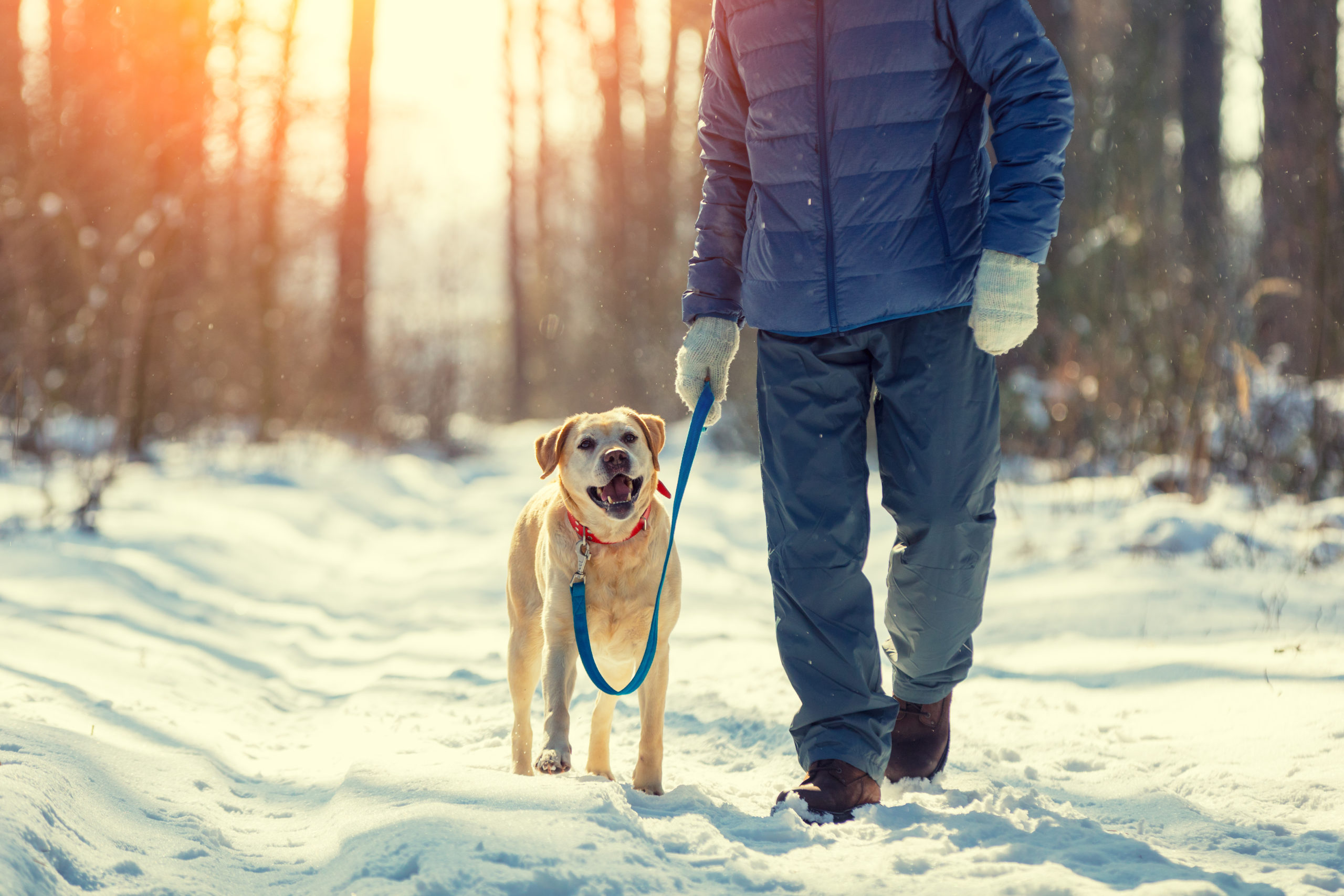
Booties vs. No Booties: The Ultimate Showdown
Okay, let's address the elephant in the room (or, rather, the bootie on the paw). Should you put booties on your dog? Again, it depends.
Booties are a good idea if:

- Your dog has sensitive paws.
- You live in an area where roads and sidewalks are heavily salted.
- The temperature is extremely low.
- Your dog is going to be spending a lot of time outside.
Booties might not be necessary if:
- Your dog has thick paw pads and is used to the cold.
- You're only going for a short walk.
- The snow is fresh and there's no salt or ice melt around.
Important note: Getting your dog used to booties can take time and patience. Start by letting them wear them around the house for short periods, and gradually increase the duration. Don't force it! (Trust me, you'll both be happier).
Ultimately, you know your dog best. Pay attention to their cues, consider the weather conditions, and make the best decision for their comfort and safety. And hey, if all else fails, there’s always cuddle time on the couch! Who can argue with that?
