How Long After The Best By Date Is Milk Good
Ah, milk. That creamy, comforting beverage we've all grown up with. Whether you're enjoying a frosty glass with cookies, swirling it into your morning coffee, or using it as the base for a decadent mac and cheese, milk plays a vital role in countless culinary creations and daily routines. It's a nutritional powerhouse, providing essential calcium, vitamin D, and protein, contributing to strong bones, healthy muscles, and overall well-being. From the youngest members of our families to the oldest, milk is a staple in many households, a simple pleasure that connects us to fond memories and provides much-needed nourishment.
But let's face it, we've all been there: staring into the refrigerator, a carton of milk in hand, wondering if it's still safe to drink. That dreaded "Best By" date looms large, fueling our anxieties and prompting the age-old question: how long after the best by date is milk actually good?
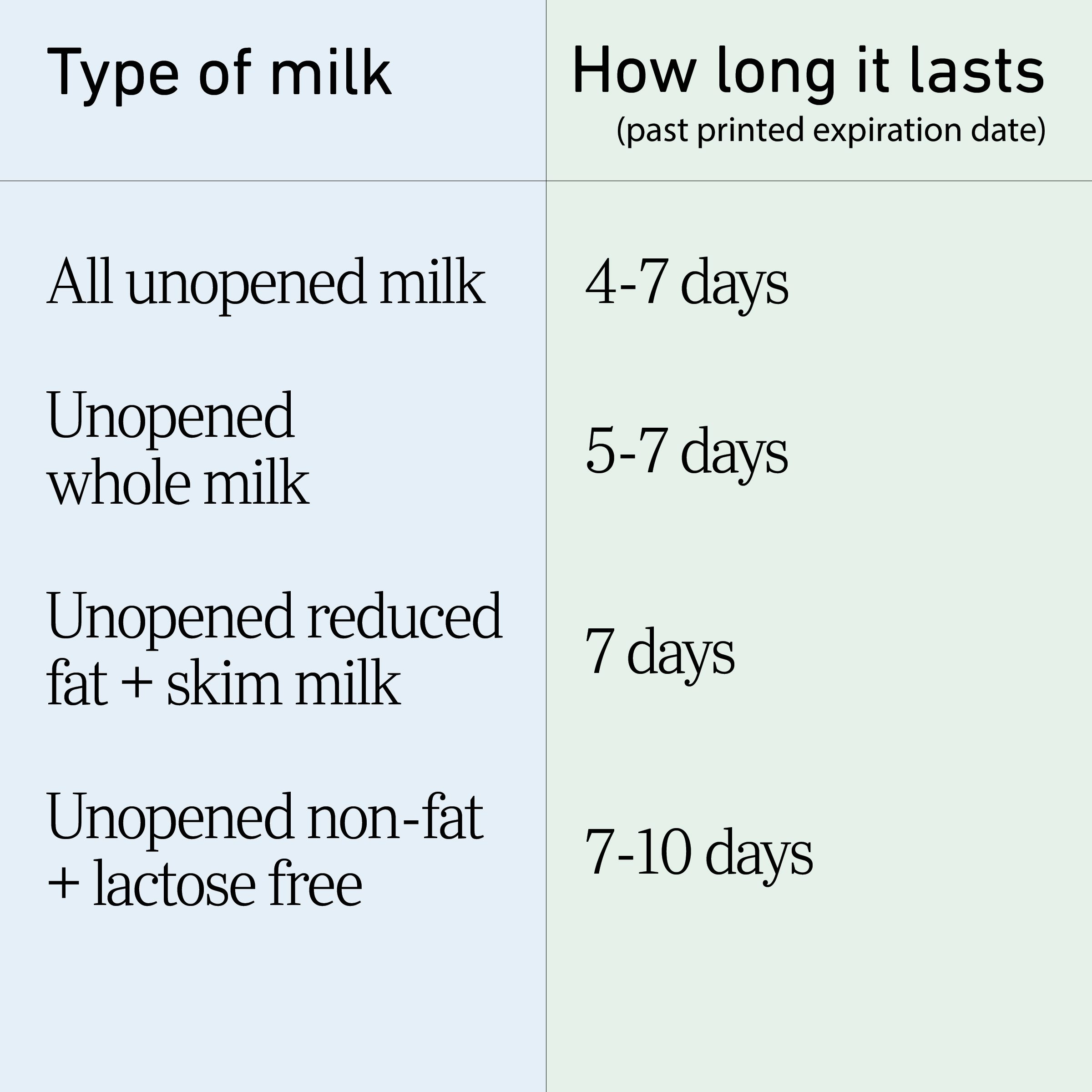
The "Best By" date, it's important to remember, is not an expiration date. It's the manufacturer's suggestion for when the milk is at its peak quality. Think of it as a recommendation, not a decree. In reality, milk can often be perfectly safe to drink for several days, even a week or more, after that date. The key is to use your senses – your sight and smell – to determine its true freshness.
Must Read
So, how do you become a milk detective? First, give it a good visual inspection. Look for any signs of separation or clumping. These are usually warning signs. Second, and most importantly, give it a sniff! If it smells sour or “off,” trust your instincts. That's a clear indication that the milk has turned and is no longer safe to consume. Fresh milk should have a slightly sweet, clean aroma. Don't be shy; a good sniff is the best way to tell! Even if it looks normal, if the smell is questionable, it's best to err on the side of caution. Nobody wants a milk-induced stomach ache!

Here are a few practical tips to help you enjoy your milk more effectively and extend its lifespan: Store it properly. Always keep milk refrigerated at a temperature of 40°F (4°C) or below. Don't leave it out at room temperature for extended periods. Frequent temperature fluctuations can accelerate spoilage. Also, store it on a shelf inside the refrigerator, not in the door. The door is often the warmest part of the fridge, and exposing the milk to those temperature changes every time you open the door can shorten its lifespan. Consider buying milk in smaller containers. This way, you're more likely to use it up before it goes bad, minimizing waste. Finally, if you're still unsure, try a small sip before pouring a full glass. A tiny taste will quickly confirm whether it's still good or not.
Ultimately, judging the freshness of milk is a skill honed with practice. By understanding the purpose of the "Best By" date, trusting your senses, and following these simple storage tips, you can confidently enjoy your milk, reduce food waste, and avoid any unfortunate dairy-related mishaps. Happy sipping!