How Is Wind Produced On Earth
Ever stepped outside and felt that delightful rush of air, tousling your hair or giving your clothes a little dance? That, my friends, is wind! It’s one of Earth’s most dynamic and ever-present forces, yet how often do we stop to think about how it actually gets made? Spoiler alert: it’s not just the trees sighing.
Get ready to unravel the breezy mystery behind this invisible sculptor of landscapes and a constant companion in our daily lives. Understanding wind is actually pretty straightforward, and it all boils down to one superstar in our solar system: the sun.
The Sun: Our Ultimate Wind-Maker
Think of the sun as the giant engine driving nearly all weather on Earth. It beams down energy, but here’s the kicker: it doesn't heat our planet evenly. Different surfaces absorb solar radiation differently. Have you ever noticed how a dark asphalt road gets scorching hot in summer, while a shimmering lake stays relatively cool? That’s the principle in action!
Must Read
Land heats up and cools down much faster than water. Darker surfaces, like forests or cities, absorb more heat than lighter ones, like snowy plains or sandy beaches. This uneven heating is the very first domino to fall in the production of wind.
Highs, Lows, and the Great Equalizer
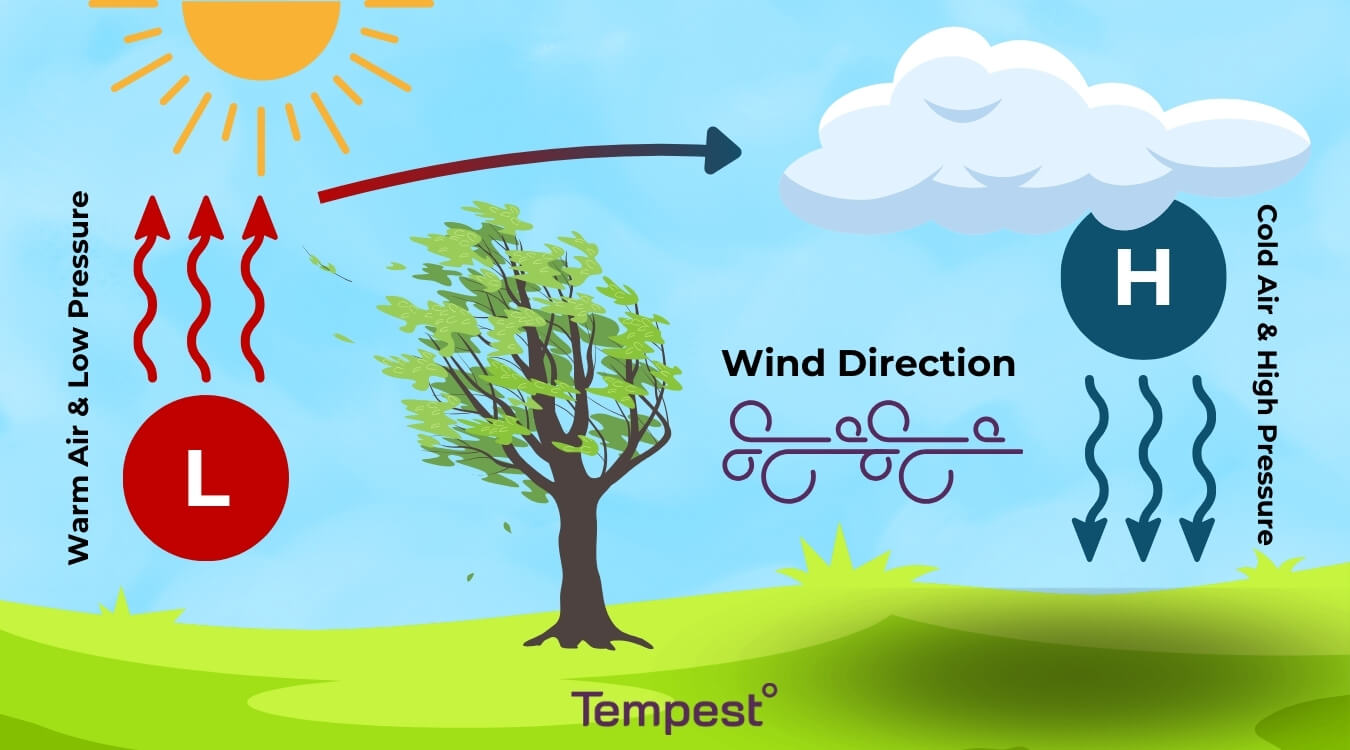
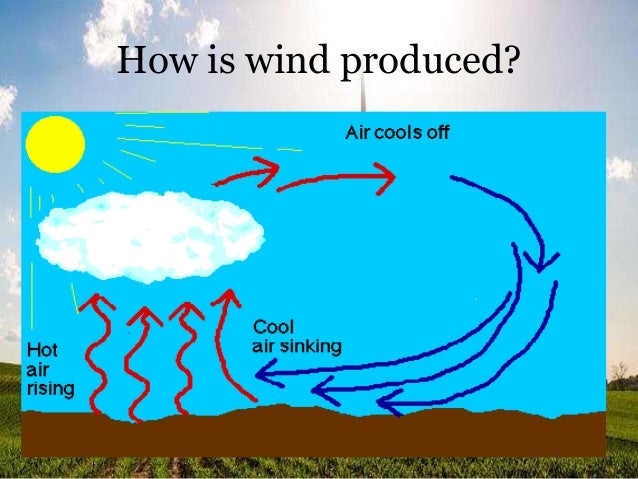
When the sun heats a patch of ground, the air directly above it gets warmer. And what does warm air do? It expands and becomes less dense, so it naturally starts to rise. As this warm air ascends, it leaves behind an area of lower atmospheric pressure at the surface.

Conversely, in nearby cooler areas (like over a large body of water or a shaded forest), the air is denser and tends to sink. This creates an area of higher atmospheric pressure. And here’s the magic moment: nature abhors a vacuum, or in this case, a pressure imbalance. Air, being the ultimate equalizer, always wants to move from an area of high pressure to an area of low pressure.
Bingo! That movement of air from high to low pressure is what we feel and call wind.
Local Breezes and Global Gusters
You can see this phenomenon play out in miniature every day. Think about a coastal town on a hot afternoon. The land heats up faster than the ocean, creating low pressure over the land. The cooler air over the water (high pressure) rushes inland to fill the void, giving you that lovely sea breeze perfect for an afternoon stroll. At night, the land cools faster than the sea, and the process reverses, leading to a land breeze flowing out to sea.
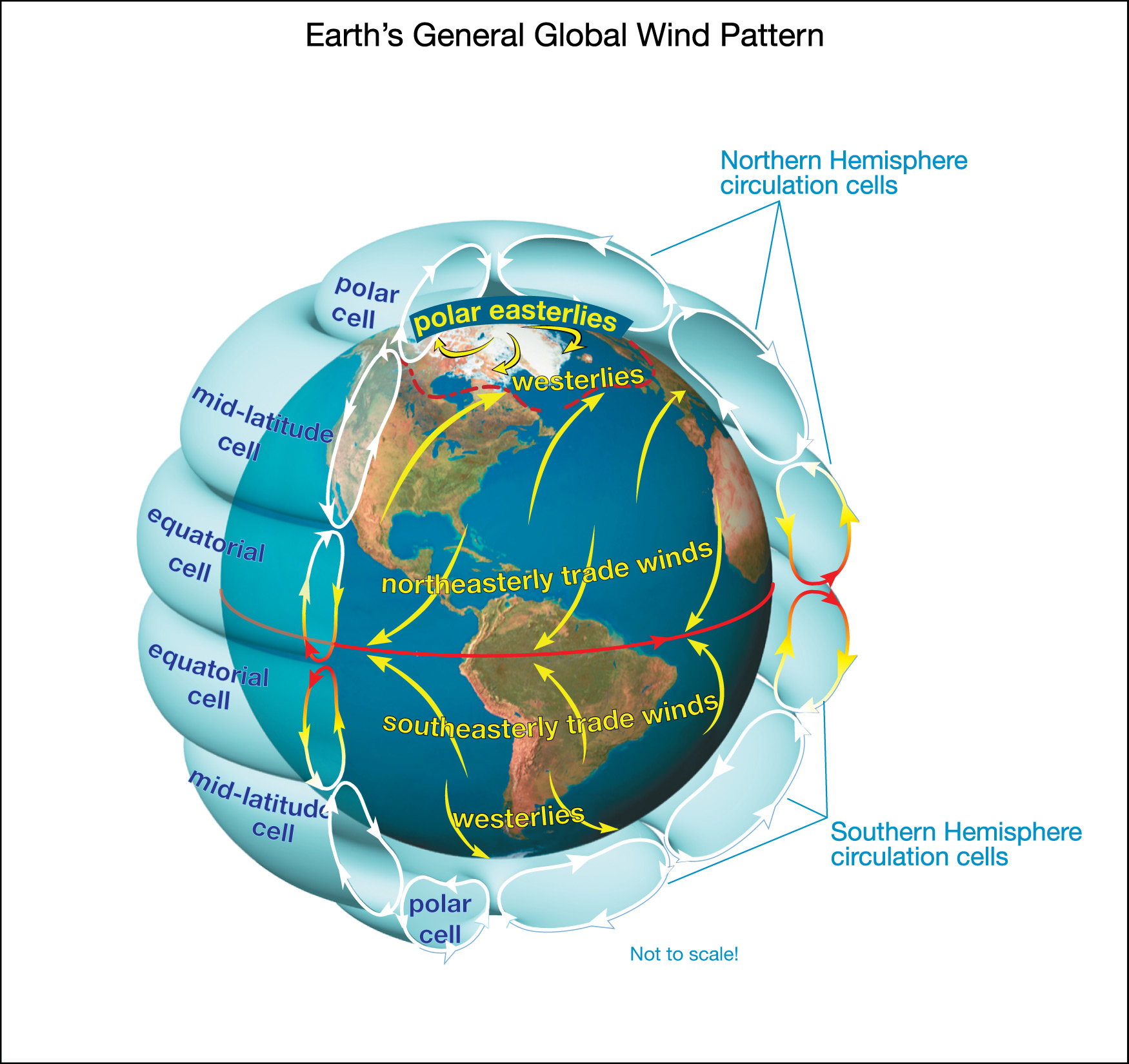
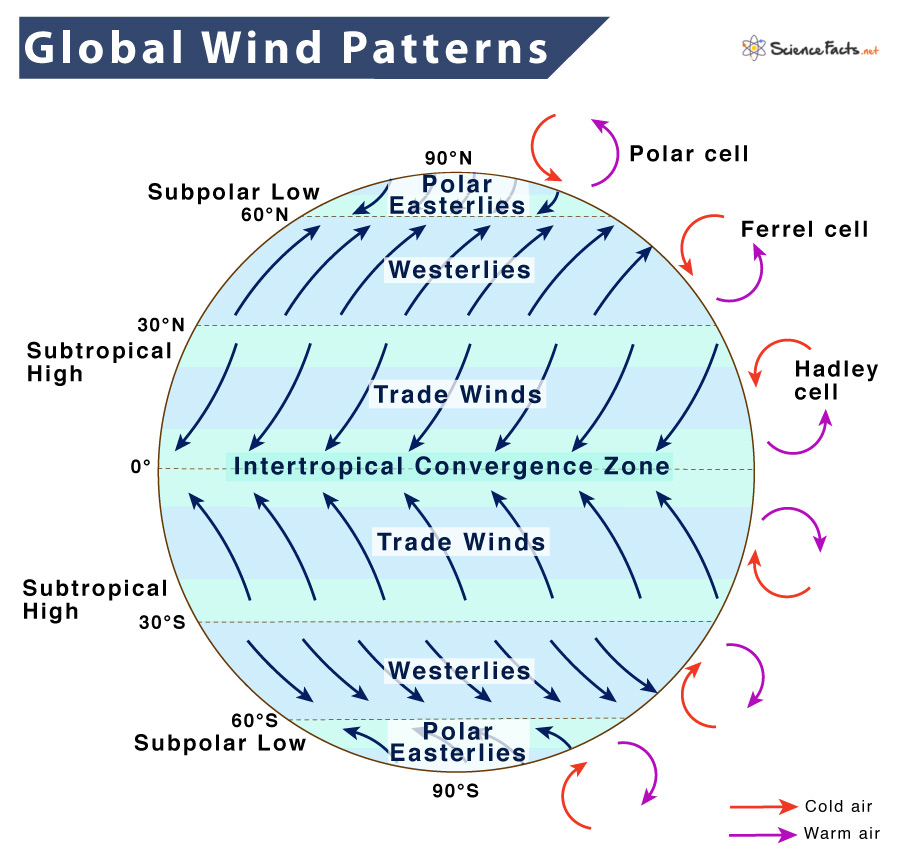
On a much grander scale, the same principle drives global wind patterns. The sun heats the equator more intensely than the poles, creating massive convection currents. But wait, there's a twist! The Earth is constantly spinning. This rotation causes a fascinating deflection effect known as the Coriolis Effect. It makes winds (and ocean currents) curve rather than flowing in a straight line, which is why hurricanes spin and trade winds blow consistently in certain directions.
Wind Through Time and Culture
Humans have been harnessing and appreciating wind for millennia. Ancient sailors used wind to explore new worlds, their sails billowed by forces we now understand as pressure gradients. The iconic windmills of the Netherlands or the intricate wind chimes of Japan are testaments to our long-standing relationship with this natural power. Today, giant wind turbines dot our landscapes, turning that same ancient force into clean, renewable electricity – a modern twist on an age-old friend.
Did you know that some winds even have their own celebrity names? There's the warm, dry Chinook wind in the Rocky Mountains, or the powerful Mistral in France, known for clearing the sky and chilling bones. Each has its own personality, shaping local weather and even influencing cultures.
Catch the Breeze
So next time you feel a gust, take a moment to appreciate the incredible, invisible dance of solar energy, temperature differences, and air pressure at play. Understanding wind isn't just a science lesson; it's a way to feel more connected to the living, breathing planet beneath our feet.
Go fly a kite, feel the wind dry your laundry naturally on the line, or simply enjoy a fresh breeze on your face. It's a gentle, constant reminder of the Earth's dynamic systems, tirelessly working to bring us everything from a refreshing gust to the energy that powers our homes. How cool is that?