How Is Wind Energy Transformed Into Electricity
Ever watched a towering wind turbine gracefully spin, seemingly plucking energy from thin air? It's a mesmerizing sight, isn't it? And it's more than just pretty scenery; it's a crucial part of our energy future. Understanding how wind transforms into electricity is not only fascinating but also increasingly relevant as we search for cleaner, more sustainable ways to power our lives. Think of it as unlocking a real-world superpower: harnessing the invisible force of the wind!
So, what's the purpose of wind energy, and why is it so highly regarded? Simply put, wind energy allows us to generate electricity without burning fossil fuels. This has enormous benefits, most importantly reducing greenhouse gas emissions, combating climate change, and improving air quality. Unlike coal or gas-fired power plants, wind turbines don't release harmful pollutants into the atmosphere. They offer a clean and renewable alternative, tapping into a resource that's constantly replenished by nature. Imagine a world powered by the breeze – that's the promise of wind energy!
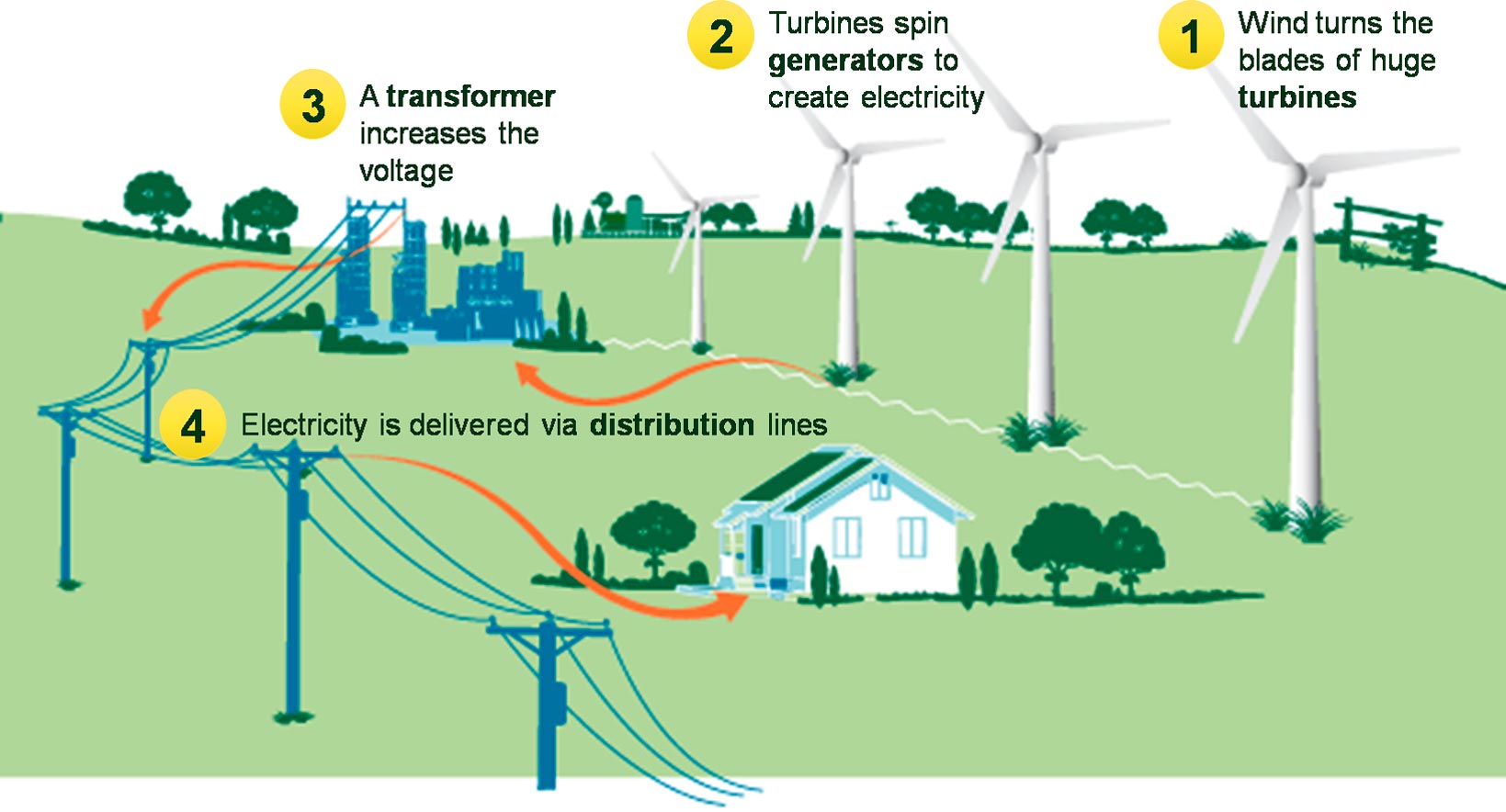
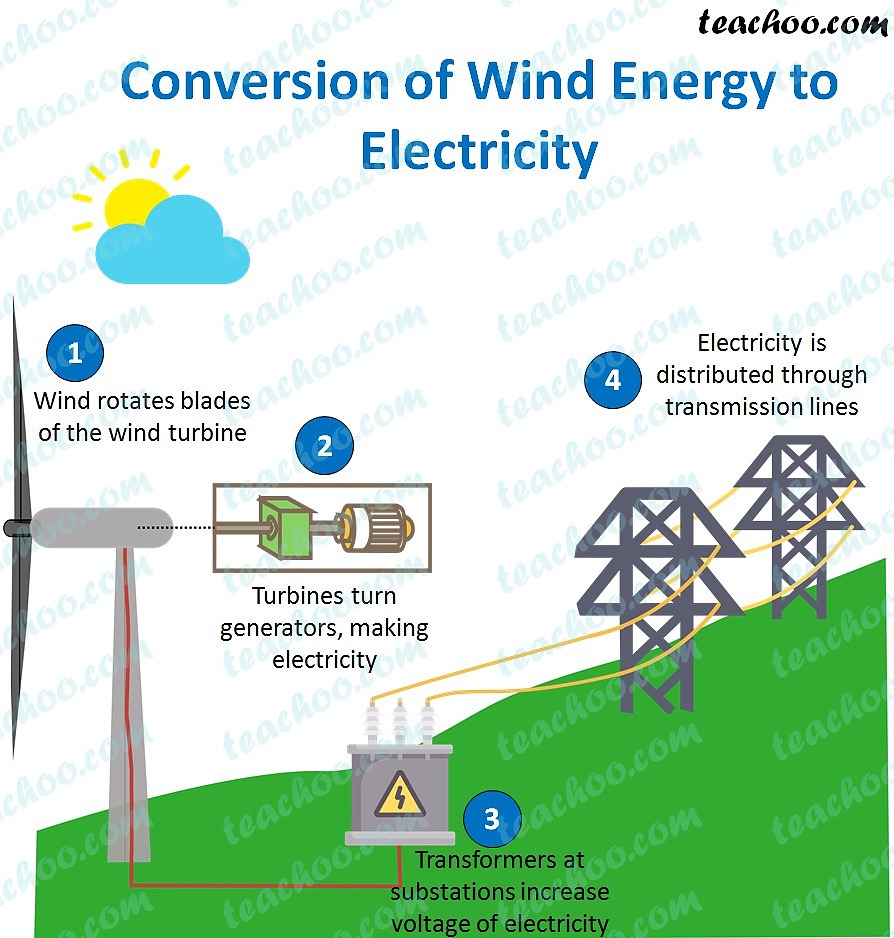
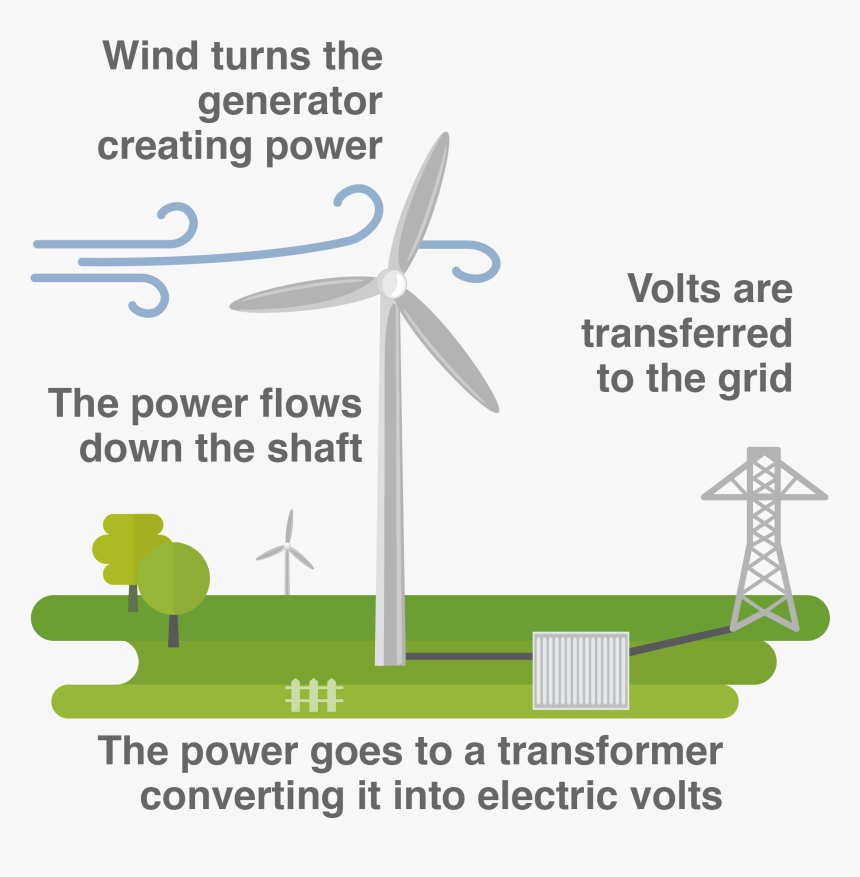
The core process of turning wind into electricity is surprisingly straightforward. It all begins with the wind itself. When the wind blows, it pushes against the turbine blades, causing them to rotate. These blades are connected to a rotor, which is essentially a shaft that spins. This spinning rotor is then connected to a gearbox (in most modern turbines). The gearbox increases the rotational speed, making it suitable for the generator.
Must Read
Here's where the real magic happens. The generator uses the principle of electromagnetic induction. Inside the generator, coils of wire rotate within a magnetic field. This movement creates an electrical current. Think of it like a tiny electric motor working in reverse! This electrical current is then converted to the appropriate voltage by a transformer and fed into the electrical grid, ready to power our homes, schools, and businesses.
Wind energy is already playing a significant role in our daily lives, often without us even realizing it. Many schools use wind energy to power their facilities, providing a tangible example of renewable energy in action. You might see wind turbine models used in science classes to demonstrate the principles of energy conversion. In some communities, homes are directly powered by wind farms, showcasing the practical application of this technology. Even seemingly small acts, like choosing to support companies committed to renewable energy, contribute to the growth of wind power.
Want to explore wind energy further? There are plenty of simple ways to get started. Try building a miniature wind turbine using cardboard, paper, and a small DC motor. Experiment with different blade designs to see which catches the wind most effectively. Visit a local science museum or science center that has exhibits on renewable energy. Research the wind farms in your region and learn about their impact on the local economy. You can even track the energy production of wind farms online through various websites. The key is to stay curious and explore the possibilities that wind energy offers. By understanding and embracing this technology, we can all contribute to a cleaner, more sustainable future powered by the wind.