
How Is The Solar Energy Produced

The Sun: Our Ultimate Power Source!
Ever wondered how we grab all that glorious sunshine and turn it into the energy that powers our world? It's not magic, but it sure feels like it! We're talking about taking the sun's incredible energy and giving it a job, right here on Earth.
Imagine a giant, cosmic furnace, constantly cooking up power for us. That's our magnificent Sun, chilling out 93 million miles away and just casually providing the ultimate clean energy solution.
The Sun's Secret Recipe: Fusion Fiesta!
So, how does the sun itself whip up all this energy? It’s basically a massive, ongoing atomic dance party! Deep in its fiery core, something incredible called nuclear fusion is happening.
Must Read
Think of it like this: hydrogen atoms, the sun’s favorite snack, are getting squished together under immense pressure and heat. They're basically forced to merge and become a new, heavier element – helium.
Now, here's the kicker: when these atoms fuse, a tiny bit of their mass doesn't make it into the new helium atom. That "missing" mass isn't truly gone; it gets instantly converted into a burst of pure energy!
"It's like a cosmic weight-loss program, but instead of shedding pounds, the sun sheds energy!"
This energy zips out in the form of tiny packets of light called photons. These photons are the ultimate energy carriers, beginning an epic journey from the sun's core, through its many layers, and eventually, heading straight for us.
Catching Sunshine: How Solar Panels Work Their Wonders
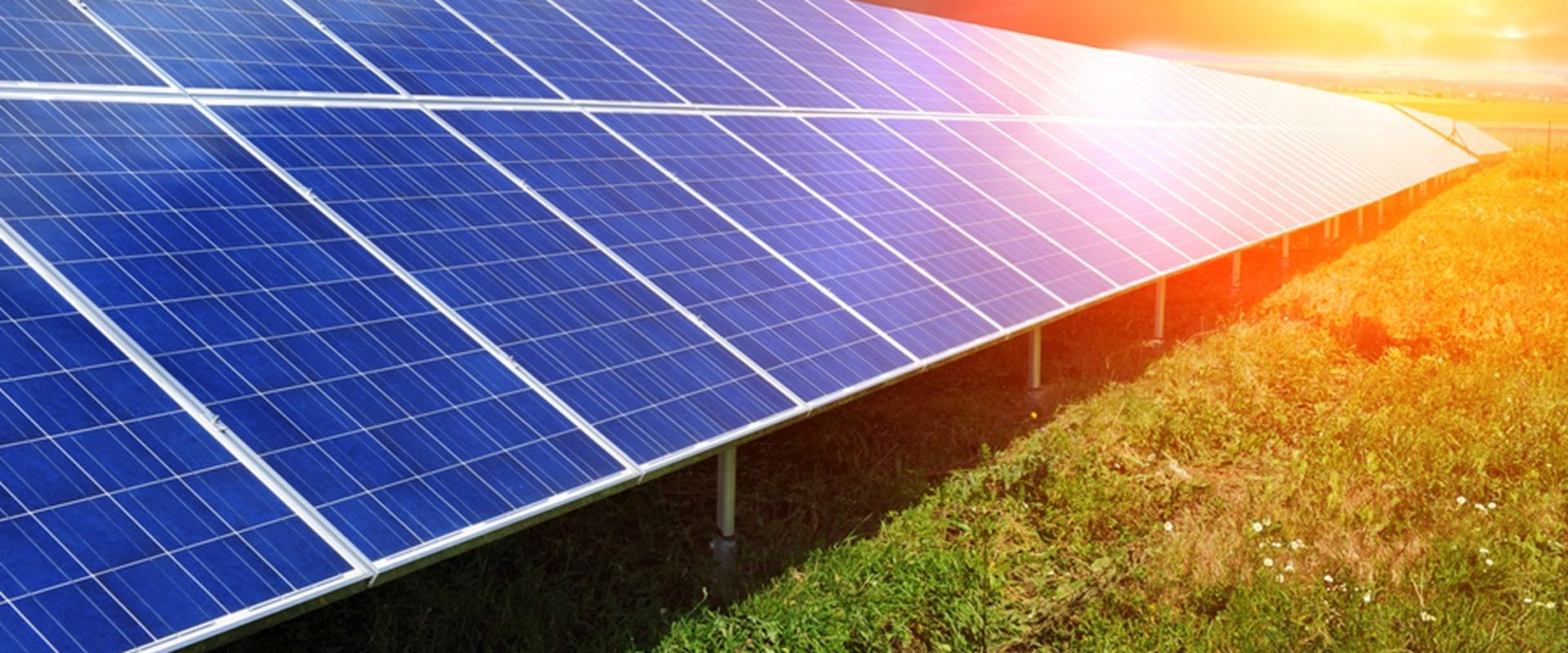
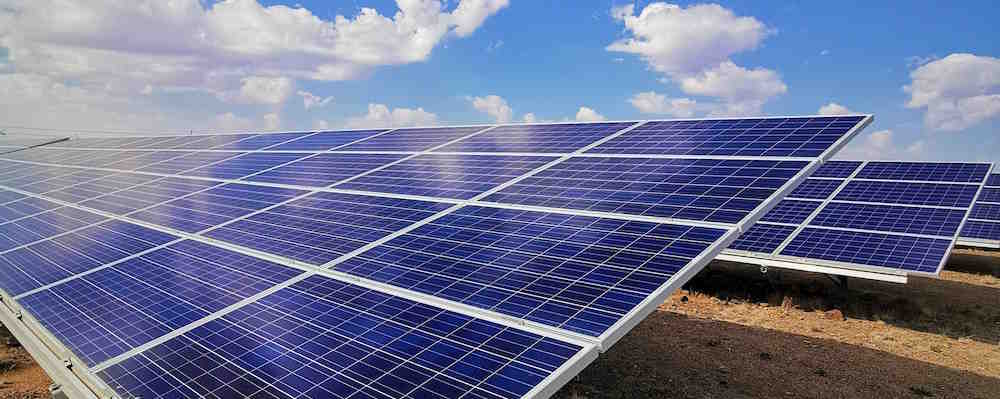
Okay, so the sun is making power like a boss. Now, how do we catch it? Enter the unsung heroes of clean energy: solar panels! These sleek, dark rectangles are our sunlight catchers, designed to snag those energetic photons.
Most solar panels are made up of many individual photovoltaic cells. And what are these cells made of? Mostly silicon, which is just super-purified sand! Who knew sand could be so super-powered?
The Electron Shuffle: Turning Light into Zap!
This is where the real show begins! When sunlight – those energetic little photons – hits a solar cell, it's like flicking a switch. The silicon material in the cell is specially prepared, typically with two different layers.
One layer, the n-type silicon, has a few extra electrons buzzing around. The other layer, the p-type silicon, has tiny "holes" where electrons should be.
When a photon from the sun crashes into an atom in the silicon, it gives a jolt of energy. This jolt is often enough to knock an electron loose from its atom.
Imagine it like a tiny, energetic pinball machine: the photon is the ball, and the electrons are the targets!
Because of the way the n-type and p-type silicon are layered, those newly freed electrons get a one-way ticket to the n-type side. This creates an electric imbalance, like a tiny battery waiting to be connected.

"The sun is basically playing a game of 'knock-knock' on the silicon's door, and electrons answer with a joyful jump!"
When you connect a wire to the cell, those eager electrons, wanting to get back to the "holes" they left behind, have to travel through that wire. And guess what a flow of electrons is? That’s right, it’s electricity!
From Panel to Plug: Getting Power to Your Home
The electricity produced directly by a solar panel is called Direct Current (DC). Think of DC as electrons marching steadily in one direction, like soldiers on parade.
However, most of our homes and appliances are designed to use Alternating Current (AC). AC is where electrons like to dance back and forth, changing direction many times a second.
So, we need a special gadget to translate between the two! This amazing device is called an inverter. The inverter takes that steady DC power from your panels and turns it into the funky, dancing AC power your house loves.
Once the power is converted to AC, it flows straight into your home's electrical panel, ready to light up your rooms, power your fridge, and charge your devices.
If your solar panels are making more electricity than your home is currently using, that extra power doesn't just disappear! It can be sent back to the main electrical grid, often earning you credits on your energy bill.
It’s like sharing your delicious homemade cookies with the neighborhood, and getting a thank-you note (or a credit!) for your generosity.
Beyond Panels: Other Sunny Solutions
While photovoltaic panels are the most common way to turn sunlight into electricity, there are other cool tricks the sun plays!
Solar Thermal: Hot Water, Anyone?
Some systems use the sun's heat directly to warm things up. These are called solar thermal systems. Think of black pipes on your roof, absorbing sunlight to heat water for your shower or home.
It's like leaving a garden hose out in the sun on a hot day – the water inside gets warm! Solar thermal just does it super efficiently and on purpose.
Concentrated Solar Power (CSP): Giant Magnifying Glasses!
For large-scale power generation, some plants use Concentrated Solar Power (CSP). These setups use thousands of mirrors to focus massive amounts of sunlight onto a central receiver.
This focused sunlight creates intense heat, often boiling water to create steam. That steam then drives turbines, much like in a traditional power plant, to generate electricity.
It’s like having a gigantic magnifying glass that cooks up electricity instead of just scorching ants!
The Sun: Our Ever-Reliable, Radiant Friend
From the fiery dance of fusion in its core to the clever engineering of solar panels on our rooftops, the journey of solar energy is truly captivating.
It's a testament to the incredible power of our sun and our ingenuity in harnessing it. Every flicker of light you see from a solar-powered bulb is a tiny piece of the sun's ancient, powerful journey.
So next time you feel that warm sun on your face, give a little nod to our star. It’s not just brightening your day; it’s quietly powering your world, too!