How Is The Frequency Of Vibrations Measured
Ever wondered what makes a hummingbird's wings blur, or how your favorite song manages to give you goosebumps? The answer, in part, lies in vibrations! We often talk about "good vibes" or feeling someone's "energy," but underlying these concepts is the very real science of measuring vibration frequency. It might sound complex, but it's surprisingly accessible and offers a fascinating peek into the world around us.
For artists, hobbyists, and even just curious individuals, understanding how vibration frequency is measured can unlock a whole new level of creative exploration. Musicians, for example, can use this knowledge to fine-tune their instruments with incredible precision, ensuring each note resonates perfectly. Dancers can explore how different tempos and rhythms (vibrational frequencies in music) affect movement and emotion. Even visual artists can draw inspiration from the patterns created by vibrations, known as cymatics, to create stunning abstract pieces.
The benefits extend beyond the purely artistic. Imagine a woodworker using a frequency analyzer to identify the perfect resonant frequency of a piece of wood for a musical instrument. Or a photographer capturing the mesmerizing patterns formed by sound waves rippling through water. Think of the applications in sound design for film, where precise manipulation of frequencies creates immersive and believable sonic landscapes. The possibilities are truly endless!
Must Read
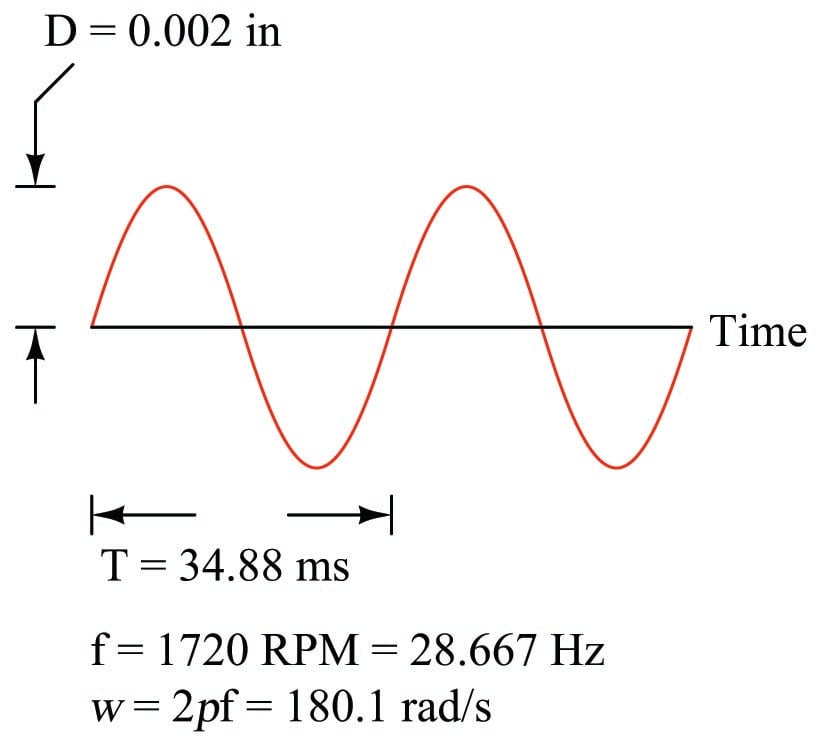
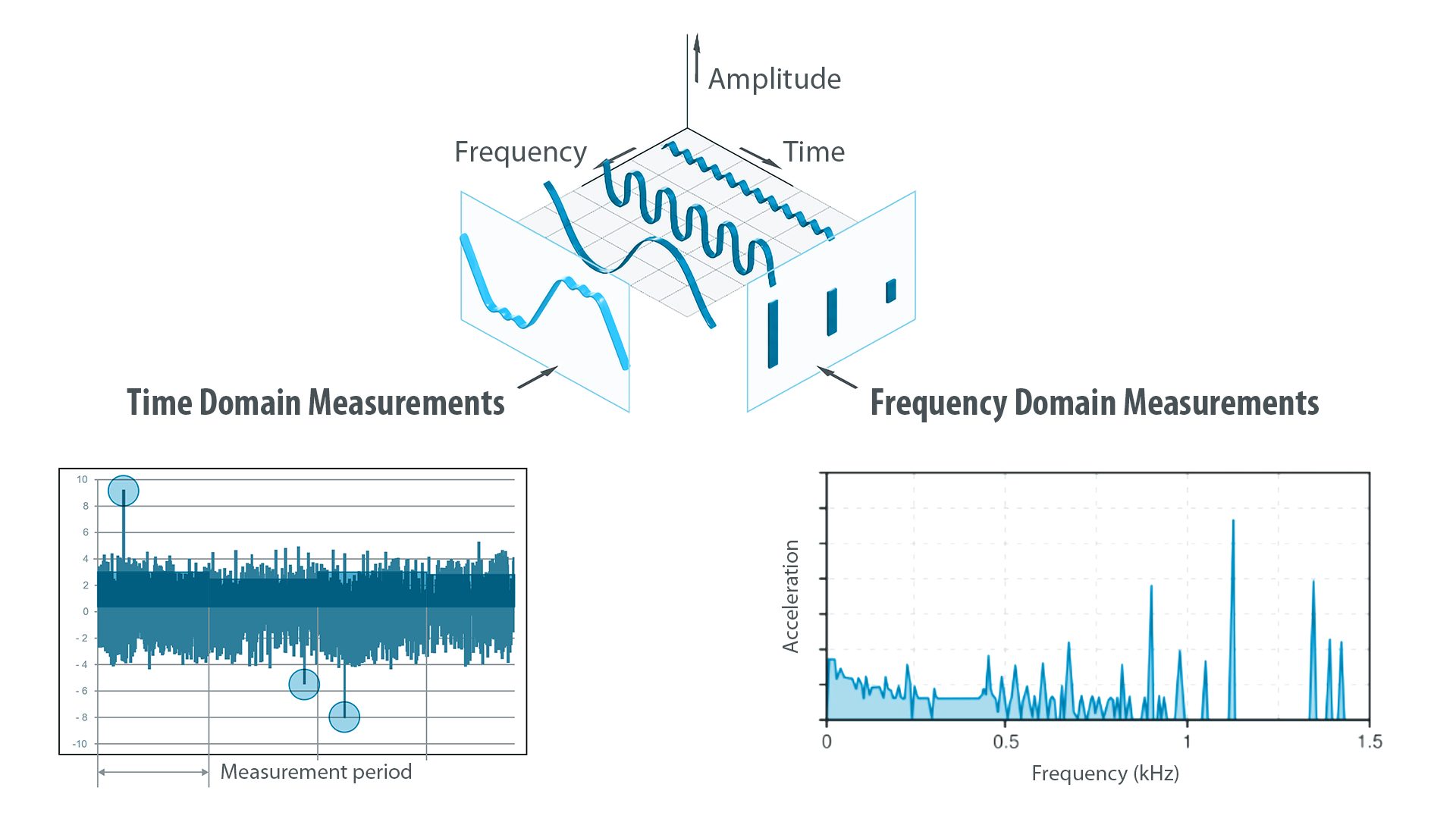
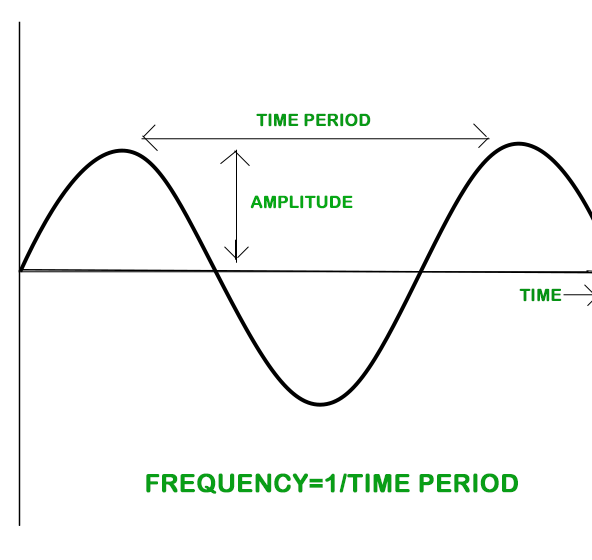
So, how do we actually measure these vibrations? While sophisticated equipment exists, you can start exploring at home with a few simple tools. A smartphone app that analyzes sound frequencies can be a great starting point. Try recording different sounds – a tuning fork, a plucked guitar string, or even your own voice – and observing the frequency readings. You'll quickly see how different sounds correspond to different frequencies, measured in Hertz (Hz), which represents cycles per second. Another fun experiment involves creating a simple cymatics device using a metal plate, a speaker, and some sand or salt. By playing different frequencies through the speaker, you can visualize the resulting patterns on the plate. The higher the frequency, the more complex and intricate the patterns become.
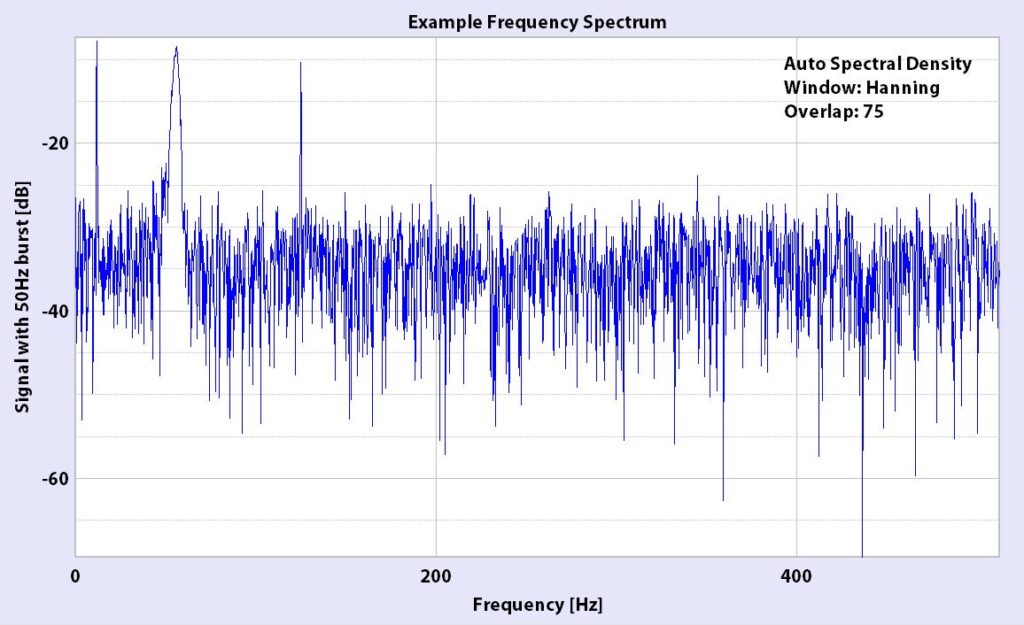
Experiment with different variables. Does the material vibrating change the frequency produced? Does the size or shape of the object impact the sound it makes? Try vibrating different objects (safely, of course!) and observe how the measured frequency changes. Research different instruments like the Theremin. Its sound is based on varying frequency oscillations.
Understanding vibration frequency isn't just about scientific accuracy; it's about connecting with the world on a deeper level. It's about recognizing the underlying patterns and rhythms that shape our experiences. And, ultimately, it's about finding joy in the subtle details and the invisible forces that surround us every day. Exploring the measurement of vibrations is an incredibly rewarding process. So go ahead, dive in, and discover the fascinating world of vibrations!