
How Is Solar Energy Helpful To The Environment
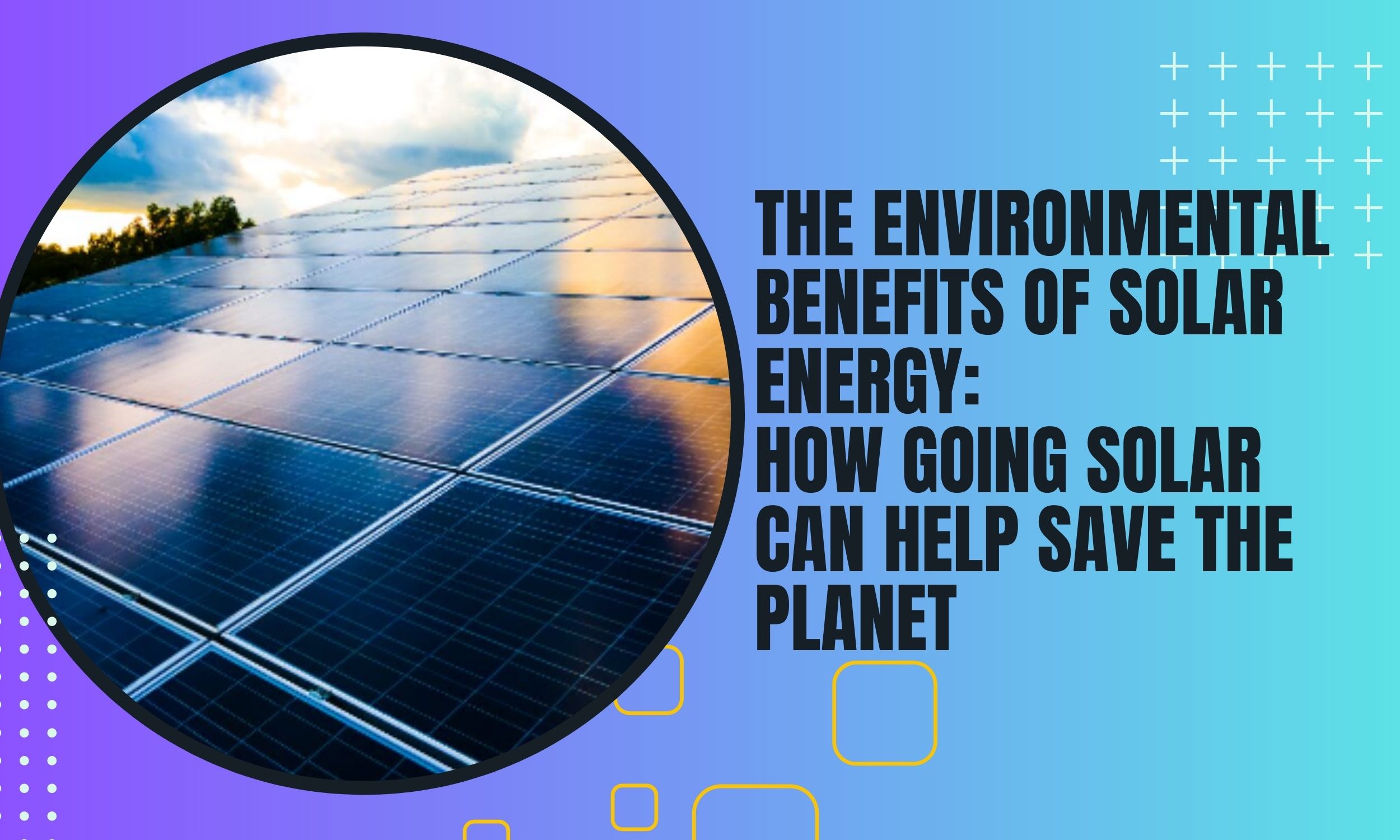
Ever wondered how that shiny panel on your neighbor's roof helps the planet? Or maybe you've seen solar panels popping up in unexpected places, like powering park benches or even charging stations for electric cars. Learning about solar energy isn't just about understanding a cool technology; it's about understanding how we can create a cleaner, healthier future. It's surprisingly fascinating, and definitely something worth exploring!
So, what's the big deal with solar energy? Simply put, it's harnessing the power of the sun – a virtually limitless and freely available resource – to generate electricity. Its primary purpose is to provide us with a source of energy that doesn't rely on burning fossil fuels like coal, oil, and natural gas. These fossil fuels are the main drivers of climate change, releasing harmful greenhouse gases into the atmosphere when burned. Switching to solar energy helps significantly reduce our carbon footprint and combat the effects of global warming.
The benefits of solar energy are plentiful. First and foremost, it's renewable. The sun isn't going anywhere anytime soon! Unlike fossil fuels, which are finite and will eventually run out, solar energy is a sustainable resource for generations to come. Secondly, solar energy is clean. It produces little to no pollution during operation, protecting our air and water quality. This is a huge win for public health and the environment. Finally, it promotes energy independence. By generating our own electricity from the sun, we reduce our reliance on foreign energy sources and create a more stable energy supply.
Must Read
Solar energy is already making a splash in education and daily life. Schools are increasingly installing solar panels on their roofs, not only to save money on electricity bills but also to teach students about renewable energy and environmental stewardship. Some universities even have entire solar farms, serving as living laboratories for engineering and environmental science students. In our daily lives, we see solar-powered gadgets everywhere – from garden lights and calculators to backpacks with built-in solar chargers. Many homes are equipped with rooftop solar panels, allowing families to generate their own electricity and reduce their dependence on the grid. You might even see large-scale solar farms sprawling across fields, feeding clean energy into the power grid for entire communities.
Want to explore solar energy further? There are lots of easy ways to get started! Visit a local science museum or nature center that features exhibits on renewable energy. Research solar panel installations in your community and see if you can take a tour. Even simpler, try a small experiment: use a solar-powered phone charger or calculator and observe how it works. Look up information about the different types of solar panels and how they convert sunlight into electricity. Check out online resources from organizations like the National Renewable Energy Laboratory (NREL) for in-depth information and educational materials. Understanding and embracing solar energy is a crucial step toward a more sustainable and environmentally friendly future. So, go ahead, soak up some knowledge about the power of the sun!


.png)