
How Is Oil Natural Gas Formed
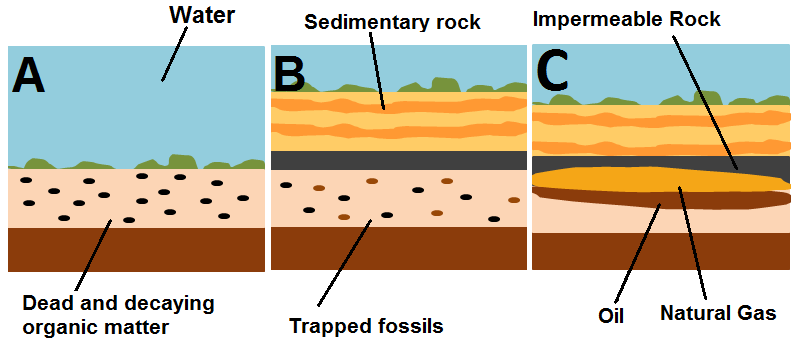
Ever wondered where the fuel for your car or the gas for your stove actually comes from? It's not just pulled out of thin air! The story of how oil and natural gas are formed is a truly mind-boggling journey through time, billions of years in the making, and it’s surprisingly easy to grasp the basics. Understanding this process connects us directly to the ancient Earth and the incredible power of geology. It’s a bit like being a detective, uncovering clues from the planet's distant past, and realizing just how intricately linked our modern lives are to events that happened eons ago. Plus, it gives you a fantastic party fact to share!
This fascinating topic offers something for everyone. For beginners, it’s a wonderful way to demystify where our primary energy sources originate, transforming a complex idea into an understandable narrative. Families can turn it into an educational adventure; imagine looking at a fossil and realizing it’s a tiny piece of the same grand story! It’s a great conversation starter about Earth's history and the resources we use daily. And for hobbyists, whether you're into geology, environmental science, or just a curious mind, delving into the specifics of hydrocarbon formation deepens your appreciation for Earth’s dynamic systems and the delicate balance of resource creation and consumption.
So, how does it all happen? It starts with tiny, ancient organisms – mostly microscopic marine plants and animals like plankton and algae. When these creatures died millions of years ago, their remains settled on the bottom of ancient oceans or lakes. Instead of decomposing completely, they got buried under layers of sediment – think mud, sand, and other debris. Over vast stretches of time, as more and more layers piled up, the organic matter was subjected to intense heat and pressure. This is the magic ingredient! This extreme environment literally "cooked" the organic material. Depending on the exact conditions – how much heat, how much pressure, and for how long – these organic remains transformed. Some became crude oil, a thick, black liquid, while others, under even higher temperatures, turned into natural gas, a lighter, gaseous form. Coal, another fossil fuel, is formed in a similar way but predominantly from land-based plant matter in swampy environments. Each type of fossil fuel is a unique blend, a snapshot of specific conditions deep within the Earth.
Must Read
Ready to explore this ancient history further? A great "getting started" tip is to visit a natural history museum. Look for exhibits on dinosaurs, fossils, or geological history – you’ll see the very building blocks of the story! Watching documentaries on Earth's deep past or energy resources can also bring these millions of years to life. Even just observing the world around you and thinking about how many products – from plastics to fuels – rely on these ancient transformations can spark your curiosity. It’s about cultivating an awareness of the unseen processes that underpin our modern world.
Understanding how oil and natural gas are formed isn’t just about science; it’s about appreciating the incredible, slow-burning engine of our planet. It’s a story of life, death, immense pressure, and unimaginable time, all culminating in the energy that powers much of our world. It’s a truly humbling and endlessly fascinating journey from microscopic ancient life to the modern age, offering a deeper connection to the Earth beneath our feet.


