How Is Oil Made In The Earth

Ever sipped your morning coffee and wondered about the incredible journey that little drop of oil in your car took to get there? Most of us just think, "Oil! It's from the Earth!" and then promptly forget about it, probably because remembering makes our brains feel as dense as crude oil itself. But trust me, the origin story of oil is way more dramatic, ancient, and honestly, a little grosser than you might imagine. It’s not just some random goo; it’s the ultimate geological reality show, spanning millions of years!
The Great Un-Living Ingredients List
First things first: forget about those magnificent, roaring dinosaurs. While a T-Rex might make a cool poster for an oil company, they’re largely irrelevant to oil formation. Shocking, right? The vast majority of our precious black gold comes from something far smaller and much, much slimier: tiny, microscopic marine organisms like plankton and algae, mixed with a sprinkle of ancient plants.
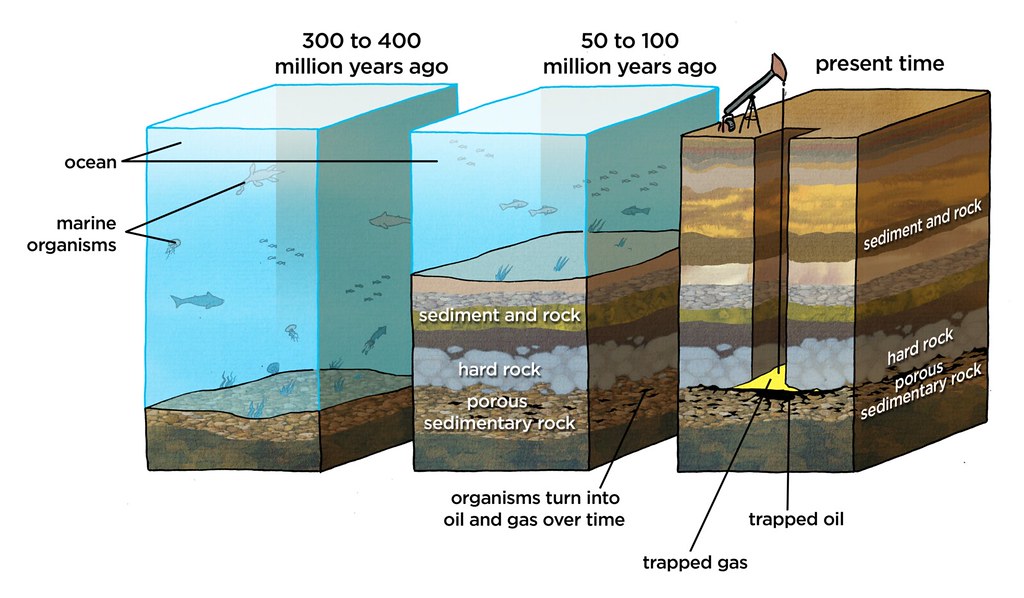
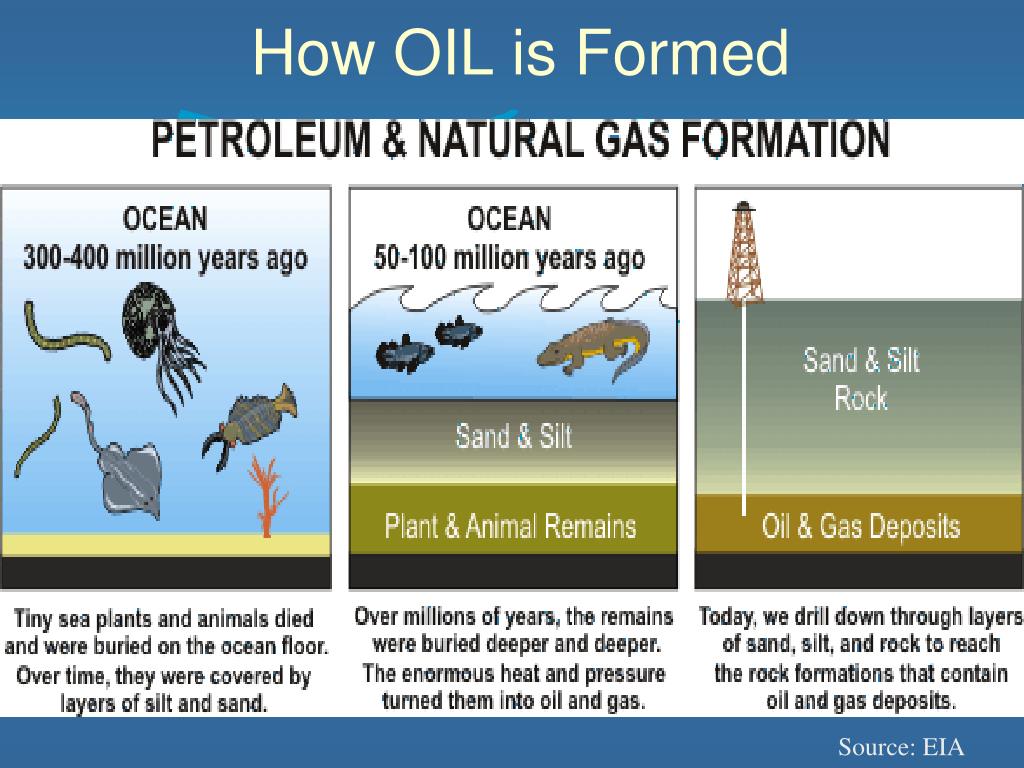
Imagine the ancient oceans, teeming with these minuscule critters. When they eventually kicked the bucket (as all things do), they didn't just float away. Oh no. They gently, slowly, majestically drifted down to the seabed. Think of it as the most incredibly slow-motion confetti drop, but with dead organisms. Over millions of years, these organic remains accumulated, forming thick layers of what scientists politely call organic-rich sediment. I like to think of it as the Earth's original, incredibly pungent compost heap.
Must Read
The Earth's Ultimate Pressure Cooker
Now, this is where things get interesting. Once our little deceased friends settled at the bottom, they started getting buried. And I mean seriously buried. Layer upon layer of sand, silt, and mud piled on top, courtesy of rivers and erosion. We're talking kilometres of rock, folks! If you thought your duvet was heavy, try having a mountain range on your head.
This immense burial created two crucial conditions: pressure and heat. The deeper you go, the hotter it gets, thanks to the Earth's internal furnace (a.k.a. the geothermal gradient). It’s like the Earth decided to put all those squished-up organic bits into a giant, slow-cooking pressure cooker. For millions of years! Talk about a long simmer.
From Goo to Gunk: The Kerogen Phase
Under this unimaginable pressure and heat, those original organic molecules started to change. They couldn't stay as cute little plankton bits forever, could they? Instead, they underwent a chemical transformation, losing oxygen and hydrogen, and eventually turning into a waxy, insoluble substance called kerogen. Think of kerogen as the awkward teenage phase of oil; it’s not quite oil yet, but it’s definitely not plankton anymore.
This kerogen needs just the right amount of heat and pressure to continue its transformation. Too little, and it stays as kerogen, forming something called oil shale. Too much, and it breaks down even further, into natural gas. It’s a bit like baking a cake – too cool, and it’s dough; too hot, and it’s charcoal. The Earth has to be just right, a geological Goldilocks zone, for that sweet, sweet crude to form.
The Great Migration: Oil on the Move
So, we have oil! Hooray! But it doesn't just form in big, convenient underground swimming pools. Oh no. When it first forms, it's tiny droplets dispersed within the source rock, usually a fine-grained shale. This is where the oil gets its wanderlust.
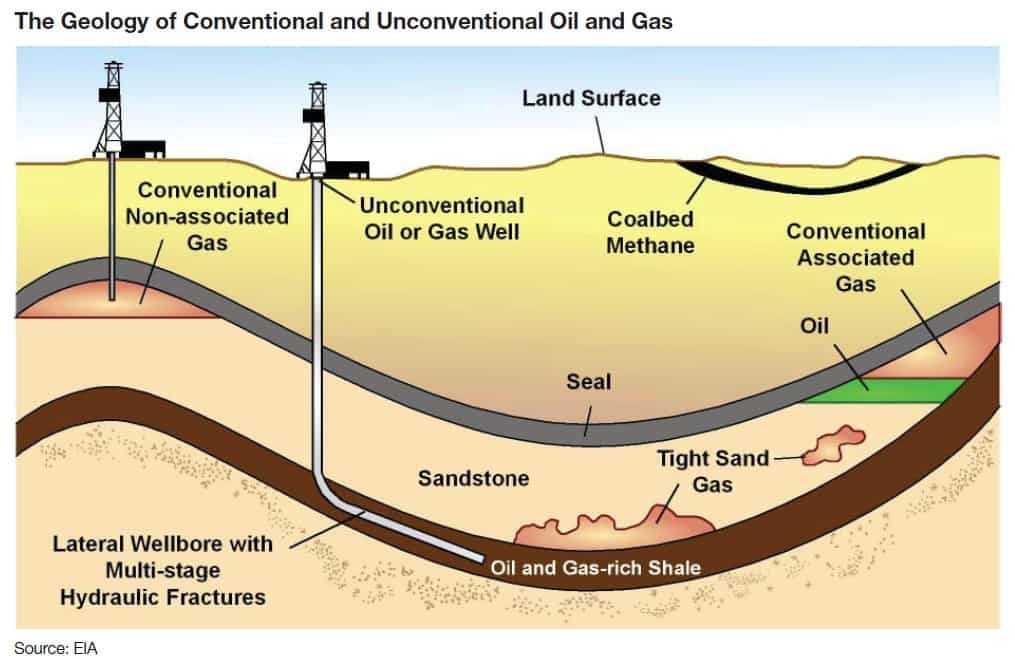
Being less dense than water (which is abundant underground) and under incredible pressure, these oil droplets start to migrate. They literally get squeezed out of the source rock, like water from a sponge, and begin to move upwards through more porous rocks – think sandstone or limestone – until they hit an impermeable layer of rock. This acts like a cap, trapping the oil, and often some natural gas, in what we call a reservoir rock. And voilà! An oil field is born, ready for us humans to eventually come along with our drills and extract it.
It’s an astonishing process, really. Millions of years, unimaginable pressures, temperatures that would make your head spin, and tiny organisms turning into the fuel that powers our modern world. So, the next time you fill up your tank, just remember that you're literally running on ancient, highly processed marine goo. A truly humbling and mildly hilarious thought, wouldn't you agree?