How Is Oil Formed In The Earth
Have you ever marvelled at the sheer complexity of our modern world, powered by cars, planes, and countless everyday items? Much of this incredible machinery runs on a liquid gold we call oil. But have you ever stopped to wonder where this vital resource actually comes from? It’s not just bubbling up from some underground spring! The story of oil formation is an epic tale spanning millions of years, involving tiny ancient organisms and immense geological forces. Understanding it isn't just a fascinating peek into Earth's history; it helps us appreciate the finite nature of this incredible energy source and the ingenious ways nature creates what we often take for granted. It’s a journey from microscopic life to modern energy, and it's far more captivating than you might imagine!
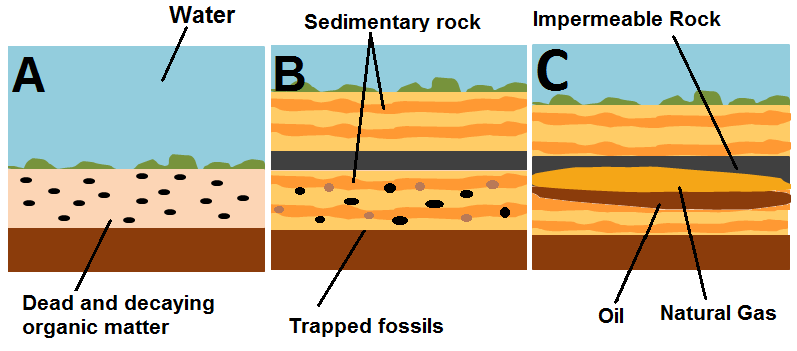
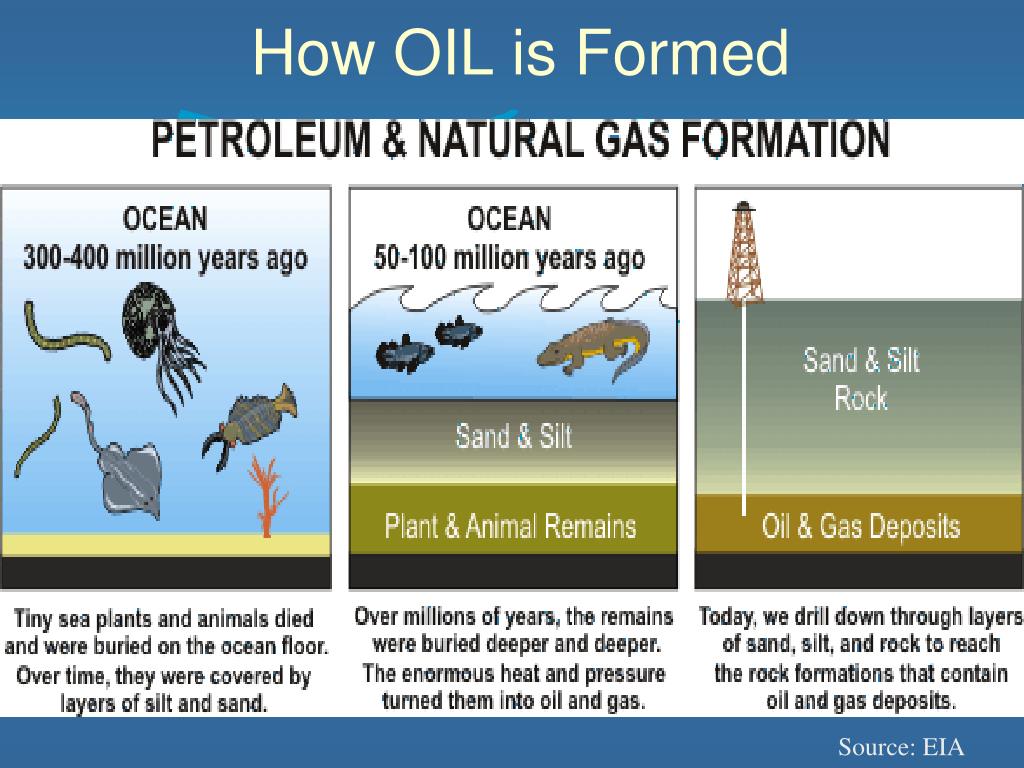
Our story begins not with dinosaurs, but with something far smaller: microscopic marine life. Imagine ancient oceans teeming with countless tiny plants and animals – things like plankton and algae. These tiny organisms floated near the surface, harnessing the sun's energy, just like plants do today. When these creatures died, their remains didn't just vanish. Instead, they gently drifted down to the seafloor, accumulating in vast, thick layers. These deep-sea environments were often low in oxygen, which was crucial because it prevented the organic matter from fully decomposing. Over millennia, these layers of organic-rich mud mixed with sediments like sand and silt, forming a gooey, primeval soup.
Now, the real magic (and geology!) begins. As more and more layers of sediment piled up on top – carried by rivers, winds, and other geological processes – the buried organic matter experienced increasing pressure and temperature. Imagine literally billions of tons of rock pressing down! This incredible compression squeezed out water and gradually solidified the sediments into rock. The organic goo, now under immense heat and pressure, began its slow transformation. This is where the magic word, kerogen, comes into play. Kerogen is a waxy, insoluble organic material formed from the decaying remains of those ancient organisms, a halfway house on the path to oil and natural gas.
Must Read
As burial continued and temperatures climbed further (but not too high!), the kerogen entered what geologists call the "oil window." This is a specific range of temperature and pressure – typically between 60°C and 150°C (140°F and 300°F) – where the long hydrocarbon chains within the kerogen start to break down and rearrange themselves into lighter, more fluid compounds: crude oil and natural gas. If the temperatures get too high, the oil will continue to "cook" and break down further, primarily forming natural gas. If the temperatures aren't high enough, the kerogen simply remains kerogen, never fully transforming into the liquid fuel we use.
Once formed, this newly created oil doesn't just sit there. It’s often generated in a rock called the "source rock," which isn't always where we find it today. Because oil is less dense than water and the surrounding rock, it begins to migrate. It seeps and flows upwards through tiny pores and cracks in more permeable rocks, moving like water through a sponge. This migration continues until it encounters an impermeable layer of rock, known as a "cap rock," which acts like a lid. Geological structures like folds, faults, or salt domes can create these underground traps, pooling the oil into vast reservoirs that we can then discover and tap into. It’s an extraordinary journey, taking tens to hundreds of millions of years, all from tiny marine life to the fuel that powers our world!