How Is Nuclear Energy Used Today
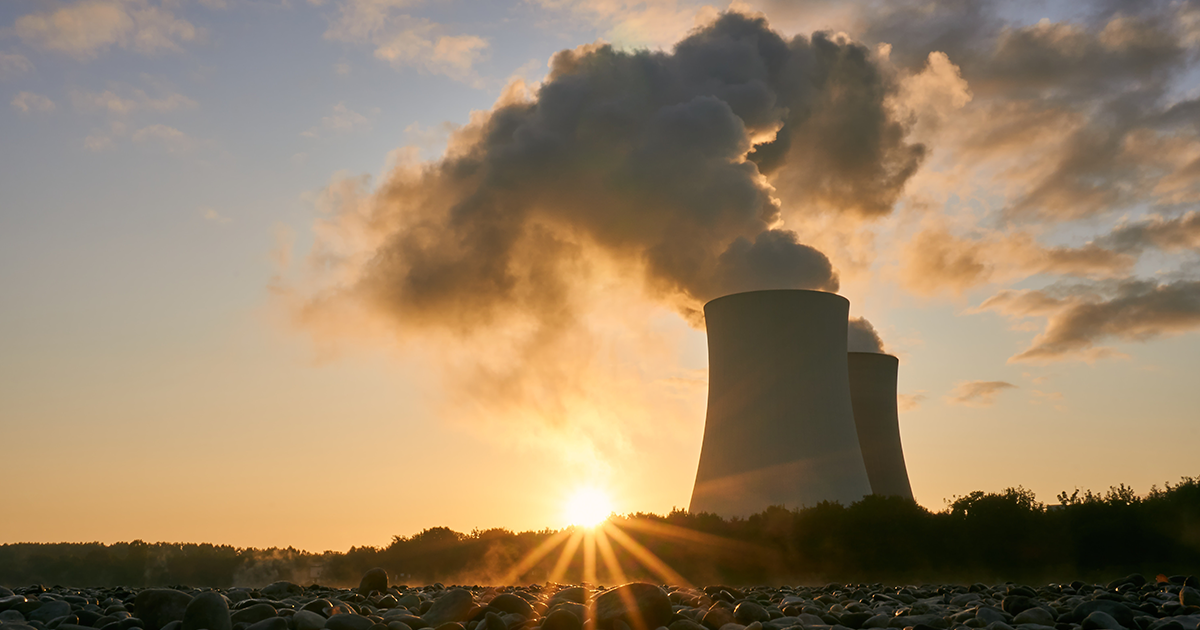
Alright, let’s talk nuclear energy. Before you picture glowing green goo or a cartoon villain’s lair, let’s hit the pause button. Because, honestly, nuclear energy today is a lot more like that reliable friend who always shows up with snacks, rather than the wild card. It’s pretty much woven into the fabric of our everyday lives, often without us even realizing it.
Think about it this way: Remember that time you desperately needed to charge your phone, but the power was out? Or when your Netflix binge was cruelly interrupted? Well, a significant chunk of the juice keeping our modern lives humming along actually comes from nuclear power plants.
Keeping the Lights On (and Your Wi-Fi Blazing!)
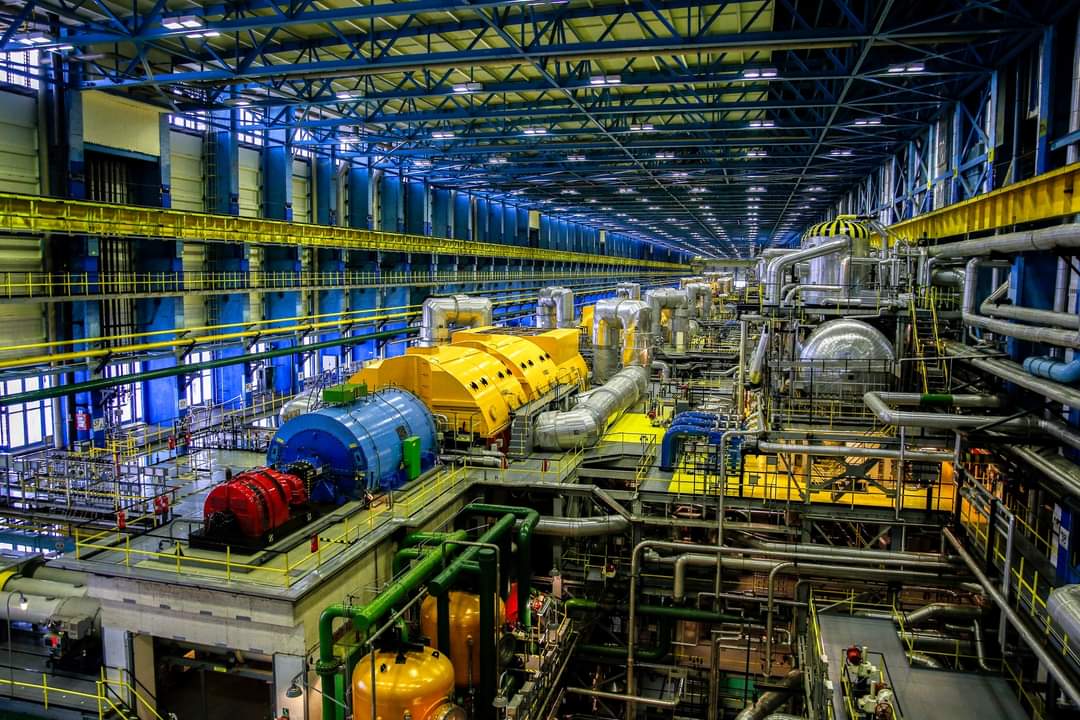
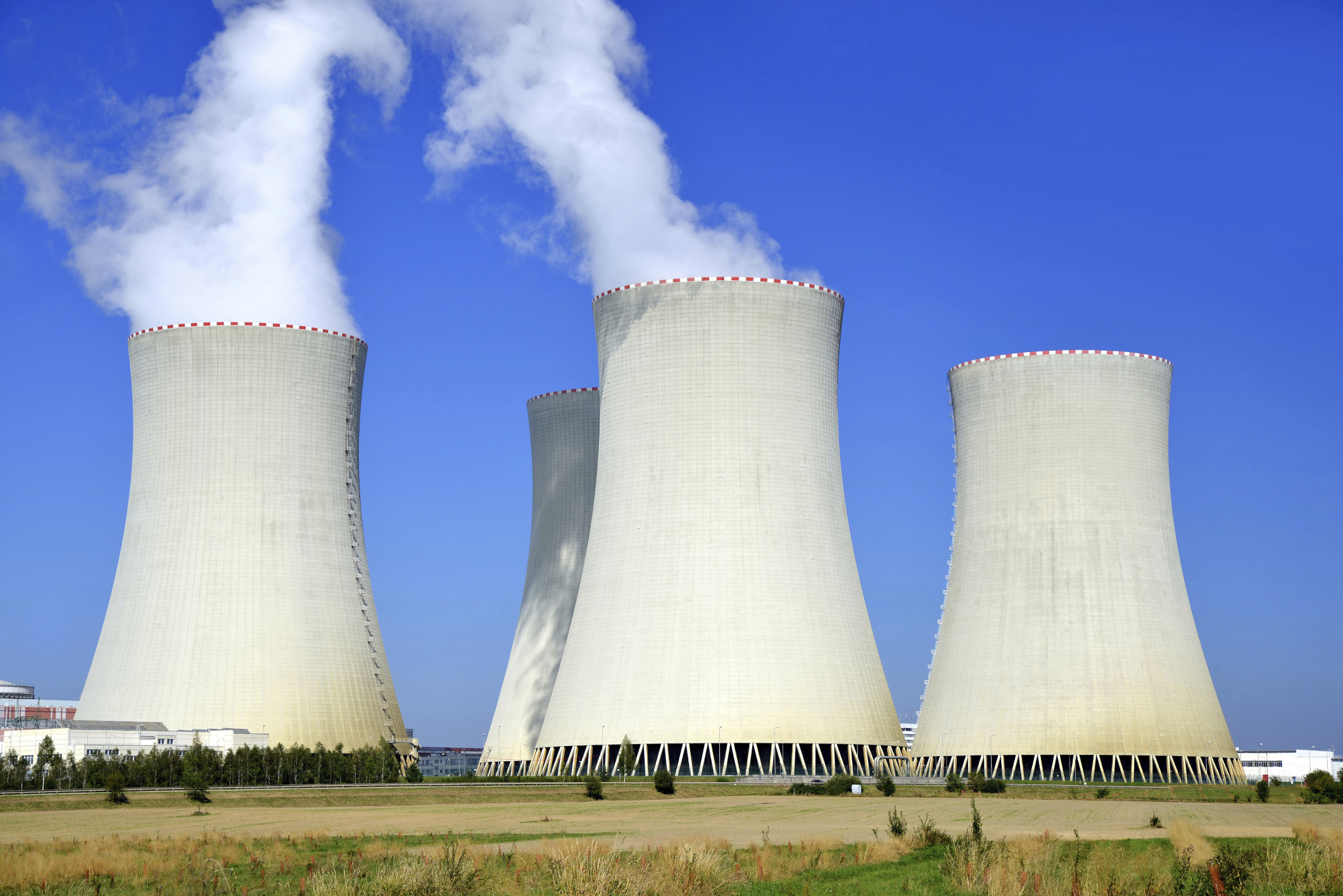
The biggest, most obvious use of nuclear energy is generating electricity. It’s the ultimate silent workhorse. Imagine a massive, super-efficient kettle that boils water to create steam. That steam then spins giant turbines, which are basically super-sized versions of those little pinwheels you made as a kid, but instead of just looking pretty, they’re churning out power for millions of homes and businesses.
Must Read
Unlike a finicky solar panel that needs sunshine or a wind turbine that demands a breeze, a nuclear plant can run 24/7, come rain or shine, wind or calm. It’s like having a fridge that never runs out of ice – utterly dependable. So, when you’re scrolling through TikTok or blasting your favourite tunes, there’s a good chance nuclear energy is quietly doing its part to keep your devices charged.
Tiny Detectives and Healers: Nuclear in Medicine
This is where it gets really interesting and truly touches lives. Nuclear energy isn't just about giant power plants; it's also about tiny, targeted tools in medicine. Ever heard of a PET scan or radiation therapy? Yep, nuclear energy is often the unsung hero there.

Think of it like this: doctors use incredibly small, specially designed radioactive materials (called radioisotopes) as microscopic detectives. They can inject these into your body, and these tiny particles travel around, highlighting problems that regular scans might miss. It’s like giving your internal organs a special highlighter pen so doctors can see exactly what’s going on.
For cancer treatment, it's even more precise. Radiation therapy uses controlled doses of radiation to target and destroy cancerous cells, leaving healthy ones largely untouched. It’s like having a surgeon with laser-sharp precision, but instead of a scalpel, they're using invisible rays to zap the bad guys. Many people you know have probably benefited from this without ever thinking, "Hey, thanks, nuclear energy!"
Industrial Sidekicks: From Sterilization to Space
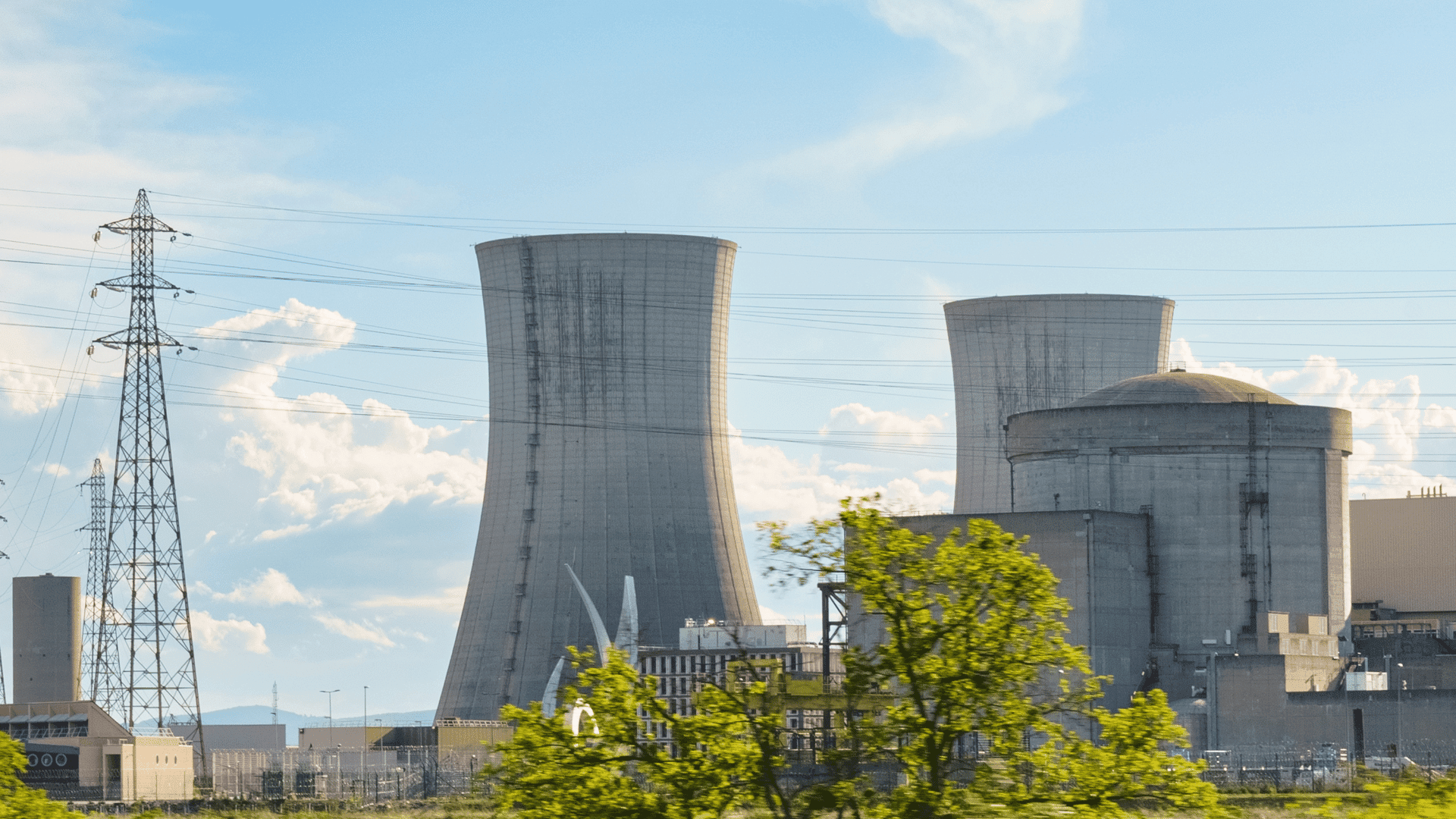
Beyond medicine, nuclear applications are surprisingly diverse. For example, some medical equipment is sterilized using radiation to ensure it’s squeaky clean and safe for patients. It's like giving everything an invisible, super-thorough disinfectant bath.
In industry, nuclear technology helps ensure quality control. Manufacturers use tiny radioactive sources to measure the thickness of paper, plastic, or metal, making sure your cereal box is sturdy and your car parts are just right. It's like giving factories X-ray vision to check their products.
And for the truly out-of-this-world applications, let’s talk space. Many deep-space probes and rovers – those intrepid explorers that snap stunning photos of Mars or Jupiter – are powered by small nuclear generators. These RTGs (radioisotope thermoelectric generators, if you’re feeling fancy) provide reliable power for decades, far from the sun where solar panels would be useless. They’re the ultimate long-life batteries for our interstellar adventurers, keeping them warm and operational in the frigid, dark reaches of space.
The Quiet Contributor
So, the next time you flip a light switch, get an important medical test, or marvel at a picture from another planet, give a little nod to nuclear energy. It’s not just about power plants; it’s a versatile, behind-the-scenes player that’s quietly making our lives safer, healthier, and a whole lot more connected. It’s definitely not just for sci-fi movies anymore!