How Is Natural Gas Non Renewable

Ever wonder about the energy that warms your home, cooks your dinner, or even powers the lights? It's a huge part of our daily lives, yet many of us don't often stop to think about where it actually comes from or what its future holds. Today, we're diving into a super interesting, and frankly, pretty important topic: how natural gas is non-renewable. Don't worry, we're keeping it light and easy-going – no complicated science degrees required! Understanding our energy sources isn't just for experts; it's a fascinating way to connect with the world around us and make smarter choices for tomorrow. It's like unraveling a big puzzle that directly impacts your wallet, your comfort, and the planet!
So, why is this topic so useful and for whom? Well, for beginners, it's a fantastic stepping stone to understanding basic energy concepts. You'll finally grasp why terms like "fossil fuels" and "renewable energy" are always popping up in the news. For families, this knowledge is a superpower! It sparks conversations about energy conservation at home, helps you make more informed decisions when buying appliances, and even offers a great way to teach kids about sustainability from an early age. Imagine explaining why turning off lights isn't just about saving money, but about something much bigger! And for the budding hobbyists, perhaps those interested in eco-friendly living or DIY sustainable projects, understanding natural gas's finite nature provides crucial context for exploring alternative energy solutions and making truly green choices.
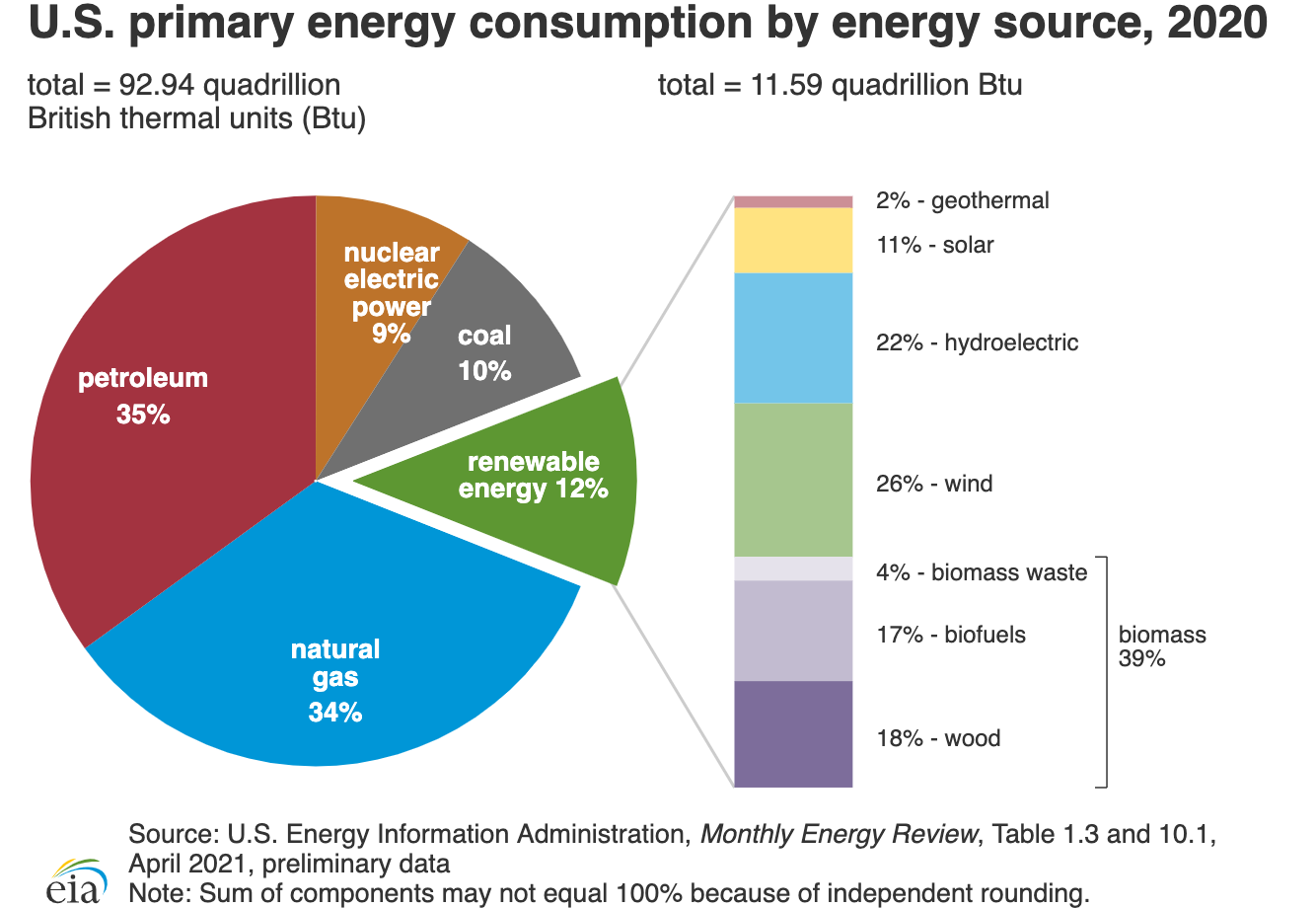
Let's get to the nitty-gritty of how it's non-renewable without getting bogged down. Think of natural gas as a treasure buried deep underground. But it's not gold; it's the result of ancient plant and animal matter that got trapped under layers of rock, mud, and sediment millions upon millions of years ago. Over these immense timescales, intense heat and pressure transformed this organic material into what we now know as natural gas (and also crude oil and coal – our other "fossil fuel" cousins). The key here is the "millions of years" part. When we use natural gas, we're consuming something that took an incomprehensibly long time for nature to create. We're essentially using up a resource much, much faster than the Earth can ever hope to replenish it. This is the fundamental difference between it and, say, solar power, which comes from the sun every single day, or wind power, which is always blowing somewhere!
Must Read
Feeling inspired to learn more or even make a small change? Here are some simple, practical tips to get started. First, just pay attention. Notice when you use natural gas in your home – perhaps for your stove, water heater, or furnace. Second, take a peek at your utility bill. It often shows how much energy you're consuming. Third, try a tiny experiment: for one week, be extra mindful of turning off lights and unplugging electronics when not in use. While these small actions might seem unrelated to natural gas, they build an overall awareness of energy consumption. Finally, spark a conversation! Chat with a friend or family member about where your energy comes from. You might be surprised by what you both learn!
Understanding natural gas and its non-renewable nature isn't about doom and gloom; it's about empowerment. It gives us a clearer picture of our energy landscape, allowing us to make more conscious, informed decisions in our daily lives. From simple changes at home to bigger discussions about our energy future, knowing this little fact about natural gas opens up a whole world of possibilities for a more sustainable and enjoyable tomorrow.