How Is Natural Gas Converted Into Electricity

Ever flick a light switch and wonder where that instant illumination comes from? While renewable sources are gaining traction, a significant portion of our electricity still originates from good old natural gas. It's a fascinating process, and understanding how natural gas gets transformed into the power that fuels our lives is surprisingly engaging. After all, we're talking about turning something we often associate with heating our homes into the very electrons that power our smartphones and computers!
The fundamental purpose of converting natural gas into electricity is, well, to generate electricity! Natural gas, primarily composed of methane, is a highly efficient fuel source. By burning it, we release a large amount of energy which can then be harnessed and converted into a form we can readily use to power our homes, businesses, and industries. The benefits are considerable. Compared to older technologies like coal-fired power plants, natural gas combustion generally produces fewer emissions, including significantly less sulfur dioxide and particulate matter, contributing to cleaner air. It's also a readily available and relatively inexpensive fuel source, making it a crucial part of many countries' energy portfolios.
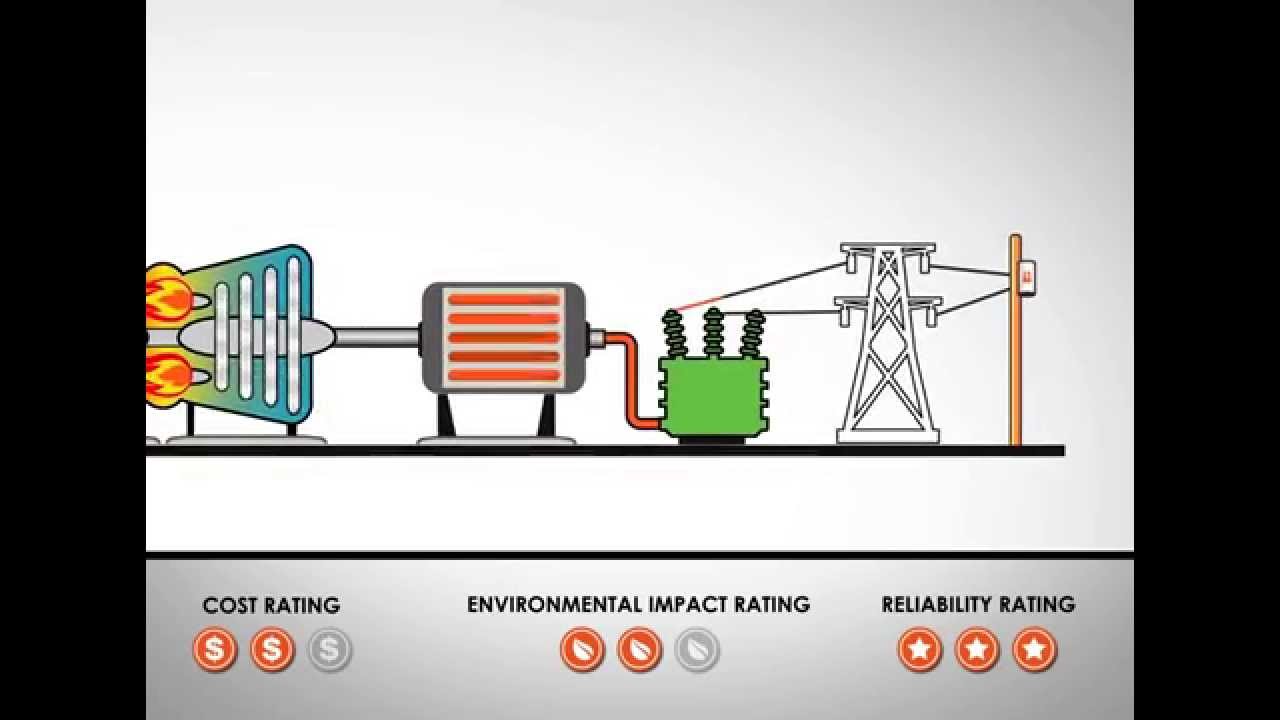
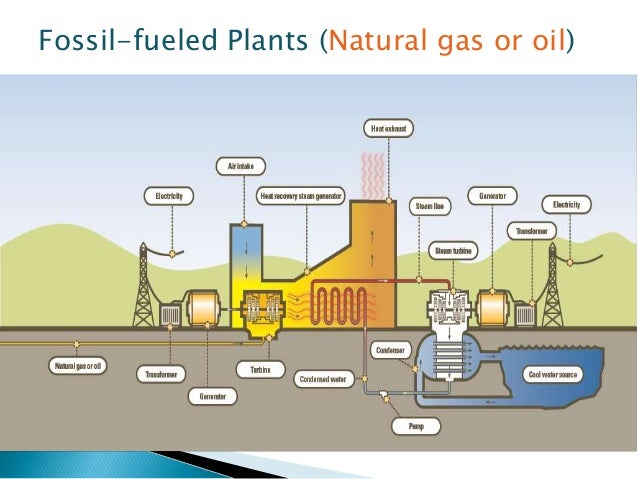
So how does this conversion actually happen? The most common method involves a gas turbine. Imagine a massive jet engine, but instead of propelling an airplane, it's spinning a generator. Here's a simplified breakdown: First, natural gas is mixed with air and burned in a combustion chamber. This creates extremely hot, high-pressure gas. This hot gas is then directed through a turbine, causing its blades to spin rapidly. The turbine is connected to a generator, which uses the principle of electromagnetic induction to convert the rotational kinetic energy into electrical energy. Voila! You have electricity ready to be transmitted through power lines.
Must Read
Think about the applications. In education, this process is a staple of physics and engineering courses. Students learn about thermodynamics, combustion, and electromagnetic induction, all within the context of a real-world application. In our daily lives, the impact is even more profound. The electricity generated from natural gas powers our schools, hospitals, and factories. It keeps our refrigerators running, our lights on, and our internet connected. Even many electric vehicles indirectly rely on electricity generated from sources like natural gas, particularly in regions where renewable energy infrastructure is still developing.
Want to explore this further? There are several simple ways to delve deeper. Research online! Many websites and videos provide detailed animations and explanations of gas turbine power plants. Look for resources from reputable energy companies or educational institutions. You could also visit a local science museum or power plant (if tours are offered) to get a firsthand look at the technology. A fun and engaging activity is to build a simple model turbine using household materials like cardboard, straws, and a small fan. While you won't be generating electricity, it will help you visualize the core principles of how a turbine works. Finally, think about the energy sources that power your own home. Understanding your energy consumption is the first step towards making informed choices about how we generate and use electricity.