How Is Electricity Produced From Natural Gas
Okay, so picture this: Last week, I'm making popcorn (because who doesn't love popcorn?) and the power flickers. Just a blip, but enough to make me jump. And it got me thinking – where the heck does all this electricity really come from? I mean, we flip a switch and BAM! Light! But what’s the magic behind the scenes? Turns out, a good chunk of it involves natural gas, which blew my mind a little. Let’s dive into it, shall we?
So, how do we get that sweet, sweet electricity from a gas we might also use to heat our homes? It's not quite as simple as plugging your toaster directly into a gas line (please don't try that!). The key players are power plants designed specifically to burn natural gas. Think of them as giant, electricity-generating factories.
The Basic Process: Burning and Spinning
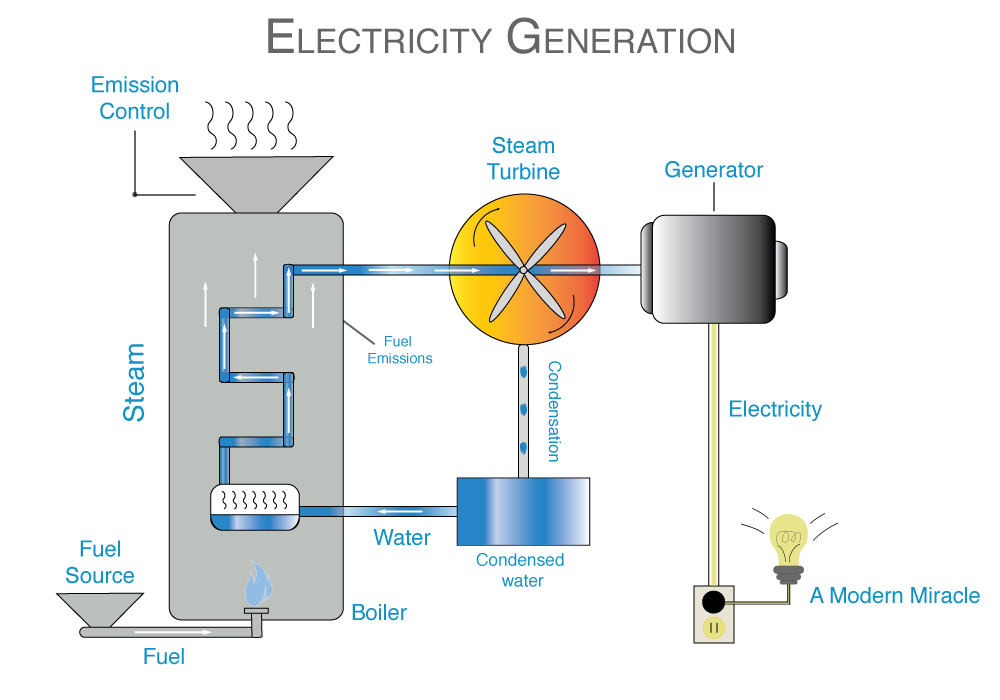
The first step is, unsurprisingly, burning the natural gas. Natural gas is mostly methane (CH4, for you chemistry buffs – don’t worry, there won’t be a test!), and when you burn it with oxygen, you get heat, water, and carbon dioxide. That heat is the important part. Really important. Think campfire, but on an industrial scale.
Must Read
Here’s where it gets interesting. That heat isn't just hanging out doing nothing. It's used to boil water. Yes, plain old H2O. But not just any boiling. We're talking superheated steam, pressurized to levels that would make your kitchen kettle weep with envy.
(Side note: It’s funny how often water is involved in power generation, right? From hydroelectric dams to nuclear power plants… Water is the unsung hero of the energy world.)

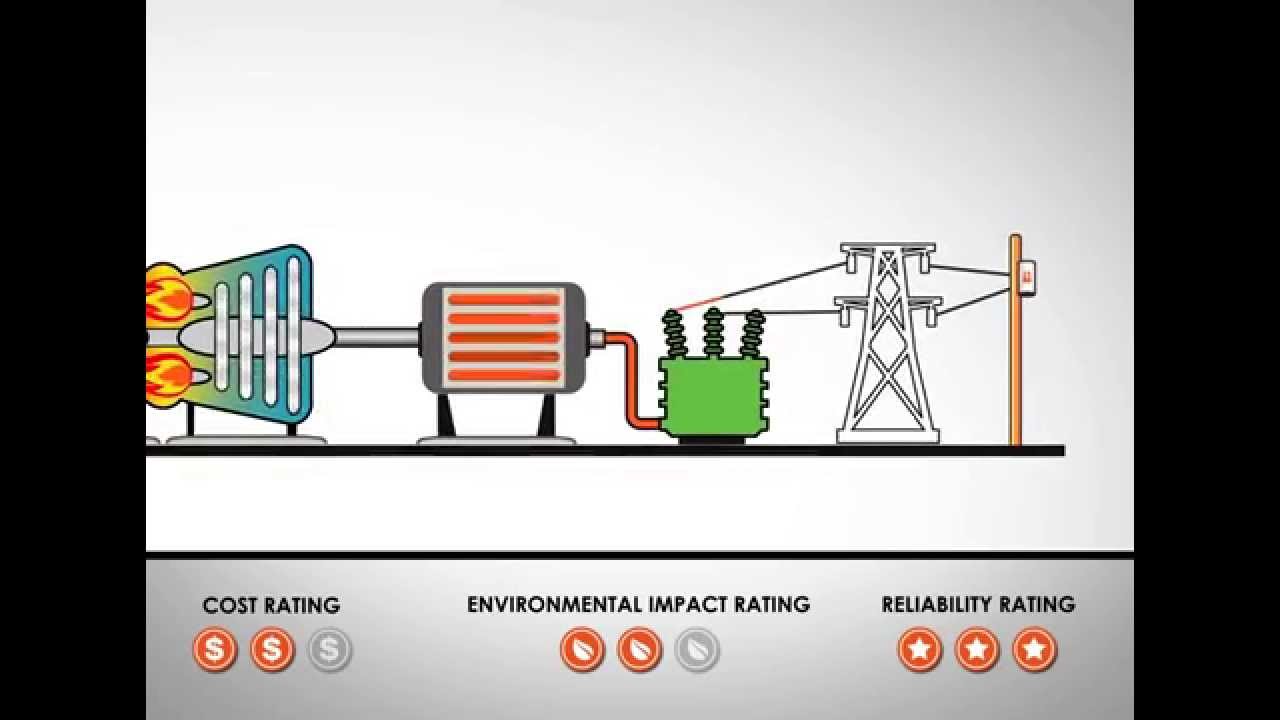
This high-pressure steam is then directed at a turbine. A turbine is basically a giant fan with blades designed to spin when hit with a powerful jet of steam. Imagine a pinwheel, but instead of blowing on it, you're blasting it with superheated steam. And it’s huge.
The spinning turbine is connected to a generator. This is where the real magic happens. A generator uses the principles of electromagnetism (remember that from physics class?) to convert the mechanical energy of the spinning turbine into electrical energy. Basically, it’s spinning magnets inside a coil of wire (or vice versa), which induces an electric current. Voila! Electricity!

Different Types of Natural Gas Power Plants
Now, there are a couple of different types of natural gas power plants, each with its own pros and cons. The most common are:
- Simple Cycle Plants: These are the simplest and cheapest to build, but also the least efficient. They basically just burn natural gas to spin a turbine. Good for peaking power (when electricity demand is high), but not great for continuous operation.
- Combined Cycle Plants: These are more complex but also more efficient. They capture the waste heat from the gas turbine and use it to generate even more steam, which then spins another turbine. It’s like getting two bangs for your buck! And honestly, who doesn't like efficiency?
So, picture this: Natural gas goes in, electricity comes out. It’s like a really complicated Rube Goldberg machine, but instead of ending with a mousetrap, it ends with enough power to light up your city (or at least let you make popcorn without the lights flickering!).

Is It a Good Thing?
Now, the big question: is using natural gas to generate electricity a good thing? Well, it’s complicated. On the one hand, natural gas emits less carbon dioxide than coal when burned, so it's often seen as a cleaner alternative (though still not carbon neutral, of course!). On the other hand, extracting and transporting natural gas can lead to methane leaks, and methane is a very potent greenhouse gas.
Ultimately, the role of natural gas in our energy future is a subject of debate. Some see it as a "bridge fuel" to a completely renewable energy future. Others argue that it's just delaying the inevitable transition to cleaner sources like solar and wind.
Whatever the future holds, understanding how we get our electricity is crucial. So, the next time you flip a switch, remember the journey that electricity took – from deep underground as natural gas, to a fiery furnace, to a spinning turbine, and finally, to your light bulb. It's a pretty remarkable process, wouldn't you say?