
How Is Electricity Generated Using Solar Power
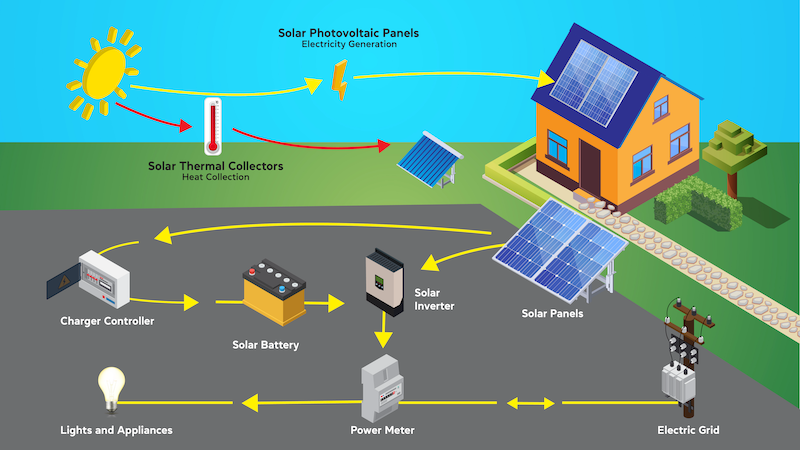
Okay, let's talk solar power. Ever feel like you're channeling the sun when you're finally reunited with your phone charger after a long day? Or maybe you've experienced the pure, unadulterated joy of stepping into a warm car on a chilly morning after it's been baking in the sun all day? Well, generating electricity from solar power is kind of like that, but on a much larger and more useful scale.
Essentially, it's about grabbing that awesome sunlight and turning it into something we can actually use – like powering our toasters, keeping Netflix streaming, or even charging our electric scooters (because, let's be honest, who doesn't love those?).
The Main Ingredient: Sunshine (Duh!)
The star of the show (pun intended!) is, of course, the sun. It's constantly throwing out these tiny packets of energy called photons. Think of photons as the sun's little emissaries, delivering a message of pure, unadulterated power. Now, what we need is a way to intercept those messages and translate them into something we understand.
Must Read
Enter the Solar Panel (Our Translation Device)
That's where solar panels come in. These aren't just fancy black rectangles you see on rooftops; they're actually sophisticated little energy converters. Inside, they're packed with photovoltaic (PV) cells. That's a mouthful, I know. Just think of them as tiny, light-sensitive robots eagerly awaiting the sun's instructions.
These PV cells are usually made from silicon, the same stuff that makes up a lot of computer chips. So, in a way, your solar panels and your smartphone have something in common! Crazy, right?
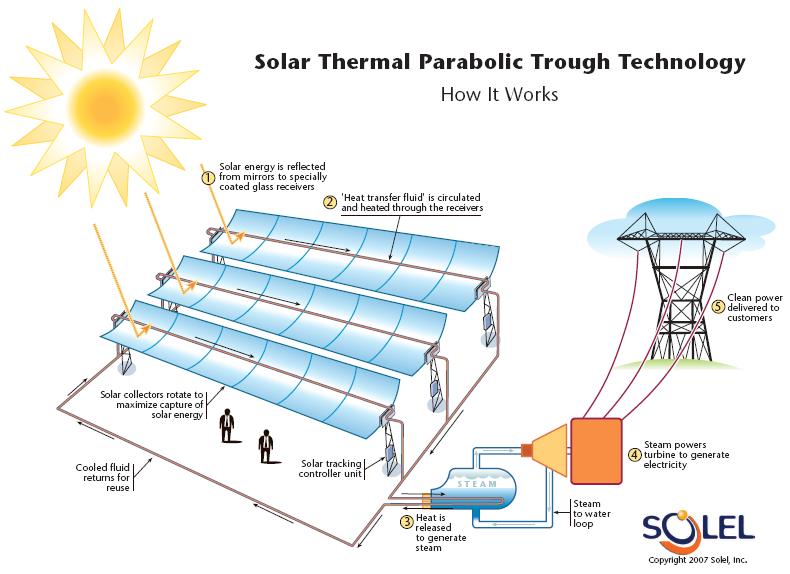
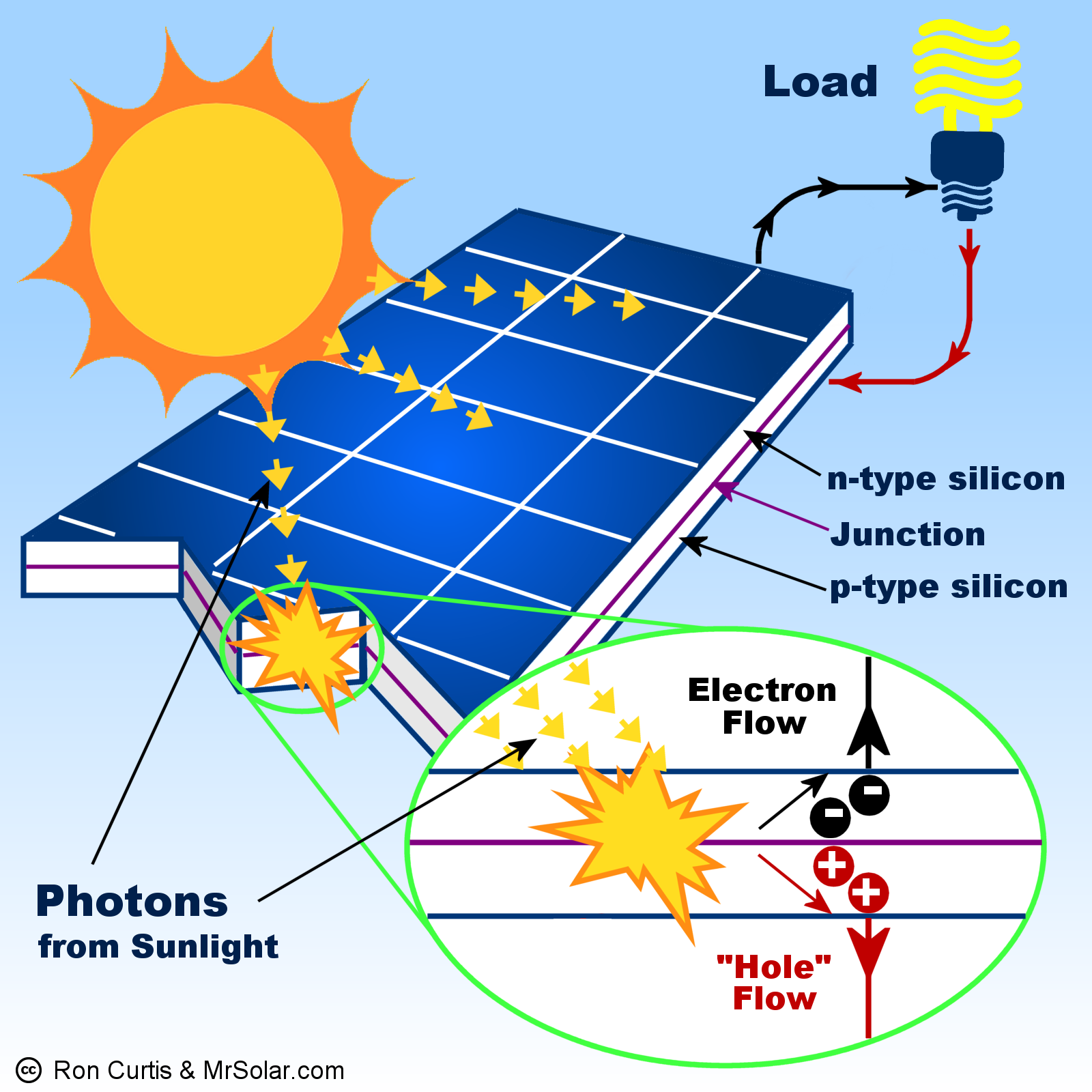
When those photons hit the PV cells, they knock electrons loose from their atoms. It's like bumping into someone at the grocery store and accidentally causing them to drop their bag of avocados. Messy, but in this case, incredibly useful. These freed electrons start moving around, creating an electric current.
From Sunlight to Usable Electricity: The Magic Trick
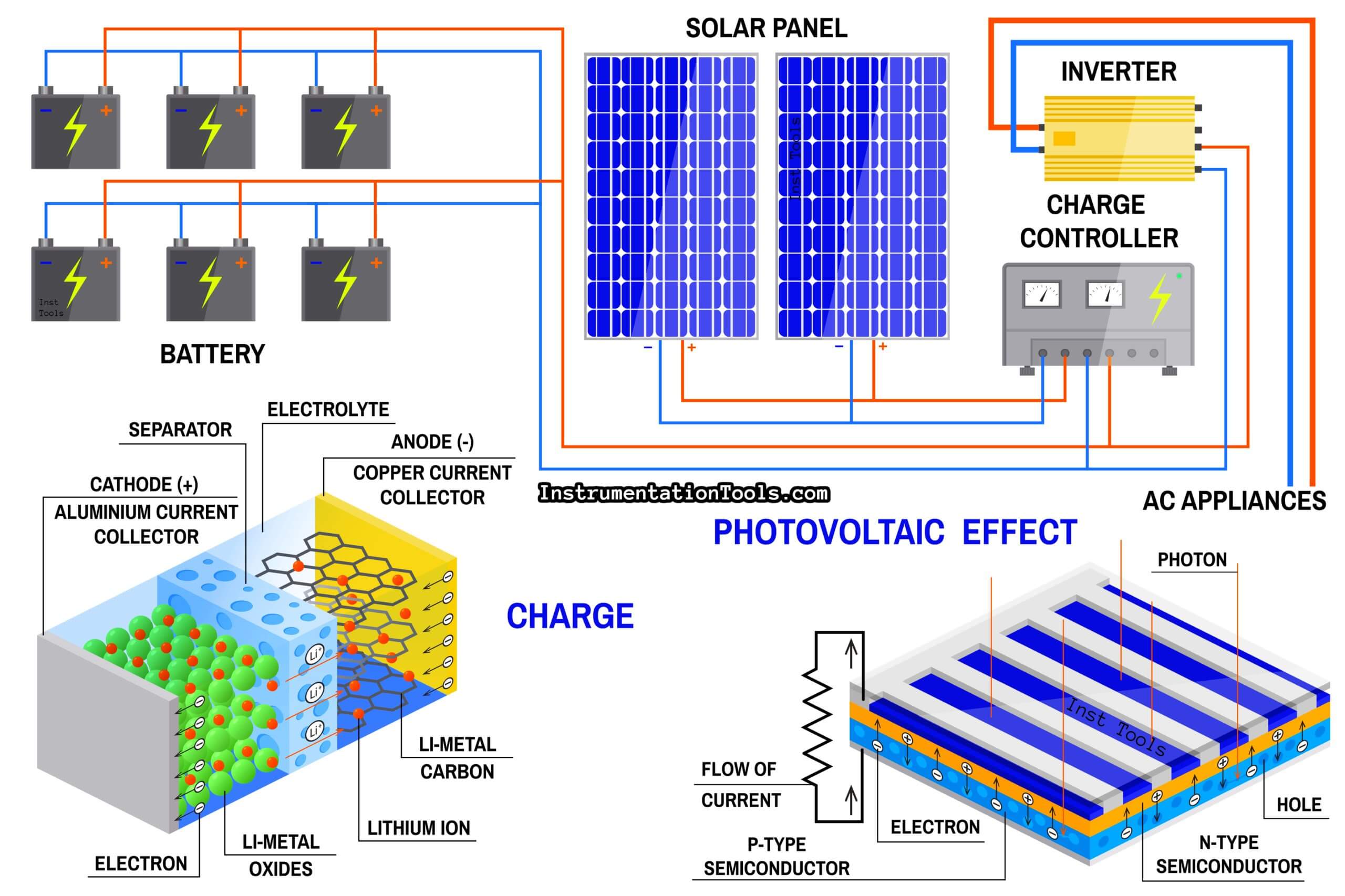
Okay, so we've got this flow of electrons. But it's not quite ready to power your blender just yet. The electricity generated by solar panels is Direct Current (DC), which is fine for some things, like charging batteries. But most of the appliances in our homes run on Alternating Current (AC). It’s like trying to plug a European plug into an American outlet – it just doesn't work!
That's where an inverter comes in. This little device is like a translator, converting the DC electricity from the solar panels into AC electricity that we can actually use. Think of it as a magical electrical chef, taking the raw ingredients and whipping up a delicious dish of usable power.
Once the electricity is converted to AC, it can flow into your home, powering your lights, your TV, your video game console, or whatever else you need. And if you're generating more electricity than you're using, you can even send the excess back to the grid, earning credits on your electricity bill. It's like getting paid to bask in the sun! (Okay, not exactly, but pretty close).
Why Solar Power is a Big Deal (and Not Just for Tree Huggers)
So, why is everyone so excited about solar power? Well, for starters, the sun is a pretty reliable source of energy (unless you live in Seattle, maybe). It's also a renewable resource, meaning it's not going to run out anytime soon (unlike, say, your favorite brand of chocolate).
Plus, solar power is a much cleaner alternative to burning fossil fuels, which are a major contributor to climate change. Switching to solar is like trading in your gas-guzzling monster truck for a sleek, silent electric car. Good for you, and good for the planet! Also, it’s getting cheaper all the time. It’s a win-win.
So, next time you see a solar panel, remember that it's not just a piece of equipment; it's a little window into the future of energy. A future powered by the sun, and a whole lot of clever engineering.
