How Is Electricity Generated In Power Plants
Ever flick a light switch and wonder, "Where does that magical zing of electricity actually come from?" Well, buckle up, buttercup, because we're about to take a whirlwind tour of a power plant – no hard hats required!
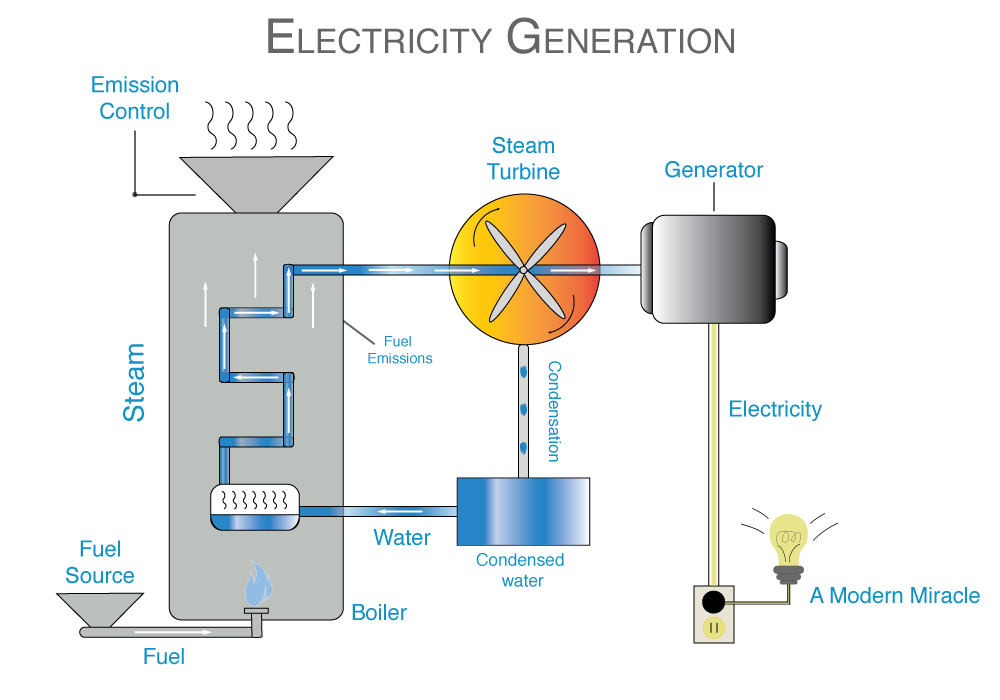
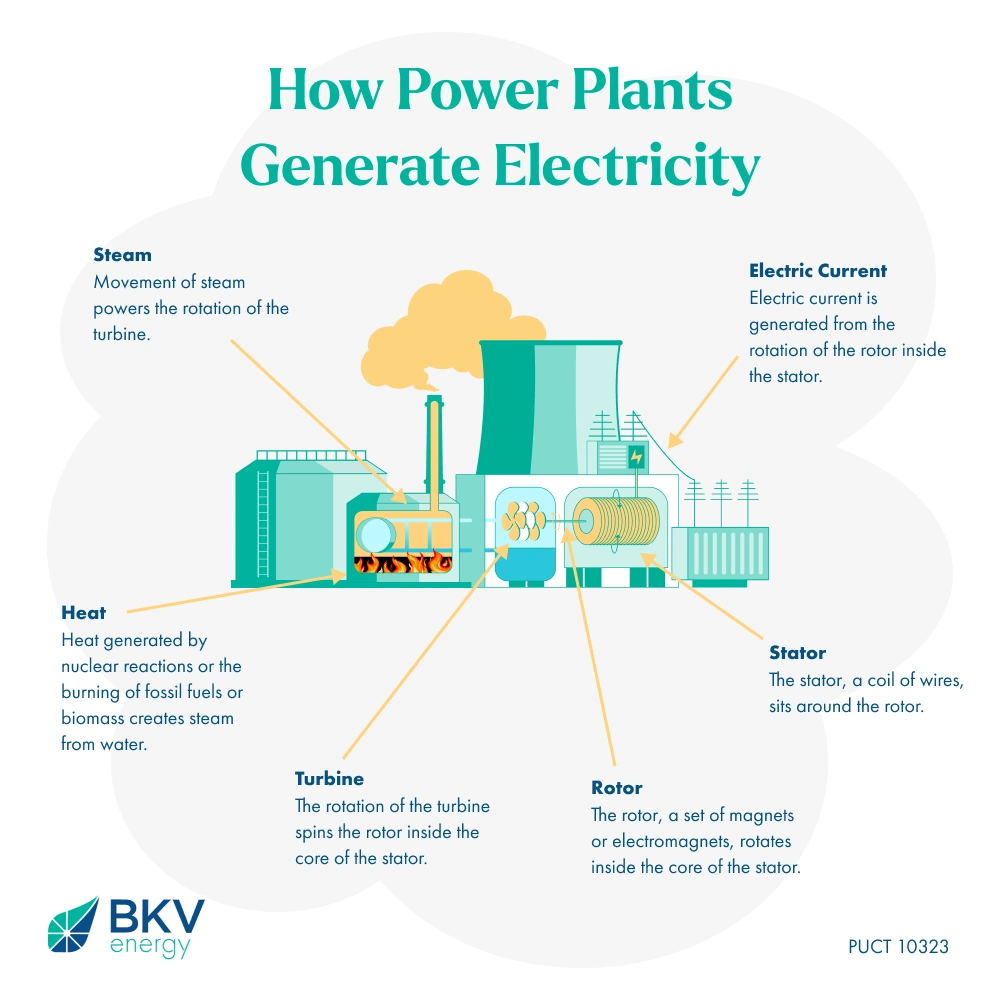
Think of a power plant as a giant, super-charged tea kettle, but instead of just making tea, it's brewing up electricity on a massive scale. The core idea is this: you spin something (usually a turbine, which is like a super-powered fan), and that spinning motion gets turned into electricity. How? With a generator, which is basically the opposite of an electric motor. Remember your toy cars? A generator is kind of like the thing that makes the wheels turn, but in reverse!
The Boiling Point: Making Steam (Most of the Time)
Okay, so how do we get that turbine spinning? This is where things get interesting. In many power plants, the go-to method is good old-fashioned steam. We're talking about serious steam, the kind that could power a locomotive to the moon! To make this steam, we need heat. And that heat comes from… well, a few different places.
Must Read
Coal Power: The Classic (But Kinda Grimy) Approach
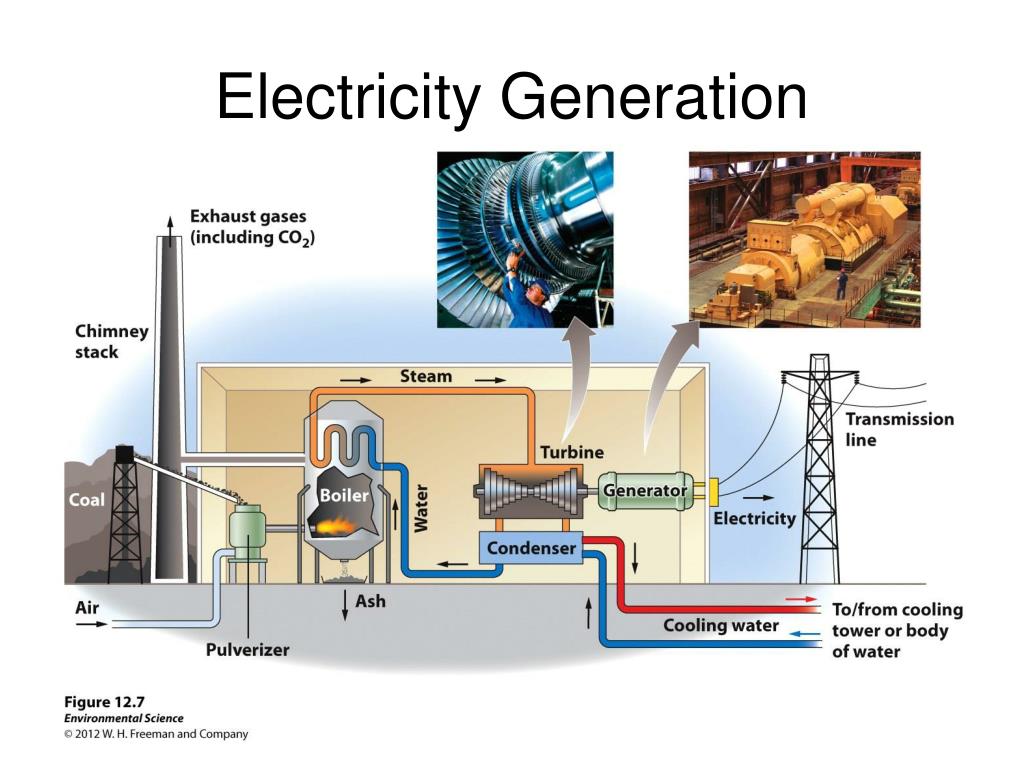
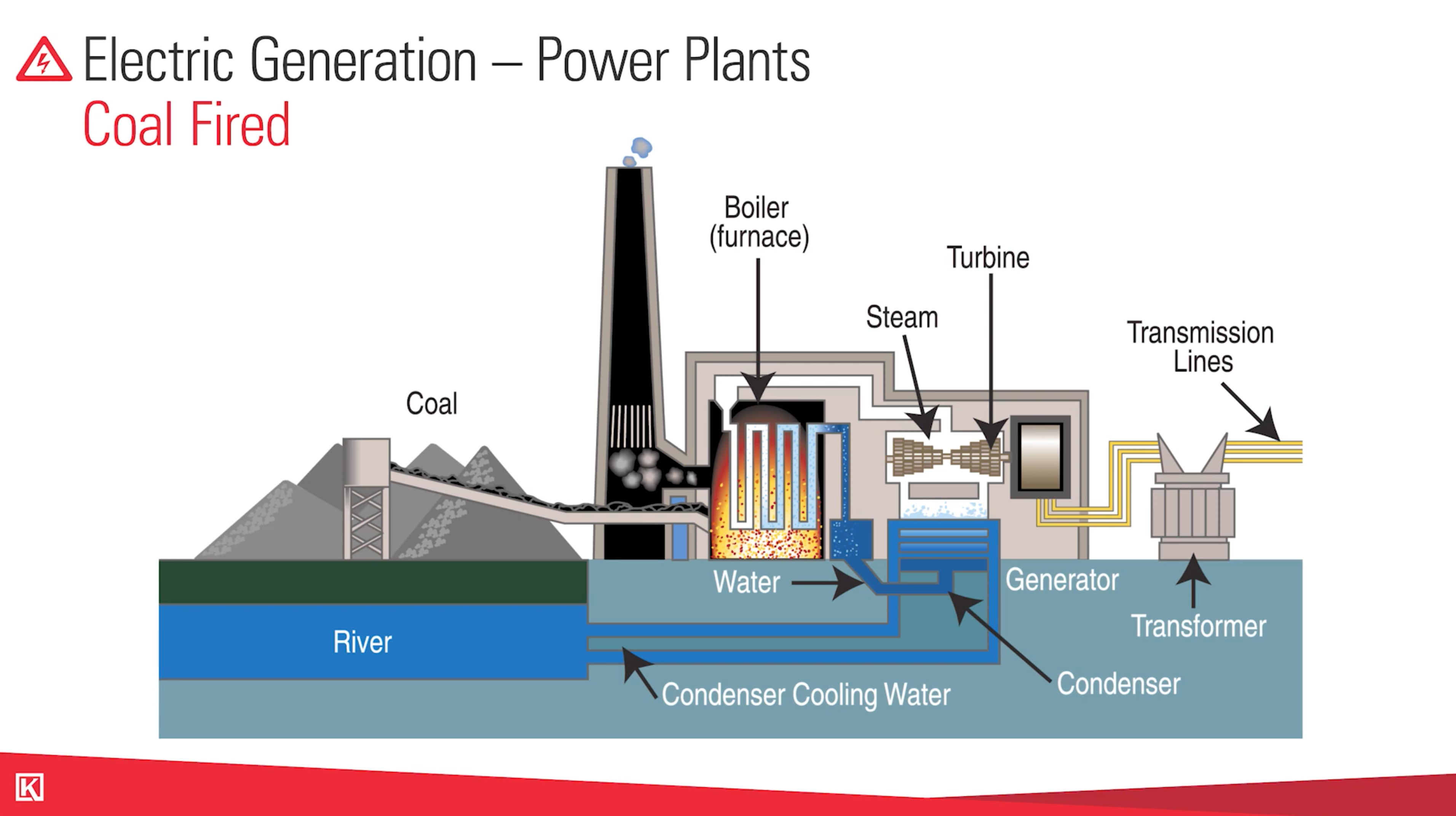
Imagine a mountain of coal. Now imagine setting that mountain on fire (in a controlled environment, of course!). That burning coal heats up water, turning it into that super-charged steam we talked about. The steam then blasts through the turbine, making it spin like a top at a kid's birthday party. It's a tried-and-true method, but let's be honest, burning coal isn't exactly the best thing for the environment. It's like using a chainsaw to butter your toast – effective, but a bit messy.
Natural Gas: A Slightly Cleaner Option
Natural gas is like the slightly more eco-friendly cousin of coal. It burns cleaner, producing less of that pesky pollution. The process is similar: burn the gas, heat the water, make the steam, spin the turbine. Think of it as switching from a chainsaw to a slightly smaller, less aggressive chainsaw for that toast-buttering operation. Still not perfect, but an improvement!
Nuclear Power: Harnessing the Power of the Atom
Now we're getting into science fiction territory! Nuclear power plants use the energy released from splitting atoms (specifically, uranium atoms) to generate heat. No fire needed here! It's like having a tiny, contained sun inside the power plant. This heat then boils water, creates steam, and spins the turbine. Nuclear power is a bit controversial, but it produces a LOT of energy and doesn't release greenhouse gases into the atmosphere. It's like having a robot butler that can butter your toast perfectly, but you have to be very, VERY careful how you treat it.
Renewable Energy: The Future is Now!
But wait! There's more! We can also skip the whole burning-stuff thing altogether and go straight for renewable energy sources. Wind turbines, for example, use the power of the wind to spin the turbine directly. Hydropower plants use the force of flowing water (like from a dam) to do the same thing. And solar power plants use the sun's energy to heat a fluid (which isn't always water) that then drives a turbine. These are like using a magic toast-buttering wand – clean, efficient, and powered by the elements!

From Turbine to Your Toaster: The Magic of Generators
Okay, so the turbine is spinning. Now what? This is where the generator comes in. The turbine is connected to a generator, which is a complex device filled with magnets and coils of wire. As the turbine spins, it causes these magnets and coils to move relative to each other, which creates an electric current. It's like a high-tech dance party for electrons! This electric current then travels through power lines to your home, where it powers everything from your toaster to your TV.
Think of it like this: the power plant is the kitchen, the turbine is the electric mixer, the generator is the motor that powers the mixer, and the electricity is the delicious cake batter that comes out the other end. And you, my friend, are about to enjoy a slice!
So, the next time you flip a light switch, take a moment to appreciate the incredible journey that electricity takes to get to you. It's a story of fire, water, atoms, and a whole lot of spinning! And remember, conserving energy is like putting fewer slices of toast in the toaster – it's good for the planet and good for your wallet!