
How Is Electricity Created From Fossil Fuels
Okay, picture this: it's a Sunday morning, you're bleary-eyed, and the only thing standing between you and sweet, sweet caffeine-induced bliss is flipping that switch on your coffee maker. Bam! Power! But have you really thought about where that power comes from? Like, really thought about it? My guess is, probably not. And that’s okay, because that’s what we’re doing today!
Let's dive into the nitty-gritty of how we get electricity from those ancient, buried treasures we call fossil fuels. Prepare for some simplified science (because, let's be honest, nobody wants to wade through a textbook on a blog, right?).
The Basic Idea: It's All About Heat
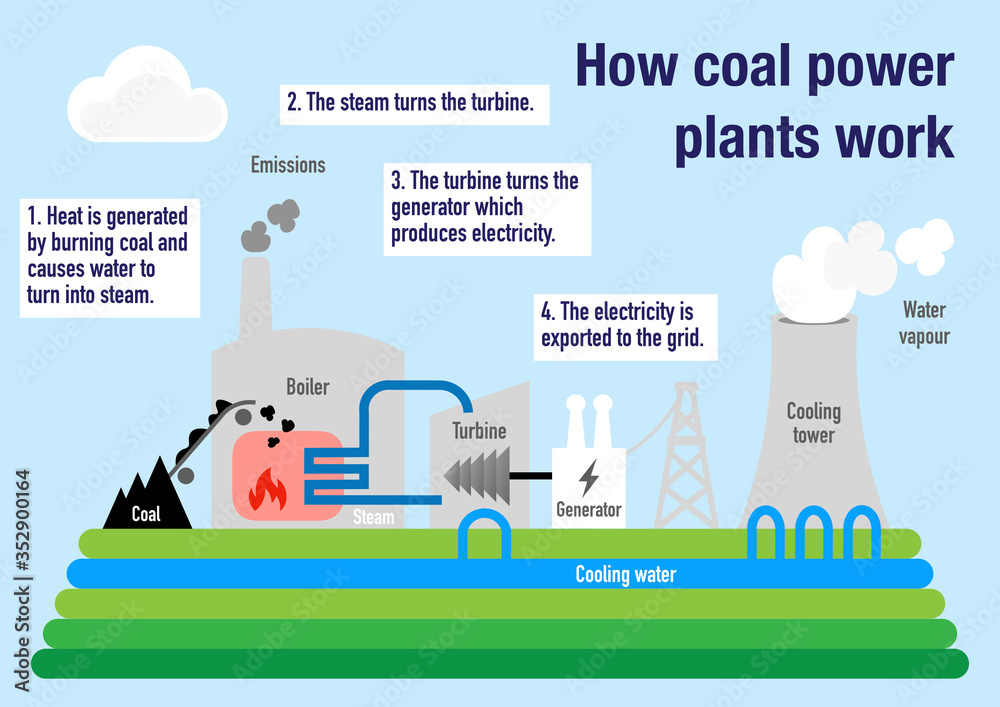
At its heart, making electricity from fossil fuels is all about converting chemical energy into electrical energy. And the bridge between those two? You guessed it: heat. Seriously, heat is the unsung hero of this whole process.
Must Read
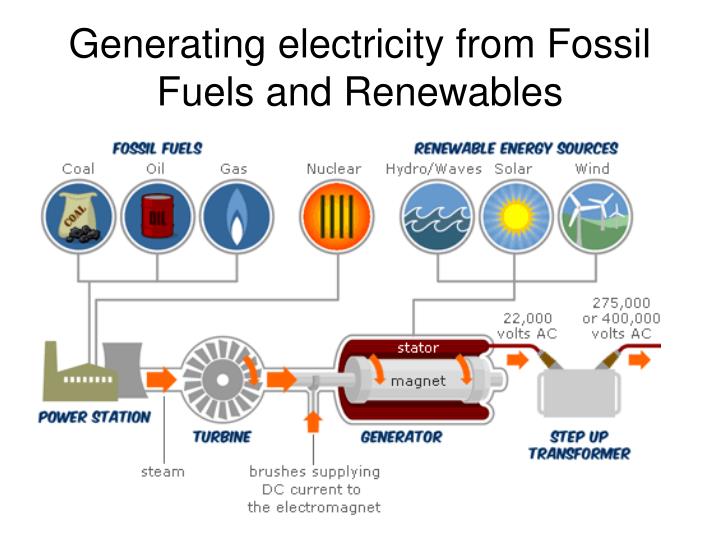
The most common fossil fuels used are coal, natural gas, and oil. Each of these contains stored energy from…well, a really long time ago. We’re talking prehistoric plants and animals here. Think of it like this: they’re nature’s super-efficient batteries, charged over millions of years. Pretty cool, huh?
Burning it Up: Combustion Time
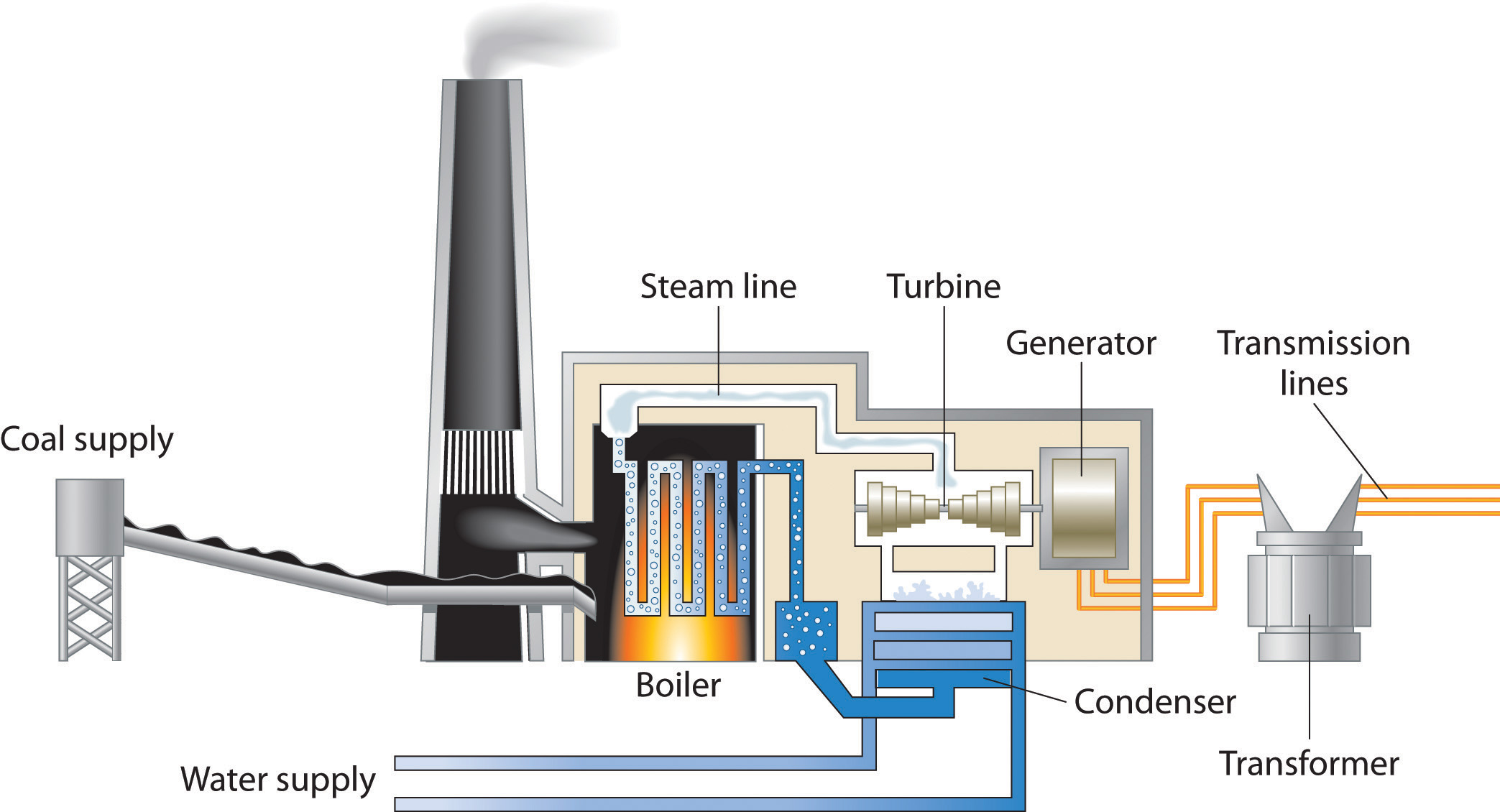
The first step is burning the fuel. This happens in a massive furnace – think of a giant, super-powered barbecue. The combustion (fancy word for burning) releases a ton of heat. We're talking temperatures that would melt your grandma's silverware, easy.
(Side note: always makes me wonder what the poor souls who have to work in these places wear… heat-resistant everything, I hope!)
Boiling Point: Steam Power
That heat is then used to boil water, creating high-pressure steam. This isn’t your gentle teapot steam. This is powerful, industrial-strength steam, ready to do some serious work.
Turbine Time: Spin to Win
This high-pressure steam is then directed towards a turbine. Picture a giant fan with specially shaped blades. The force of the steam causes the turbine to spin – and spin fast. Think of it like a really, really energetic water wheel, but instead of water, it’s steam. And instead of grinding grain, it’s making electricity.
Generator Genius: Electricity Magic
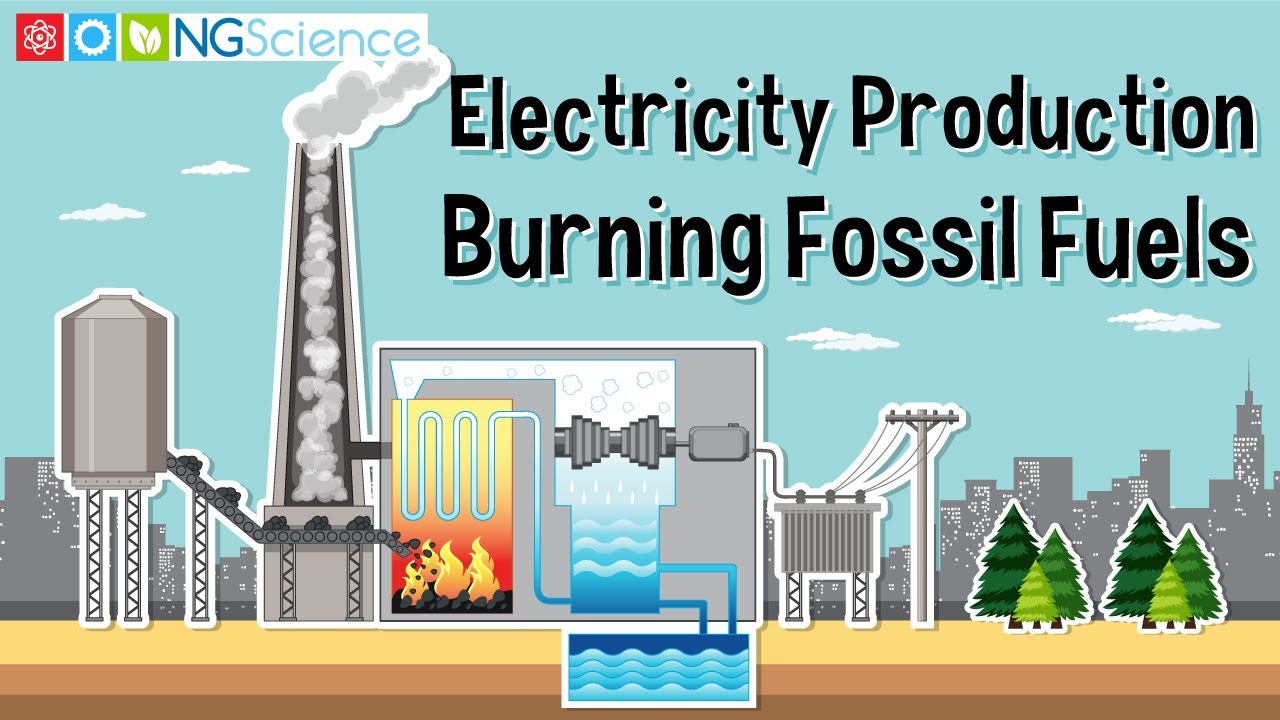
Now, here’s where the magic happens. The turbine is connected to a generator. This generator uses the principle of electromagnetic induction (don't worry, you don't need to remember that!) to convert the mechanical energy of the spinning turbine into electrical energy. Basically, the spinning motion causes electrons (tiny particles with a negative charge) to move, creating an electric current.
(Think of it like rubbing a balloon on your hair – only on a much, MUCH larger and more controlled scale).
From Plant to Power Grid: Wiring It Up

This electricity is then sent through transformers to increase the voltage, allowing it to travel long distances through power lines (those big metal towers you see dotting the landscape) to your homes, businesses, and, most importantly, your coffee maker.
The Downside (Because There's Always One, Right?)
Okay, so that's how it works. Sounds relatively simple, right? But there's a big, yuge elephant in the room: pollution. Burning fossil fuels releases greenhouse gases (like carbon dioxide) that contribute to climate change. There are also other nasty byproducts, like sulfur dioxide and nitrogen oxides, that can cause respiratory problems and acid rain. Not exactly eco-friendly.
(Which is why there's a big push for renewable energy sources like solar, wind, and hydro. But that's a story for another blog post!).
Wrapping It Up: Energy Aware
So, the next time you flip a switch, remember the journey that electricity took to get to you. From the ancient remains of plants and animals, to burning furnaces, spinning turbines, and finally, to powering your life. It's a pretty impressive (if somewhat environmentally problematic) process. And hopefully, knowing how it all works will make you a bit more energy-aware. Maybe even consider turning off a light or two when you leave a room? Just sayin'.