How Is Each Fossil Fuel Formed
Have you ever stopped to ponder the incredible journey of the energy that powers your world? From the gasoline in your car to the electricity lighting your home, much of it comes from something truly ancient: fossil fuels. Learning how these remarkable resources are formed isn't just a science lesson; it's a dive into Earth's deep history, a peek at processes spanning millions of years, and honestly, pretty fun to think about! It makes you appreciate the immense power and patience of our planet.
Understanding the formation of coal, oil, and natural gas helps us grasp their finite nature and the sheer geological effort required to create them. It’s not just about where they come from, but why they are found in certain places, which in turn influences global economies and environmental discussions. The basic premise for all of them is fascinating: they are essentially stored solar energy from ancient life, transformed by time, heat, and pressure.
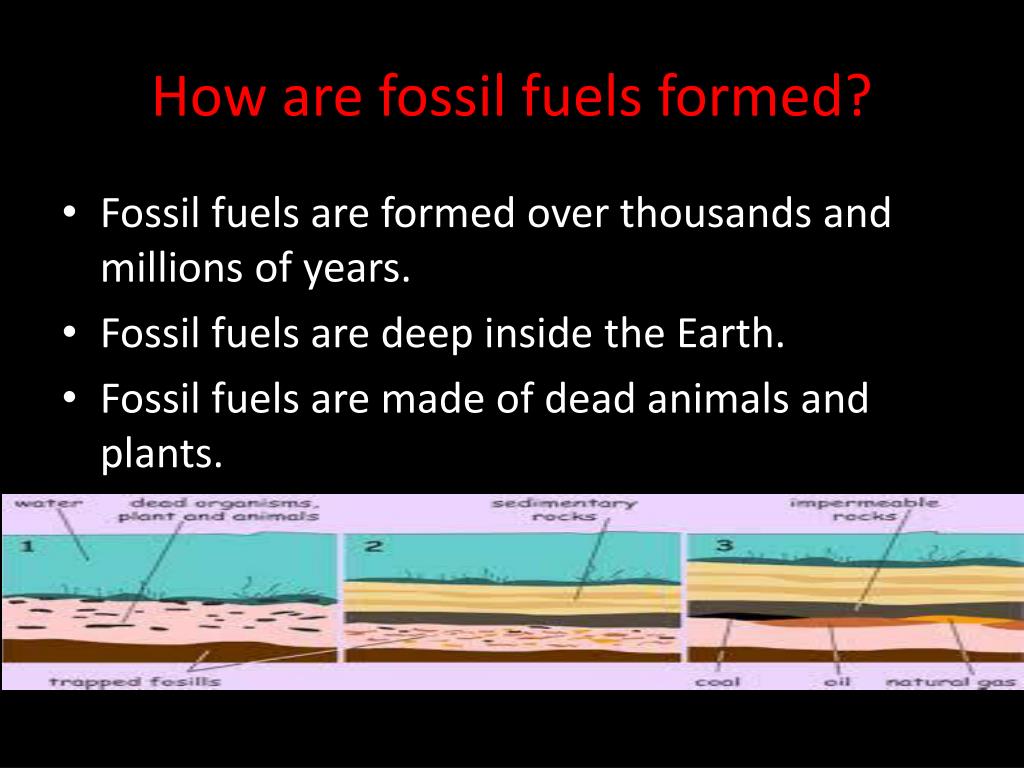
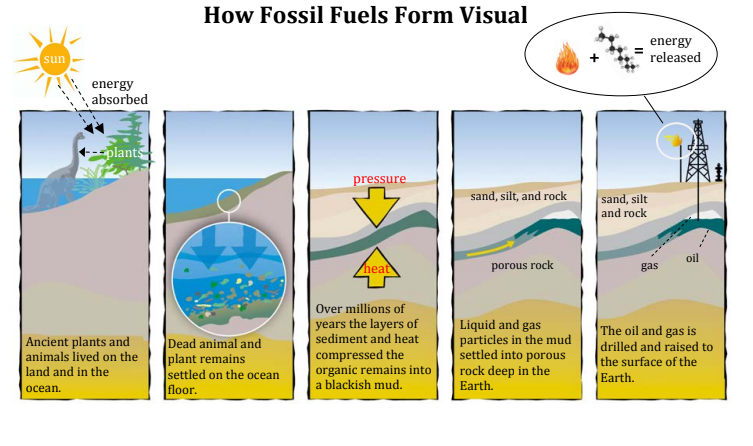
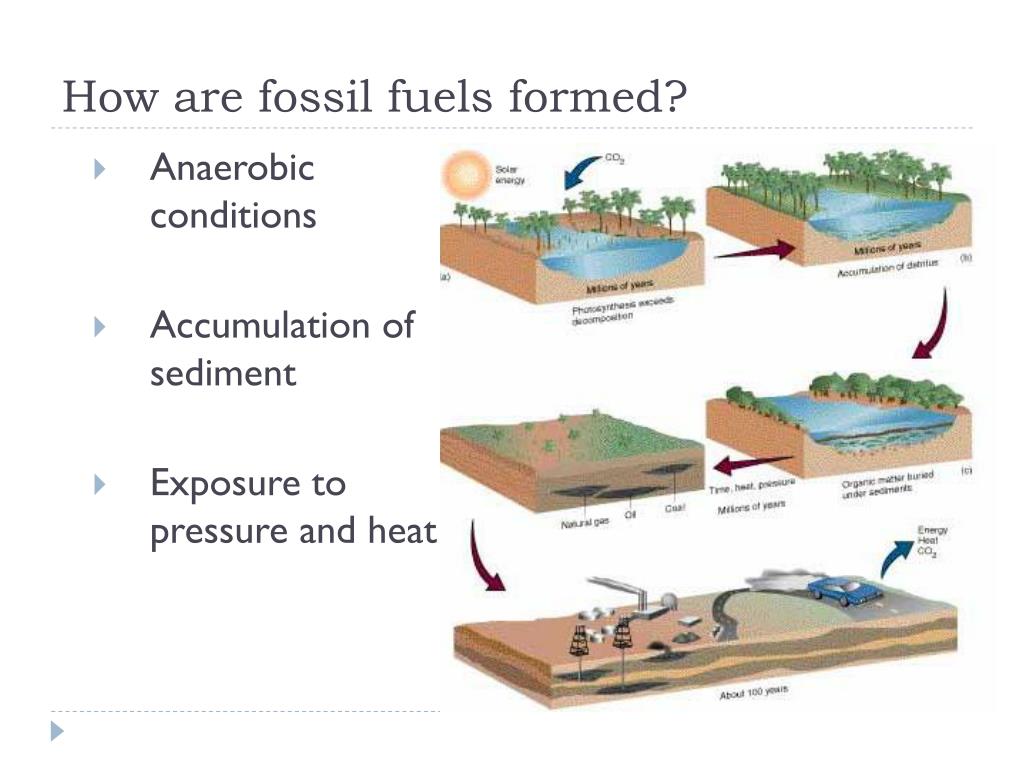
Let's start with coal, often called "black gold." Imagine vast, lush swamps that covered much of the Earth millions of years ago, long before dinosaurs roamed. When plants in these swamps died, they didn't fully decompose. Instead, they sank into oxygen-poor water, forming a mushy layer called peat. Over eons, layers of sediment and rock buried this peat. The intense pressure and heat squeezed out the water, compacted the organic matter, and gradually turned it into different grades of coal: lignite, sub-bituminous, bituminous, and finally, the hardest and most energy-rich, anthracite. It's truly a story of botanical graveyards transforming into concentrated energy bricks!
Must Read
Now, for oil (petroleum) and natural gas, our story moves beneath ancient oceans. Here, billions upon billions of tiny marine organisms – think algae and plankton – lived and died. Their remains settled on the ocean floor, mixing with mud and silt. This organic-rich sludge was then buried under miles of sediment over millions of years. As the layers piled up, the rising temperature and immense pressure "cooked" this organic matter. It transformed into a waxy substance called kerogen. With even more heat and pressure, this kerogen broke down further, forming liquid oil and gaseous natural gas. This process typically occurs in a specific temperature range known as the "oil window." Once formed, this oil and gas often migrates through porous rocks until it gets trapped beneath impermeable rock layers, forming the reservoirs we tap into today.

The practical benefits of knowing this are immense. In education, it forms a core part of geology and environmental science curricula, helping students understand Earth's systems and resource management. In daily life, it offers a deeper appreciation for the energy we consume. The next time you fill your car, you might ponder the journey of those ancient plankton. Or when you flip a light switch, you can consider the compressed prehistoric swamps that might have contributed to your electricity.
Want to explore this further? It's surprisingly easy! Pop into a local natural history or science museum; many have fantastic exhibits on fossil fuels and geology. Watch documentaries like those from National Geographic or the BBC that often delve into Earth's deep past. You could even look up the geology of your own region – you might be surprised to learn about the ancient environments that existed right beneath your feet millions of years ago. It’s a wonderful way to connect with the planet’s incredible, ongoing story.