Imagine, if you will, a gigantic time machine! We're not just zipping back a few decades; we're talking millions upon millions of years into Earth's squishy, glorious past. Our destination? A world teeming with colossal plants, giant ferns, and the kind of swampy, watery places that would make a modern-day amphibian feel right at home.
This ancient landscape, wet and wild, was nature's ultimate composting bin, a truly magnificent and slow-motion scene. It's where the incredible, multi-million-year journey of coal truly began. Get ready for a geological adventure, filled with pressure, heat, and a whole lot of patience!
The Great Green Pile-Up: From Swamps to Peat
Stage 1: The Soggy Plant Party
Picture a massive, vibrant swamp, a truly colossal party that went on for an unimaginable length of time, spanning countless millennia. Plants of every size and shape lived, grew tall, soaked up the sun, and then gracefully completed their life cycle. But here's the twist!
Instead of simply crumbling into dust, these botanical beauties fell into deep, oxygen-poor water. This watery embrace acted like a magical, natural preservative. Think of it like putting leftovers in the fridge, but on a super-duper, geological scale!
Oxygen, that super-efficient cleanup crew, just couldn't get through the water to do its full job. So, instead of completely rotting away, the plant remains started to accumulate. Imagine layers and layers of soggy leaves, twigs, and trunks, building up year after year, like the world's most epic, organic lasagna!
"Nature's watery wonderland: where plants take a very, very long nap!"
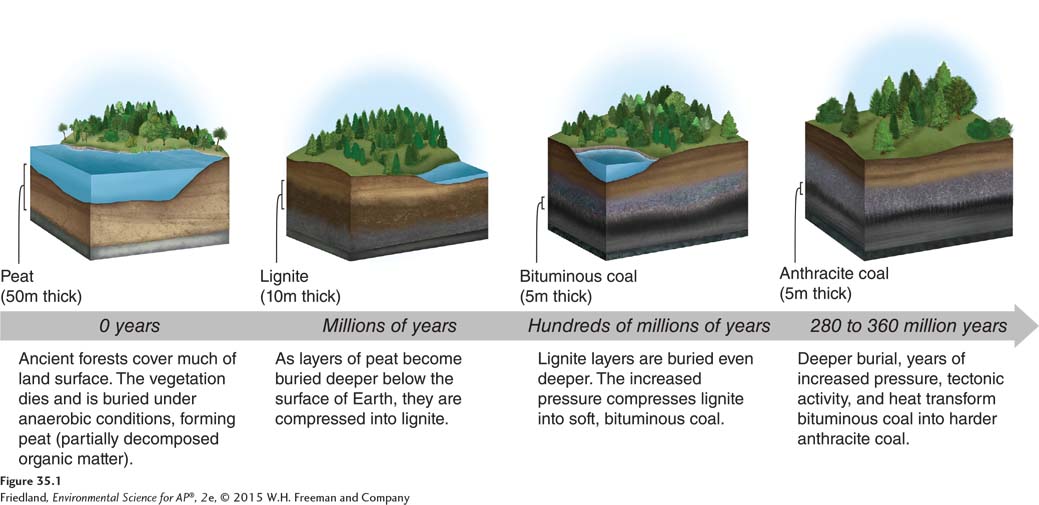
This squishy, brownish, slightly spongy material is what scientists lovingly call peat. It's the very first, adorable baby step on coal's incredibly long and arduous journey. Think of it as the raw, unbaked cookie dough of the coal world – full of potential, but not quite ready to be devoured!
This accumulation wasn't a quick sprint; it was a marathon, lasting for thousands, even millions of years. Each year, new layers settled down, gently pressing on the older ones below. This colossal, vegetable-packed mattress slowly grew thicker and thicker, a real testament to nature's incredible patience and persistence.
SOLUTION: How coal is formed - Studypool
The Earth's Gentle Hug: From Peat to Lignite
Stage 2: The Squeeze Begins!
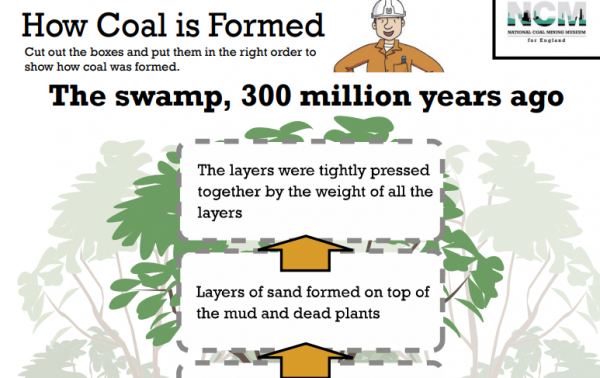
Now, imagine a geological blanket fort forming right over our giant, soggy peat mattress! Rivers, ever-changing and mighty, shifted their courses over time. They started bringing in mountains of sand, mud, and other sediments, gently depositing them right on top of our cozy peat bed.
More and more of these new layers began to pile up, getting heavier and heavier. It was like the Earth decided to give our precious peat a really, really tight, prolonged hug. This immense weight, this incredible pressure, started to work its deep-seated magic on the accumulated plant matter.
The water, that loyal guardian that had been preserving the plants for so long, started its grand exodus. Imagine squeezing every last drop from a massive, ancient sponge, loaded with leafy treasures. Our once-fluffy peat began to surrender its moisture, tightening its embrace.
"Pressure makes perfect... or at least, perfectly dense!"
As the water was forced out, the entire mass of plant material compressed dramatically, becoming significantly denser and more compact. It was like going from a fluffy pillow to a firm, sturdy cushion. The transformation was slow, but absolutely relentless.
How Coal Is Formed The New Form Of Thermal Power That Operates Stably
This partly transformed, squashed-down material is what we call lignite. It's noticeably darker than peat, a bit firmer, and you can already tell it's well on its way to becoming something truly special. It's like the "rough draft" of coal, showing clear signs of its future brilliance.
The Deep Cook: From Lignite to Bituminous Coal
Stage 3: Turning Up the Heat (and Pressure!)
But wait, the adventure isn't over yet! Our newly formed lignite continued its incredible journey, sinking deeper and deeper into the Earth's welcoming, yet powerful, crust. As it descended further, two crucial forces intensified their work: even more crushing pressure and significantly rising heat.
The Earth's internal furnace, always simmering, started to warm things up considerably. You see, the deeper you go into our amazing planet, the hotter it naturally gets – that's just how our geological system rolls! This rising temperature, combined with even more intense squeezing, began a serious chemical makeover.
It was like a slow-motion, underground barbecue, perfectly roasting our ancient plant matter. The remaining water, along with various gases (like methane), were relentlessly driven out of the material. This purification process left behind a higher concentration of carbon.
"Getting hotter and harder, just like a geological workout!"
How Coal Is Formed The New Form Of Thermal Power That Operates Stably
This element, carbon, is the absolute superstar ingredient for energy. The material was becoming more concentrated, more powerful, and much, much darker in color. It was slowly transforming into the coal we often recognize today.
This darker, denser, and now much more energy-packed material is what we affectionately call bituminous coal. It's the most common type of coal we find and use around the world, a true workhorse in the energy industry. Think of it as the delicious "main course" of coal, packed with potential energy!
The Grand Finale: From Bituminous to Anthracite
Stage 4: The Diamond's Dark Cousin
For a select, fortunate few batches of coal, the epic journey went even further, reaching truly astonishing depths! These lucky deposits got pushed down to incredible, unimaginable depths within the Earth's crust, enduring absolutely immense pressure and super high temperatures. We're talking about extreme, no-holds-barred conditions here!
This super-intense geological "pressure cooking" process stripped out almost every last bit of water and any remaining impurities. What was left was an incredibly pure form of carbon, compacted tighter than a drum. It was the ultimate grand finale of coal formation, a true masterpiece of nature's forces.
The breathtaking result is anthracite, often fondly referred to as "hard coal." It's incredibly dense, has a striking, shiny appearance, and often boasts a beautiful, almost metallic luster. It's like the polished gem of the coal world.
How Coal Is Formed The New Form Of Thermal Power That Operates Stably
"From soggy greens to gleaming black – the ultimate rockstar transformation!"
Because of its purity and density, anthracite burns much cleaner and hotter than other types of coal, making it a truly coveted VIP in the energy world. It's a premium product, forged under the most extreme conditions imaginable.
It's so hard and shiny, you might even be tempted to think it's a very distant, very dark cousin to diamonds! While not quite a sparkling jewel, anthracite is certainly the most refined, sophisticated, and relatively rare form of coal on our planet. It represents the peak of geological transformation.
Nature's Patient Masterpiece
So there you have it! From the squishy, soggy swamps of ancient times, through the mighty, unyielding forces of Earth's crust – immense pressure and scorching heat – coal is truly a marvel of natural engineering. It's a captivating tale of immense patience, incredible pressure, and a truly mind-boggling transformation.
Next time you hear about coal, take a moment to remember its epic, multi-million-year journey. It's not just a dark, dusty rock; it's a fantastic time capsule, a compressed memory of vibrant, ancient forests, forged over eons by nature's very own, super slow-motion alchemy.
It's a testament to our planet's power as the ultimate recycler, turning leafy green goodness into a powerful, dense energy source. Pretty neat, right? Nature always finds a way to surprise and impress us with its incredible, long-term projects!