How Is Biomass Used To Generate Electricity
Let's face it, we all love flipping a light switch and having instant light, charging our phones without a second thought, or enjoying a comfortable temperature in our homes. Electricity is the invisible workhorse of modern life, powering just about everything we do. But have you ever stopped to wonder where all that power actually comes from? While solar panels and wind turbines get a lot of attention (and rightfully so!), there's another source of energy that's been quietly contributing to our electricity supply for years: biomass.
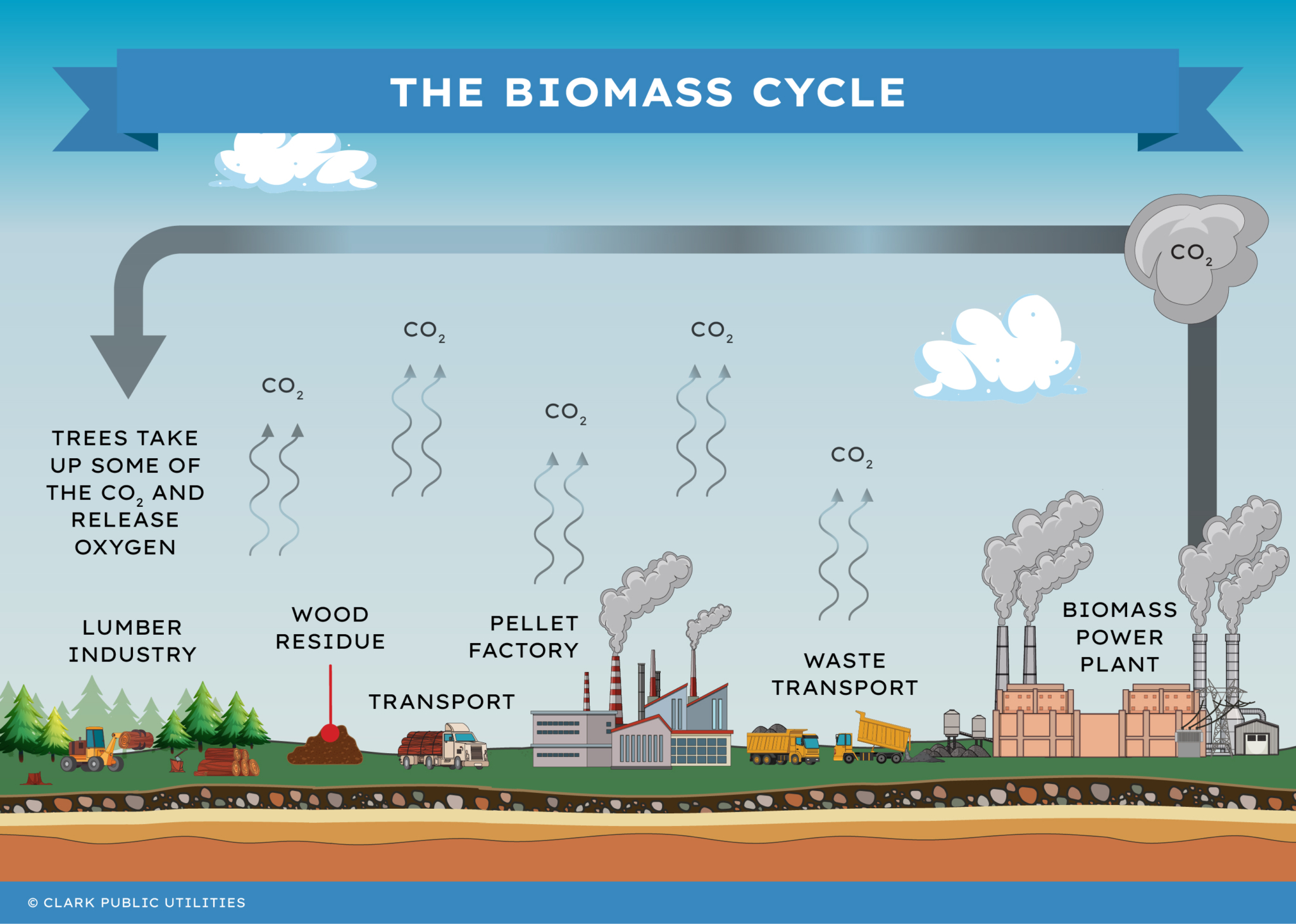
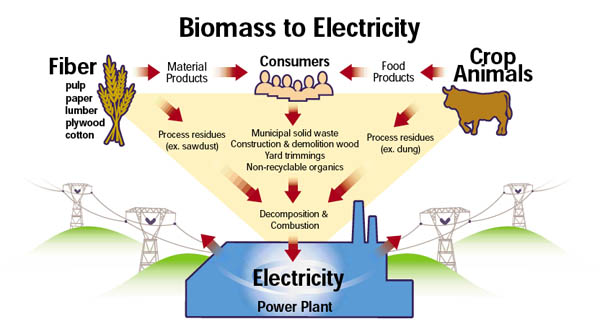
Biomass, simply put, is organic matter that can be burned to release energy. This could be anything from wood and agricultural crops to animal waste and even landfill gas. The beauty of biomass lies in its potential to be a renewable resource. When managed sustainably, biomass can provide a more environmentally friendly alternative to fossil fuels. The purpose of using biomass for electricity generation is straightforward: to provide a reliable and potentially carbon-neutral source of power. By burning biomass instead of fossil fuels, we can reduce our reliance on finite resources and potentially decrease our carbon footprint, contributing to a more sustainable future.
So, how does this whole biomass-to-electricity process work? It's not magic, but it is pretty clever. There are several common ways biomass is used to generate electricity:
Must Read
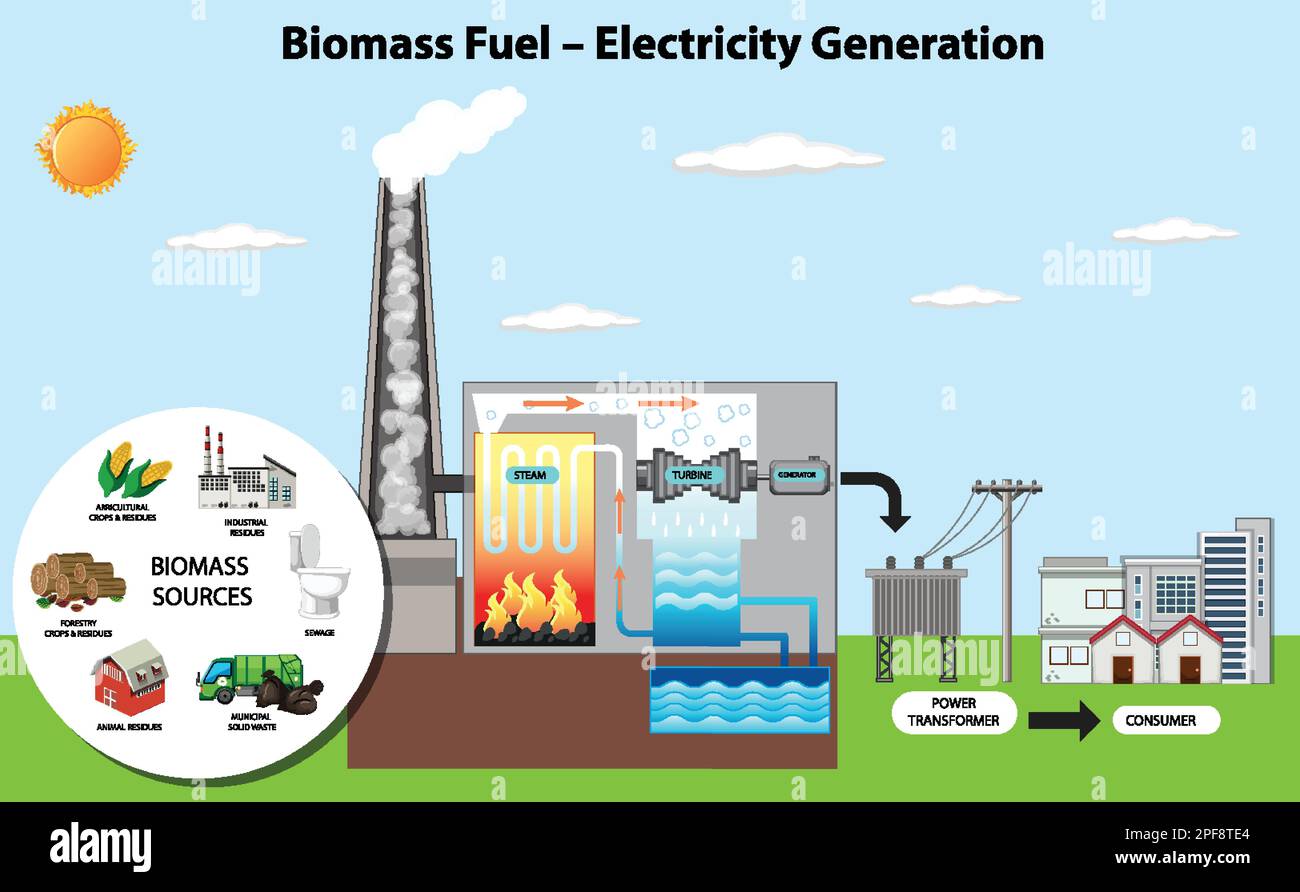
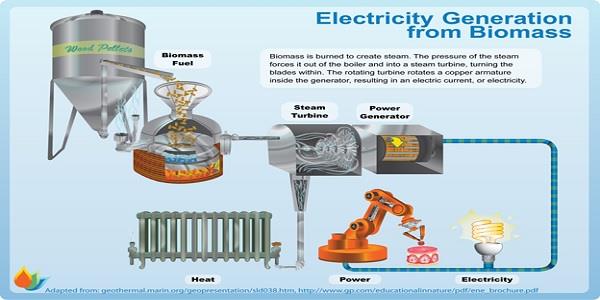
- Direct Combustion: This is the most straightforward method. Biomass is burned directly in a boiler to produce heat, which then converts water into steam. The steam then drives a turbine connected to a generator, producing electricity. Think of it like a giant, high-tech bonfire, but instead of roasting marshmallows, you're powering your city!
- Co-firing: Biomass can also be co-fired with coal in existing coal-fired power plants. This allows power plants to gradually transition to a more sustainable fuel source without requiring significant infrastructure changes.
- Gasification: In this process, biomass is heated in a low-oxygen environment to produce a gas called syngas. This syngas can then be burned in a gas turbine or used to produce other fuels.
- Anaerobic Digestion: This method uses bacteria to break down biomass in the absence of oxygen, producing biogas (primarily methane). This biogas can then be burned to generate electricity. This is commonly used with agricultural and animal waste.
Examples of biomass electricity generation are all around us, though you might not realize it. Many paper mills and lumber mills burn wood waste to generate electricity for their own operations, and some even sell excess power back to the grid. Farms might use anaerobic digesters to turn manure into biogas for electricity production. Landfills often capture methane gas produced by decomposing waste and use it to generate electricity.
Now, while you might not be building your own biomass power plant in your backyard (though, kudos if you are!), there are still practical ways to support and encourage the effective use of biomass energy. Look for electricity providers that offer renewable energy options, including those that utilize biomass. Support businesses that prioritize sustainability and source their energy responsibly. Educate yourself and others about the benefits and challenges of biomass energy. By making informed choices and advocating for responsible energy policies, you can contribute to a cleaner, more sustainable future powered, in part, by the humble, yet powerful, resource that is biomass.
Ultimately, understanding where our electricity comes from empowers us to make more conscious choices about our energy consumption and support cleaner alternatives like biomass. So next time you flip that light switch, remember the potential of biomass and the role it can play in powering our world sustainably.