How Is Biomass Made Into Energy
Picture this: you're gathered around a crackling campfire, marshmallows toasting, stories flowing. That lovely warmth, the dancing flames, the smell of burning wood – it’s primal, right? You're not just having a good time; you’re witnessing a tiny, ancient power plant in action. That wood, once a living tree, is giving off energy in the form of heat and light. It's simple, it's elegant, and it's actually the most basic form of what we call biomass energy.
Ever wondered how we take that cozy campfire concept and scale it up to power homes, cities, or even cars? Well, buckle up, because we're about to dive into the fascinating world of turning organic "stuff" into juice for our modern lives. It's a bit like alchemy, but with science instead of magic wands. And hey, it's way more sustainable than digging up dino-goo!
So, What Exactly Is Biomass?
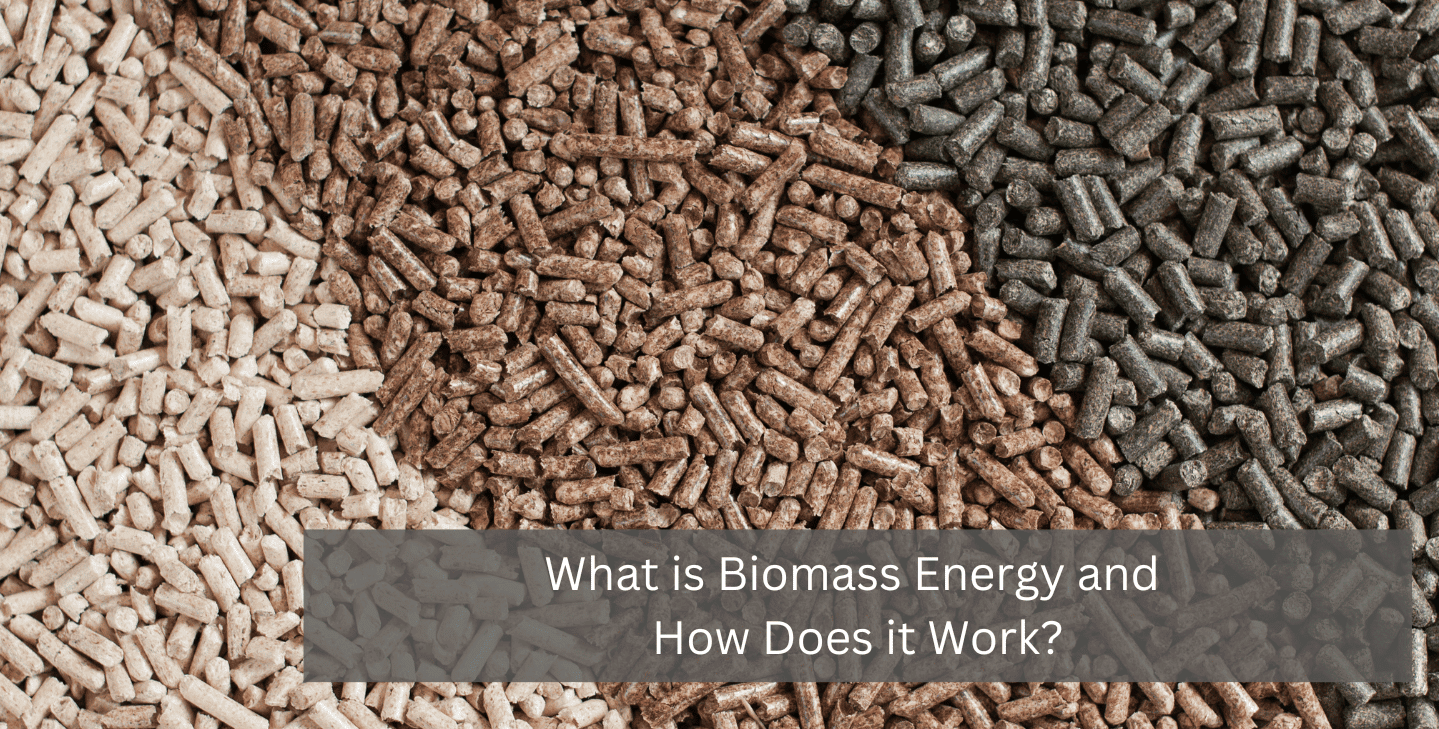
Before we get into the "how," let's quickly nail down the "what." When we talk about biomass, we're essentially talking about any organic material that comes from plants or animals. Think of it as stored solar energy, captured through photosynthesis. This isn't just wood (though wood is a big one!). It includes:
Must Read
- Agricultural waste: corn stalks, sugarcane bagasse, rice husks.
- Forest residues: tree branches, sawdust, bark.
- Animal waste: manure (yup, cow poop can be power!).
- Food waste: the leftovers from your plate, expired produce.
- Energy crops: plants specifically grown for energy, like switchgrass or miscanthus.
- Even algae!
The key here is that it's renewable. Plants grow, animals... do their thing, and we generate waste constantly. This isn't a finite resource like fossil fuels, which is pretty awesome, wouldn't you say?
The Main Event: How It's Done
Alright, so we've got our piles of organic goodies. Now, how do we coax that stored energy out? There are several cool ways, each suited for different types of biomass and different energy outputs. Let's break down the big players:

1. Direct Combustion (The Big Campfire)
This is the most straightforward method, just like our campfire. You burn the biomass directly in a furnace or boiler to produce heat. That heat then typically boils water, creating high-pressure steam. This steam spins a turbine, which is connected to a generator, and voilà – electricity! It’s pretty much how traditional coal power plants work, but with a much greener fuel source. It's well-established tech, great for electricity and industrial heat, but you've got to manage the emissions (though they're often much lower than fossil fuels, especially for particulates).
2. Gasification (The Controlled Inferno)
Imagine burning something, but with only a limited amount of oxygen. Instead of full combustion, the biomass gets super-heated and breaks down into a gas mixture called syngas (synthesis gas). This syngas is a powerful fuel, primarily made of carbon monoxide, hydrogen, and methane. It can be burned directly for electricity or heat, used in gas turbines, or even further processed into liquid fuels or chemicals. It's a bit more complex than direct burning but offers greater efficiency and flexibility, turning solid biomass into a more versatile gaseous fuel.
3. Pyrolysis (The Fancy Oven)
Think of this as baking, but for biomass. You heat the biomass to high temperatures (between 300-900°C) in the complete absence of oxygen. This isn't burning; it's more like a thermal decomposition. The result? A trio of products: bio-oil (a dark, viscous liquid that can be refined into fuels or chemicals), biochar (a solid, charcoal-like material great for soil amendment), and some syngas. It's a fantastic way to produce valuable liquid fuels from solid biomass, offering a lot of potential for creating new bioproducts.
4. Anaerobic Digestion (The Mighty Microbes)
This method sounds a bit… rustic, but it's incredibly effective, especially for wet organic waste like animal manure, sewage, and food scraps. You put the biomass into an airtight tank called a digester, where specialized bacteria get to work in an oxygen-free environment. These microbes munch away, breaking down the organic matter and producing biogas, which is primarily methane (the main component of natural gas) and carbon dioxide. This biogas can then be burned for heat or electricity, or even upgraded to biomethane for vehicle fuel. It's a double win: waste disposal and energy production!
5. Fermentation (The Bio-Brewery)
If you've ever enjoyed a beer or baked bread, you've witnessed fermentation in action. Here, microorganisms (like yeast) convert the sugars found in biomass (like corn, sugarcane, or cellulosic materials) into ethanol. This bioethanol is then commonly blended with gasoline to create biofuels for vehicles. It's a biological process that directly creates liquid fuels, and while it has its own set of challenges (like land use for crops), it's a key player in reducing our reliance on fossil fuels for transport.
Why Does All This Matter?
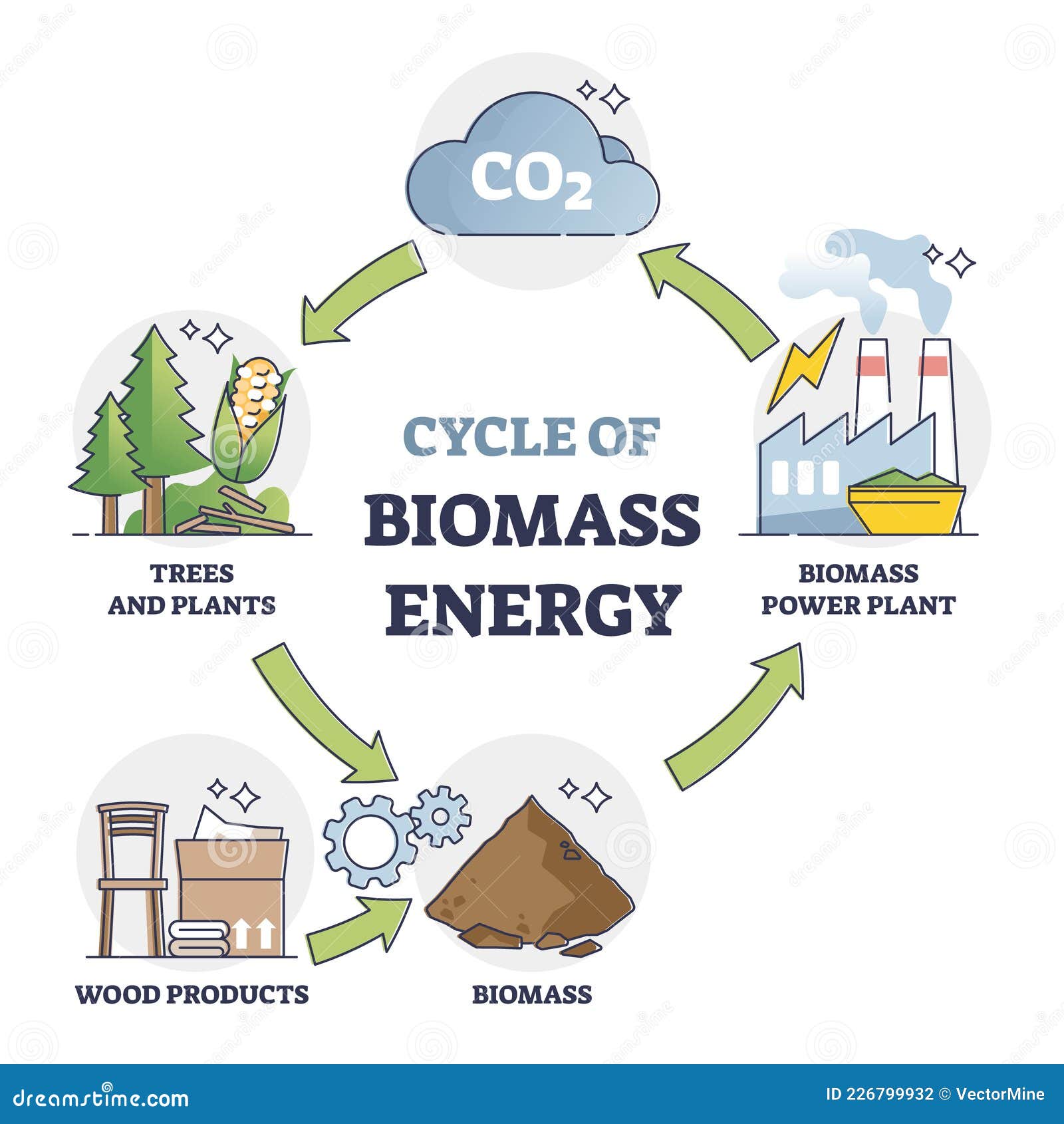
So, why go through all this trouble when we could just, you know, burn more fossil fuels? Good question, and the answer is multi-faceted. Biomass energy offers a way to manage waste, reduce greenhouse gas emissions (since the carbon released was recently absorbed by plants, creating a more circular system), and decrease our dependency on finite fossil resources. It's not a magic bullet, of course – there are considerations about land use, efficiency, and sustainability – but it's a vital arrow in our quiver as we move towards a more sustainable energy future.
From a crackling campfire to sophisticated industrial plants, the journey of biomass into energy is a testament to human ingenuity and our continuous quest for cleaner, greener power. Pretty cool, right? Who knew your garden waste could hold so much potential?