How Is Biomass Energy Used To Produce Electricity
Ever tossed a log into a crackling fireplace and felt a primal connection to something bigger? Well, you were experiencing biomass energy in its rawest form! But did you know that same energy can be harnessed to power our homes and cities? Let's dive into how biomass energy gets transformed into the electricity that keeps our Netflix binge-watching sessions uninterrupted.
The Burning Question: How Does It Work?
At its heart, biomass electricity generation isn't rocket science. It's all about burning organic matter – things like wood chips, agricultural waste (think leftover corn stalks after harvest), and even landfill gas. Think of it as nature's recycling program… with a jolt!
There are a few key ways this happens:
Must Read
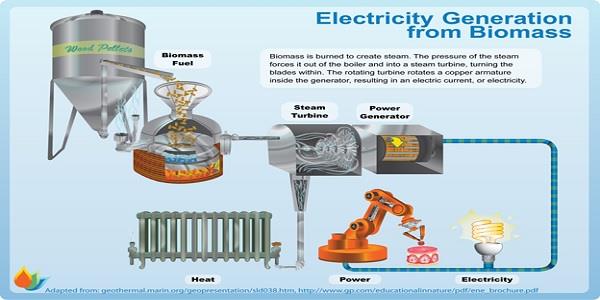
- Direct Combustion: This is the most straightforward method. Biomass is burned to heat water, creating steam. That steam then spins a turbine, which is connected to a generator, producing electricity. It's the same principle as traditional coal-fired power plants, but with a renewable fuel source.
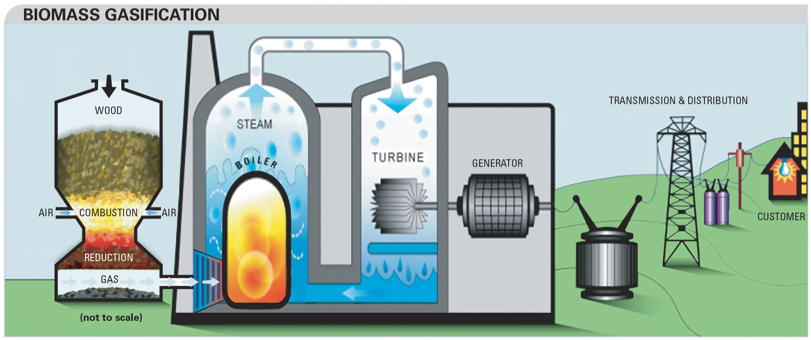
- Gasification: This process heats biomass at high temperatures with limited oxygen, converting it into a gas called syngas (short for synthesis gas). Syngas can then be burned in a gas turbine, used in internal combustion engines, or even refined into biofuels. Think of it as turning waste into high-octane fuel!
- Anaerobic Digestion: This method relies on microorganisms to break down organic matter in the absence of oxygen. This produces biogas, a mixture of methane and carbon dioxide. The biogas can then be burned to generate electricity or heat. It's like a tiny, microscopic power plant working 24/7!
Each method has its advantages and disadvantages, depending on the type of biomass being used and the desired output.
Beyond the Fire: The Modern Biomass Plant
Forget images of smoky old factories! Modern biomass power plants are surprisingly sophisticated. They often incorporate advanced emissions control technologies to minimize air pollution. Imagine sleek, efficient facilities turning waste into clean energy, a bit like the Jetsons… but greener!

Some biomass plants even co-fire biomass with other fuels like coal to reduce emissions and extend the lifespan of existing power plants. It's a pragmatic approach that allows for a smoother transition to a more sustainable energy future.
Why Biomass? The Perks and Quirks
So, why is biomass energy gaining traction? Here's the lowdown:

- Renewable Resource: Unlike fossil fuels, biomass can be replenished. As long as we manage our forests and agricultural practices sustainably, biomass can provide a continuous source of energy.
- Waste Reduction: Biomass utilizes materials that would otherwise end up in landfills, reducing waste and greenhouse gas emissions. It's like turning trash into treasure!
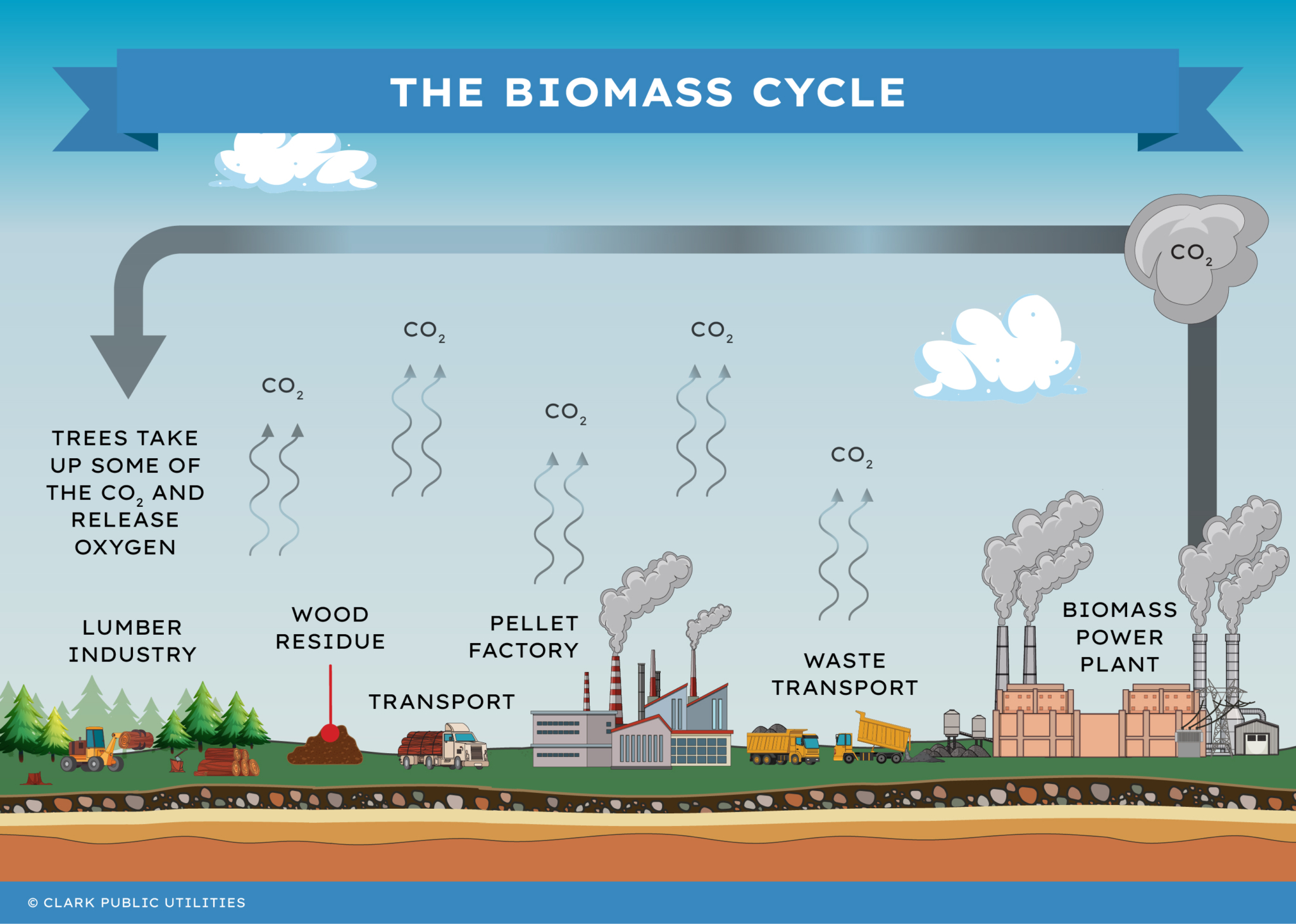
- Carbon Neutrality (Potentially): When biomass is burned, it releases carbon dioxide. However, if the biomass is grown sustainably, the carbon dioxide absorbed during its growth offsets the carbon dioxide released during combustion. The carbon cycle, baby! Important note: This "carbon neutrality" is debated and depends heavily on sustainable practices.
- Local Resource: Biomass can often be sourced locally, reducing transportation costs and supporting local economies. Think farm-to-table… but for energy!
Of course, biomass isn't without its challenges. Deforestation, inefficient combustion, and competition with food production are all potential drawbacks that need careful consideration.
Fun Facts & Practical Tips
- Did you know that some breweries are using their spent grain (the leftover barley from beer making) to generate biogas for electricity? Talk about a happy hour power source!
- Got a wood-burning fireplace? Make sure you're burning seasoned wood to reduce smoke and emissions. Plus, it burns hotter!
- Support local initiatives that promote sustainable forestry and responsible biomass practices. Every little bit helps!
The Big Picture: Biomass in Our Daily Lives
Biomass energy might seem like a distant concept, but it's likely playing a role in your life already. From the electricity powering your laptop to the heat keeping you warm in winter, biomass could be contributing to your daily energy mix. By understanding how it works and supporting sustainable practices, we can all contribute to a cleaner, more resilient energy future. Think of it as planting a seed for a brighter tomorrow… powered by nature!