How Is Biomass Energy Used To Generate Electricity
Ever wonder where electricity comes from beyond the plug in your wall? It's not just power plants humming away! One fascinating source is biomass energy – and it's way cooler than you might think. We're talking about turning things like wood scraps, agricultural waste, and even that old Christmas tree into power. It's like a real-life science experiment, and understanding it helps us appreciate the ingenuity behind sustainable energy!
So, how does this biomass magic happen? Basically, it's about burning stuff, but in a controlled and efficient way. The process starts with biomass, which is any organic matter from plants and animals. This could be anything from leftover corn stalks to sustainably harvested wood. Think of it as nature's leftovers getting a second chance.
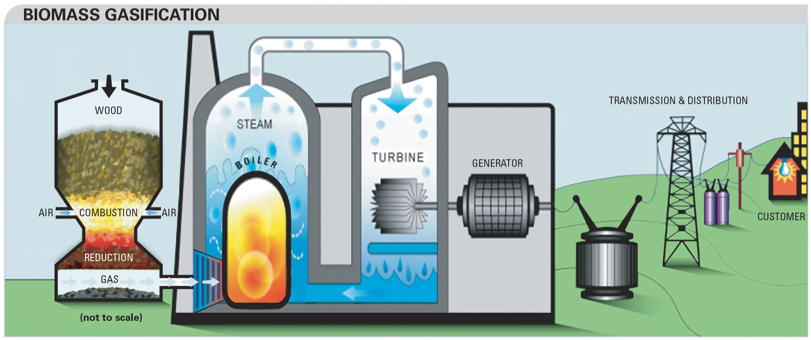
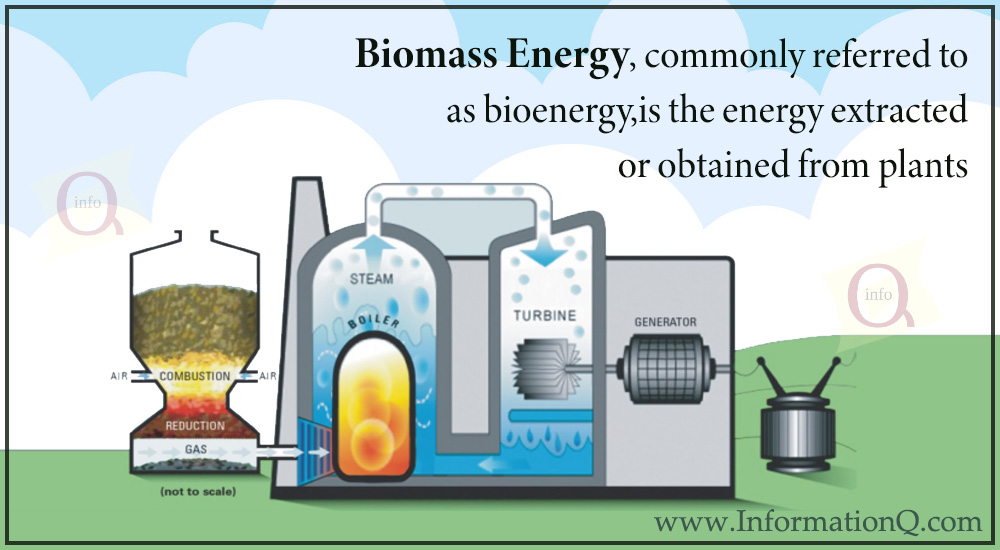
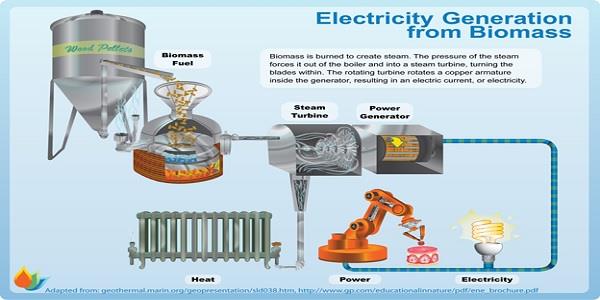
The most common method is direct combustion. It's just like burning wood in a fireplace, but on a much larger scale. The biomass is fed into a boiler, where it's burned to heat water. This creates steam, which then spins a turbine connected to a generator. And guess what? That generator creates electricity! The same electricity that powers your lights, charges your phone, and lets you watch your favorite shows. For beginners, the key takeaway is that burning biomass creates steam, which then drives a turbine to make electricity, similar to how coal or natural gas power plants work.
Must Read
For families and hobbyists, understanding biomass can be a fun way to explore renewable energy options. Imagine discussing with your kids how leftover food scraps, after being processed into biogas through anaerobic digestion, could potentially power your home! Or consider the hobby farmer who uses agricultural waste to generate heat and electricity for their operations – it's a way to reduce waste and save money while being eco-friendly. Plus, it can spark interesting conversations about sustainable living and the importance of finding alternative energy sources.
There are variations beyond direct combustion too. For example, gasification converts biomass into a gas called syngas, which can then be burned more cleanly and efficiently. Anaerobic digestion is another method that uses microorganisms to break down biomass in the absence of oxygen, producing biogas (mostly methane) that can be burned to generate electricity. Think of it as letting tiny microbes do the work of creating fuel!
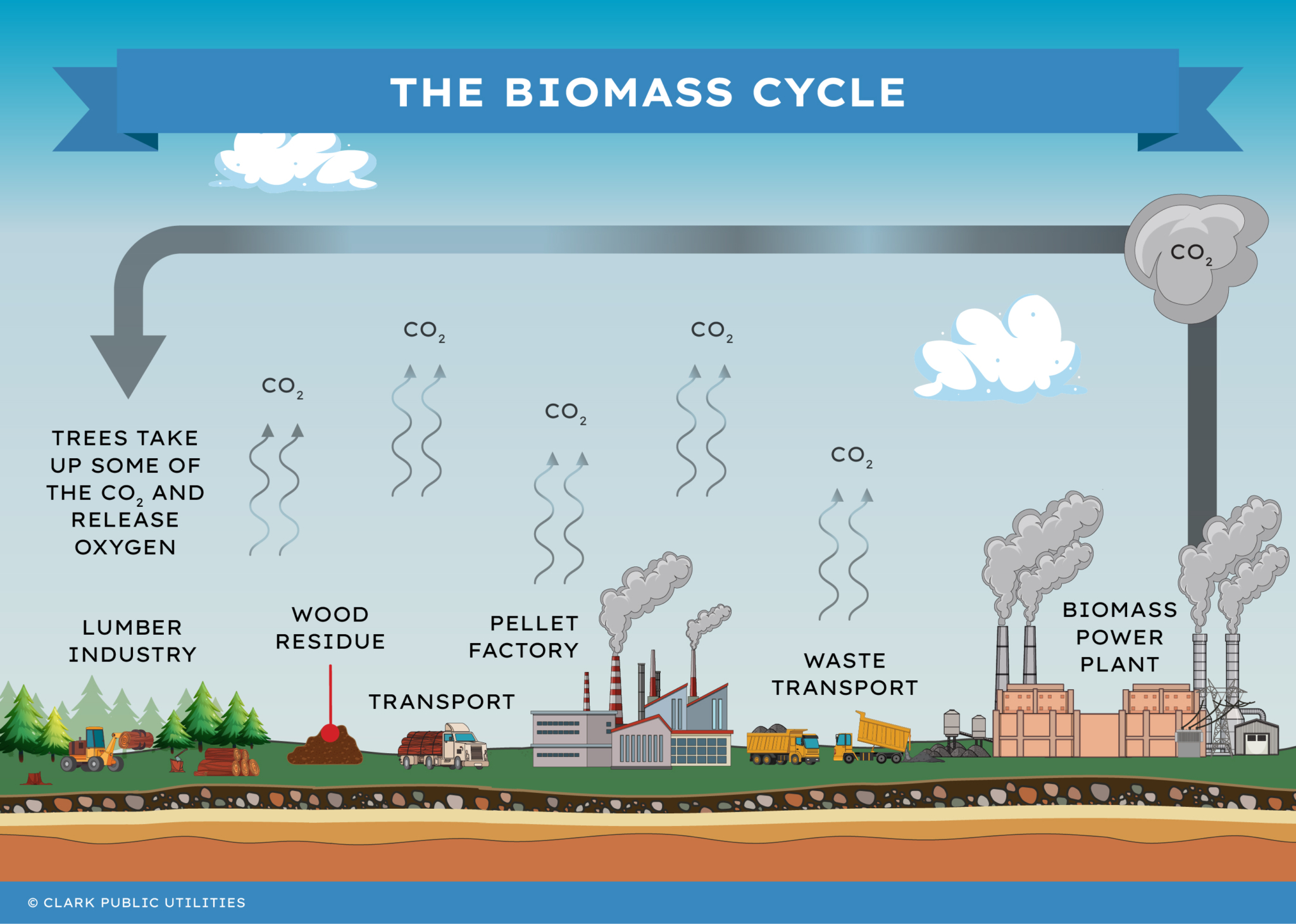
Want to get started learning more? A simple, practical tip is to look into local biomass energy initiatives in your area. Many communities are exploring biomass as a way to reduce reliance on fossil fuels. Visit your local library or search online for information on renewable energy projects in your region. You might even find opportunities to volunteer or participate in community discussions. Also, research the types of biomass available in your region – are there abundant forests nearby? Large agricultural operations? Understanding your local resources is a great first step.
Learning about biomass energy is not only informative but also empowering. It opens your eyes to the possibilities of sustainable energy and the potential for a greener future. So, the next time you see a pile of wood chips or hear about agricultural waste, remember that it could be more than just discarded material – it could be the fuel that powers our lives in a more sustainable way. It's a pretty cool thought, isn't it?