
How Is Biomass Energy Converted Into Electricity
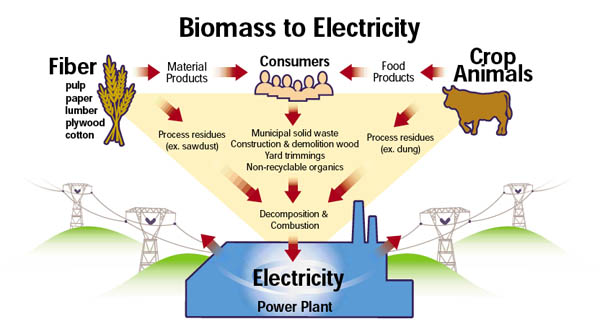
Ever wonder how we can turn plants and garbage into electricity? It's not magic, but it's pretty darn close! We're talking about biomass energy, and it's way cooler than you might think. Get ready for a wild ride into the world of renewable power!
The Biomass Bonanza: From Trash to Treasure
Imagine your leftover pizza crust powering your video games. Sound crazy? Well, biomass energy is all about using organic matter—stuff that was once living—to create electricity. Think wood, crops, even your food scraps!
This isn't some futuristic fantasy. We've been burning wood for heat for ages. Now, we're just getting smarter about it, and scaling up, big time!
Must Read
Direct Combustion: The Old-School Burn
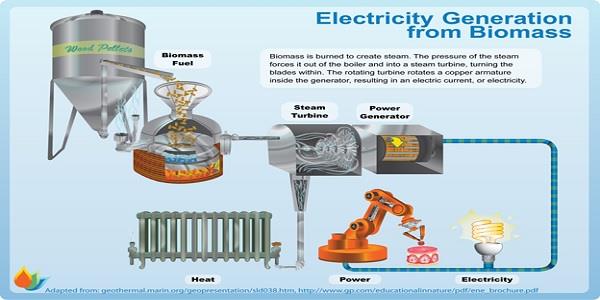
One way to get electricity from biomass is by burning it. Yep, just like a good old-fashioned bonfire, but way more controlled. This is called direct combustion.
Huge furnaces burn things like wood chips, agricultural waste, or even specially grown energy crops. The heat from the fire boils water, creating steam. That steam then spins a turbine, which is connected to a generator, and boom – electricity!
It's like a giant, eco-friendly steam engine powering your life. Pretty neat, huh?
Gasification: Turning Biomass into a Gas
But wait, there's more! We can also use a process called gasification. This is where things get a little more sci-fi.
Instead of fully burning the biomass, we heat it up with very little oxygen. This creates a gas called syngas, which is a mixture of hydrogen, carbon monoxide, and other goodies.
Think of it like baking a cake in a sealed oven. You're not burning the ingredients, you're transforming them!

This syngas can then be burned in a gas turbine, similar to those used in natural gas power plants. Or, it can be used to produce other chemicals and fuels, making it a super versatile process.
Pyrolysis: Biomass Gets Baked!
Want another option? How about pyrolysis? This is like baking the biomass at super high temperatures without any oxygen.
This process breaks down the biomass into liquid bio-oil, solid biochar, and gases. Bio-oil can be used to generate electricity or even refined into transportation fuels.
Biochar? That's the solid stuff left over. Farmers can use it to improve soil health! Waste not, want not, right?
Anaerobic Digestion: Let the Bugs Do the Work!
Ready for the weirdest (and coolest) method? It's called anaerobic digestion. Here, we let bacteria do all the heavy lifting!
Organic waste, like food scraps and manure, is put into a sealed container without oxygen. Bacteria chow down on this stuff and release biogas, mostly methane.

Methane, my friend, is the same stuff that makes up natural gas! This biogas can then be burned to generate electricity. It's like a tiny, microscopic power plant in a tank!
Why Biomass is a Big Deal
So, why all the fuss about biomass? Well, it's a renewable energy source. We can always grow more trees and crops, ensuring a continuous supply.
Plus, it can help reduce our reliance on fossil fuels, which are a major contributor to climate change. Every little bit helps!
Biomass can also help manage waste. Turning garbage into electricity is a win-win. Reducing landfill space and creating energy at the same time? Yes, please!
The Nitty-Gritty: Biomass Challenges
Okay, so biomass isn't perfect. There are some challenges to consider. Growing energy crops can take up land that could be used for food production. We need to be careful about how we manage land use.
Burning biomass can also release air pollutants. However, modern biomass plants use advanced technologies to minimize emissions. Plus, it's still generally cleaner than burning coal.
Sourcing biomass sustainably is crucial. We need to ensure that we're not depleting forests or harming ecosystems. Luckily, there are certifications and guidelines to help ensure responsible biomass harvesting.
The Future of Biomass Energy
Despite the challenges, biomass energy has a bright future. With ongoing research and development, we can make it even more efficient and sustainable.
Scientists are working on improving gasification and pyrolysis processes. They're also developing new ways to grow energy crops that require less water and fertilizer.
Imagine a world where our waste powers our cities and our fields provide clean energy. Biomass energy can help us get there!
Biomass in Action: Real-World Examples
Want to see biomass energy in action? There are biomass power plants all over the world. They're powering homes, businesses, and even entire communities.
In some countries, wood pellets are a popular heating fuel. They're made from compressed sawdust and wood scraps. They’re a cleaner alternative to traditional wood-burning stoves.

Many farms are using anaerobic digesters to turn manure into biogas. They can then use this biogas to power their operations or sell it to the grid. Talk about closing the loop!
Get Involved: The Biomass Buzz
Want to learn more about biomass energy? There are tons of resources available online. Check out websites from universities, government agencies, and renewable energy organizations.
You can also support companies that are developing biomass technologies. Invest in renewable energy funds or advocate for policies that promote biomass energy.
Even small changes in your own life can make a difference. Compost your food scraps, support local farmers, and reduce your overall consumption. Every action counts!
Biomass: It's Not Just Fuel, It's an Adventure!
Biomass energy is more than just a way to generate electricity. It's a fascinating intersection of science, agriculture, and environmentalism. It's about finding creative ways to use our resources wisely.
So next time you throw away a banana peel, remember that it could one day power your phone. Who knows? Maybe you'll be the one to invent the next breakthrough in biomass technology!
The future of energy is in our hands (and in our compost bins!). Let's embrace the biomass revolution and create a cleaner, more sustainable world. It's an adventure waiting to happen!