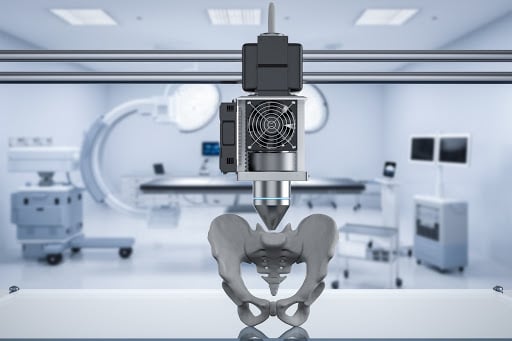
How Is 3d Printing Used In The Medical Field
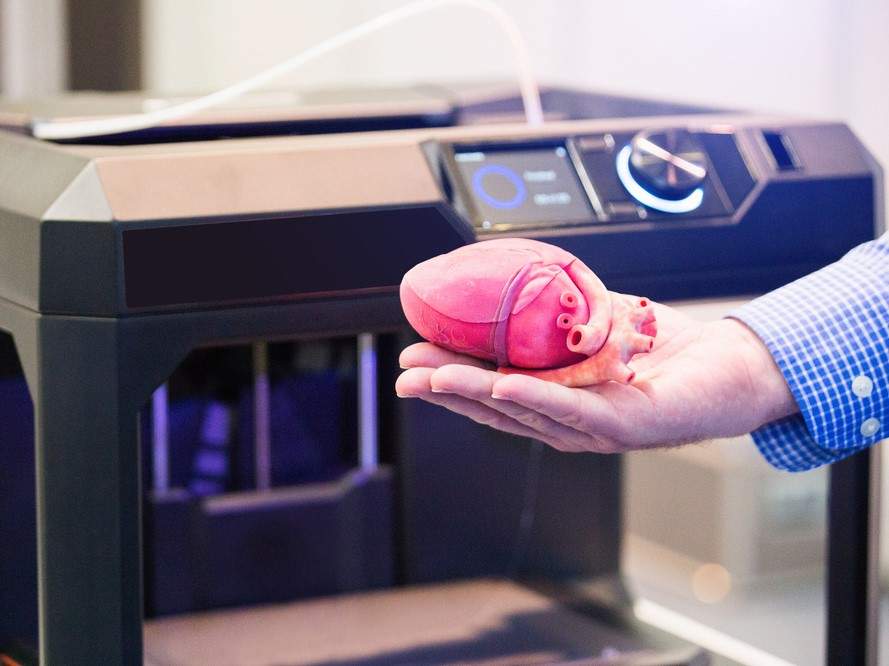
Ever imagined a world where doctors could print out a brand new ear? Or maybe a custom-fit bone? Well, hold on to your hats, because that future is now! 3D printing, once a sci-fi dream, is making waves in the medical field, and it's way cooler than you think.
Printing Body Parts? Seriously?
Yep, seriously! Forget waiting around for generic implants. 3D printing allows doctors to create things tailored exactly to a patient's needs. We're talking about stuff like:
- Prosthetics: Imagine getting a prosthetic hand that fits perfectly and even matches your skin tone! 3D printing makes prosthetics more affordable and accessible, a win-win for everyone.
- Implants: Need a new piece of skull? How about a jawbone? 3D printers can whip those up with incredible precision, ensuring a perfect fit and faster healing.
- Surgical Guides: Think of these as custom-made stencils for surgeons. They help doctors make super accurate cuts and placements during complex procedures. It's like having a GPS for surgery!
It's like something out of a movie! But this is real life, folks, and it's changing lives every day.
Must Read
Why is This So Awesome?
Okay, so printing body parts sounds cool, but what's the big deal? Here's the scoop:
It's Personalized: Forget one-size-fits-all. 3D printing allows for super-customized solutions. This means better fit, better function, and better overall results for patients. It’s like getting a tailor-made suit, but for your insides!
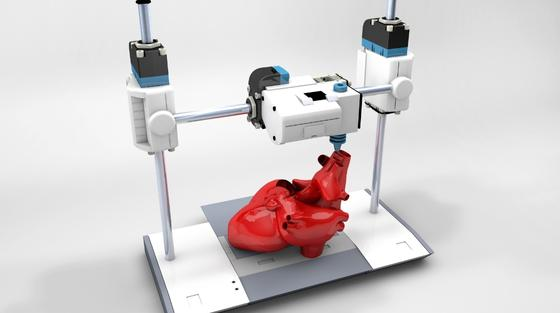
It's Faster: Traditional methods of creating implants or prosthetics can take weeks, even months. 3D printing can drastically cut down on that time. More immediate care, means more comfort for the patient.
It's More Affordable: Surprisingly, 3D printing can be a more cost-effective option than traditional methods, especially for customized solutions. This means more people can access the care they need.
It's a Game Changer for Training: Medical students can use 3D printed models of organs and bones to practice complex procedures. Imagine practicing brain surgery on a realistic, 3D printed brain before ever touching a real patient! That's a pretty incredible learning experience.
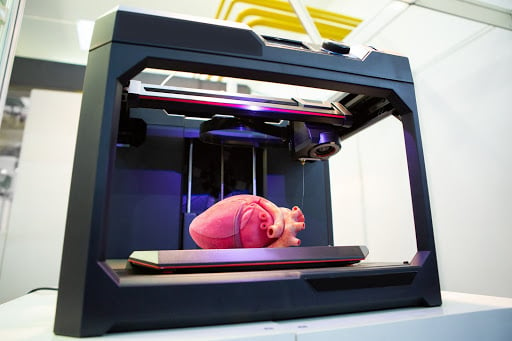
From Scans to Solutions: How Does It Work?
So, how does a printer turn a scan into a bone? It's all thanks to some clever technology. Here's the basic process:
- Scanning: Doctors use imaging techniques like CT scans or MRIs to create a detailed 3D model of the patient's body part.
- Designing: Using specialized software, engineers and doctors design the perfect implant, prosthetic, or surgical guide. They can customize the shape, size, and even the internal structure to meet the patient's specific needs.
- Printing: The design is then sent to a 3D printer, which uses materials like plastics, metals, or even bio-materials to build the object layer by layer.
- Finishing: Once the printing is complete, the object may undergo some post-processing, such as polishing or sterilization, before it's ready for use.
It's like creating a digital Lego masterpiece that can save lives!

The Future is 3D (and Healthy!)
3D printing in medicine is still a relatively young field, but the possibilities are endless. Researchers are exploring even more exciting applications, like printing:
- Organs: Imagine a future where we can print out a brand-new liver or kidney for someone in need of a transplant. This is called bioprinting. Researchers are working hard to make this a reality!
- Medications: 3D printing could allow for customized medications tailored to a person's individual genetic makeup. Talk about personalized medicine!
The field of 3D printing is constantly evolving, and the medical field is embracing the technology. It’s truly inspiring to see how innovation can transform healthcare and improve people's lives. Who knows, maybe one day we'll all have a 3D printer in our homes, churning out personalized vitamins and custom-fit bandaids. A world where health is literally at our fingertips! Keep an eye on companies like
Stratasysthat are pushing the boundaries of medical possibilities.
So, next time you hear about 3D printing, remember it's not just about toys and trinkets. It's about revolutionizing medicine and creating a healthier, happier future for everyone. It's a story that's still being written, and it's one we're all excited to watch unfold!