How Hot To Pre-heat Aluminum For Tig Welding
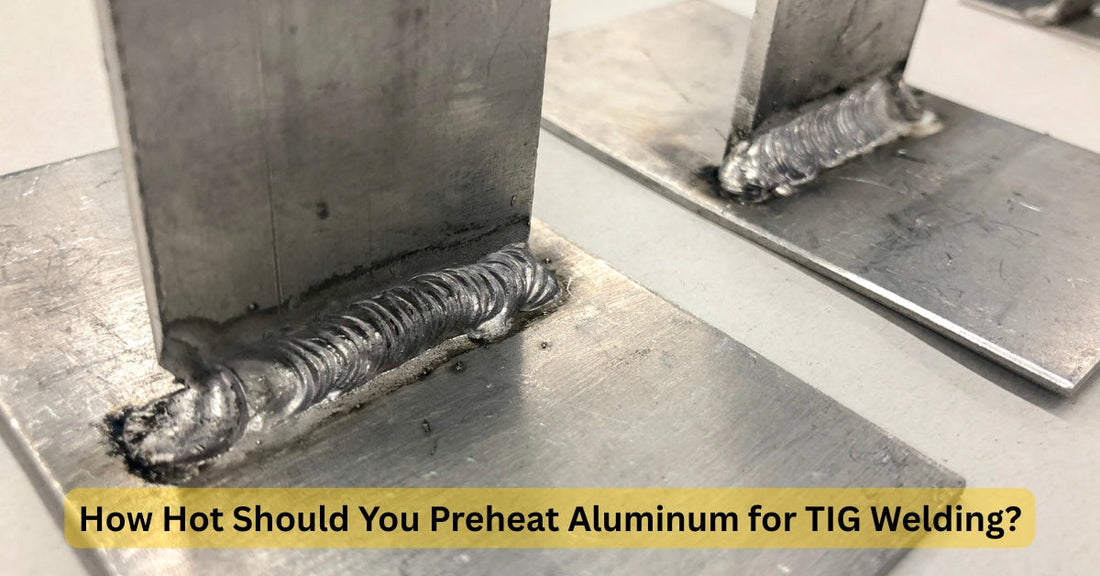
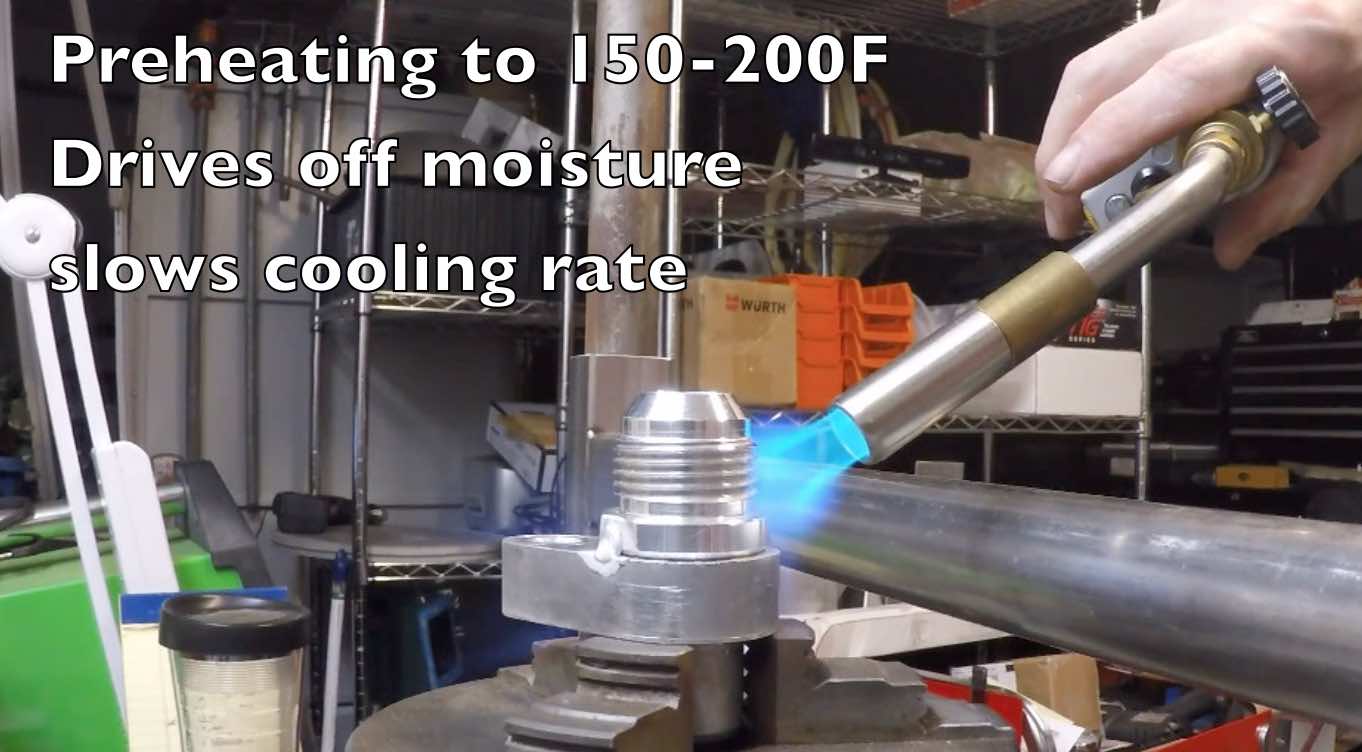
Alright, let's talk about welding aluminum, specifically with TIG. It's a bit like baking, isn't it? You wouldn't just throw a cake in a cold oven, right? Same deal with aluminum. Preheating? It's often your secret weapon for getting a beautiful, strong weld.
Why Even Bother Preheating Aluminum?
Okay, so why can't we just skip this step and dive right in? Well, aluminum is a bit of a drama queen when it comes to temperature. It loves to conduct heat, like a superhighway for thermal energy. This means when you start welding, the heat from your TIG torch gets sucked away from the weld area incredibly quickly. This can lead to all sorts of headaches.
Think of it like this: imagine trying to melt a small ice cube on a giant block of ice. The block is going to suck all the heat away, and that ice cube is going to take forever to melt, if it melts at all! Preheating is like warming up that big block of ice a little bit. Makes things easier, doesn't it?
Must Read
Here’s the lowdown on why preheating is so important:
- Reduces Porosity: Porosity, those tiny little bubbles in your weld, weakens the final product. Preheating helps get rid of moisture and contaminants lurking in the aluminum, dramatically reducing porosity.
- Improved Fusion: A preheated workpiece will melt more evenly with the welding arc, leading to a smoother, stronger, and more consistent weld. Think of it like buttering your pan before baking – everything melds together better!
- Lower Amperage: By preheating, you're essentially giving your weld a head start. This means you can often use lower amperage settings on your TIG welder. Less heat input, less distortion, and a happier welder (that's you!).
- Prevents Cracking: Aluminum is susceptible to cracking, especially when it cools down too quickly. Preheating slows down the cooling process, minimizing stress and preventing those nasty cracks.
So, How Hot is Hot Enough?
That's the million-dollar question, isn't it? There's no one-size-fits-all answer, unfortunately. It depends on a few factors, including the alloy of aluminum you're working with, the thickness of the material, and the overall size of the piece. Think of it like adjusting the oven temperature based on what you're baking – cookies versus a roast.

However, as a general guideline, you’re often looking at a range between 200°F and 400°F (93°C to 204°C). I know, that’s still a pretty big range!
For thicker aluminum (think quarter-inch or thicker), you'll likely want to lean towards the higher end of that range. Thinner materials might only need a lighter preheat. It's all about finding that sweet spot where the aluminum is warm enough to help with fusion, but not so hot that you end up with excessive distortion.
Here's a little cheat sheet to get you started:
- Thin Aluminum (1/8" or less): 200°F - 250°F (93°C - 121°C)
- Medium Aluminum (1/8" - 1/4"): 250°F - 350°F (121°C - 177°C)
- Thick Aluminum (1/4" or more): 350°F - 400°F (177°C - 204°C)
How Do You Actually Preheat It?
Alright, so you know why and how hot, but how do you actually get that aluminum nice and toasty? There are a few different methods you can use.
- Oven: The most consistent and controlled method. If you have access to an oven that's big enough, this is a great option.
- Heat Gun: A good, reliable heat gun can work wonders. Just make sure to move it around evenly to avoid overheating any one spot.
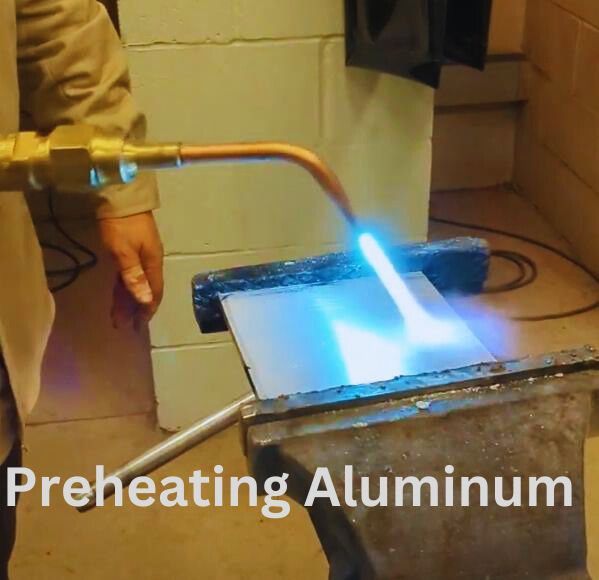
- Propane Torch: Can be effective, but requires a delicate touch. Keep the flame moving and be very careful not to overheat the aluminum. You don't want to melt it before you even start welding!
Important Tips and Tricks
Before you crank up the heat, here are a few more nuggets of wisdom:
- Cleanliness is Key: Make sure your aluminum is spotlessly clean before you start preheating. Remove any dirt, grease, or oxides with a stainless steel brush or a dedicated aluminum cleaner.
- Use a Temperature Indicator: Don't just guess! Use a temperature crayon, an infrared thermometer, or a thermocouple to accurately measure the temperature of your aluminum.
- Monitor the Temperature: Keep an eye on the temperature throughout the welding process. If the aluminum starts to cool down too much, you might need to reapply some heat.
So there you have it! Preheating aluminum for TIG welding might seem like a small detail, but it can make a huge difference in the quality and strength of your welds. Experiment, practice, and don't be afraid to adjust your technique based on the specific project you're working on. Happy welding!