How Hot Do Space Heaters Get

Alright, picture this: it’s the dead of winter, your thermostat is playing hard to get (or maybe your landlord is just, ahem, frugal), and you’re wrapped in three blankets, contemplating whether fingerless gloves count as office wear. Your nose is cold, your toes are icicles, and you just want that sweet, sweet warmth to engulf you. That’s when your eyes land on it – the trusty (or perhaps suspiciously ancient) space heater, humming quietly in the corner, promising a glorious escape from the arctic conditions.
You turn it on, and almost immediately, you feel a little wave of heat. A tiny, miraculous sun in your personal tundra. But then, a thought creeps in, doesn't it? "How hot does this thing actually get? Am I about to accidentally melt my socks? Or worse, my ambition for the day?"
Yeah, I’ve been there. You’ve been there. We’ve all been there, wondering if we’re operating a miniature furnace or just a very aggressive hair dryer. So, let's pull back the curtain and peek behind the fiery glow, shall we?
Must Read
The Lowdown: It Depends (Surprise!)
First off, there isn't one single answer like, "Oh, they all hit exactly 300 degrees!" (Though that would be quite the party trick for a chilly room, wouldn't it?). The heat output of a space heater is like a nuanced conversation – it depends on the type of heater, its wattage, and its intended purpose. But let's break it down into some common contenders.
Convection vs. Radiant: The Heating Showdown
Think of space heaters in two main camps:
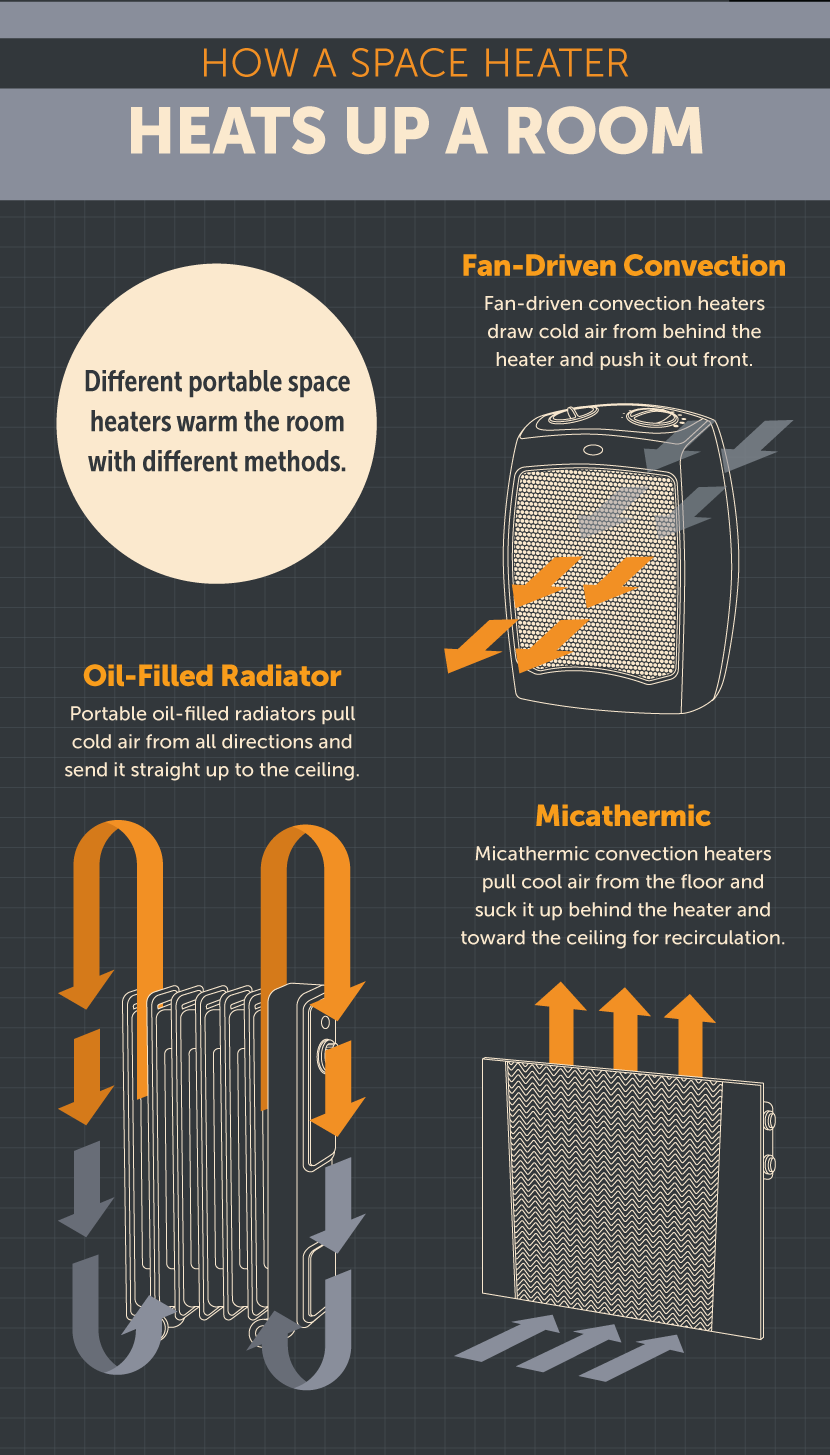
1. Convection Heaters (The Air-Warmers):
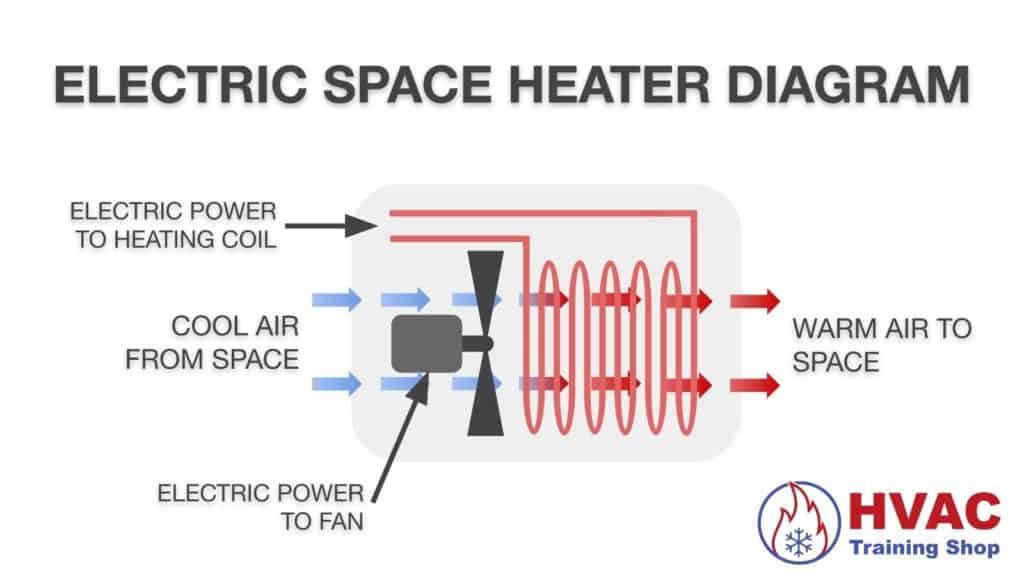
- Fan Heaters: These are probably the most common. They literally blow air over a heated coil. The air coming out can feel pretty warm, typically in the range of 120-150°F (49-66°C), sometimes even a bit higher right at the vent. The exterior casing, however, usually stays much cooler thanks to safety features – warm to the touch, but generally not burn-your-fingers hot. Phew!
- Oil-Filled Radiators: Those silent, clunky behemoths that look like old-school radiators? They heat oil inside, which then heats the metal fins, which in turn heats the air. They take a while to get going, but once they do, they radiate a steady, even warmth. The surface temperature can reach anywhere from 150-200°F (66-93°C). Warm enough to make you respect it, but usually not quite "instant burn" territory on the outer fins.
These types primarily heat the air in the room, creating an overall cozy vibe. They’re less about direct heat and more about ambient warmth. Great for general room warming, you know?
2. Radiant Heaters (The Object-Warmers):
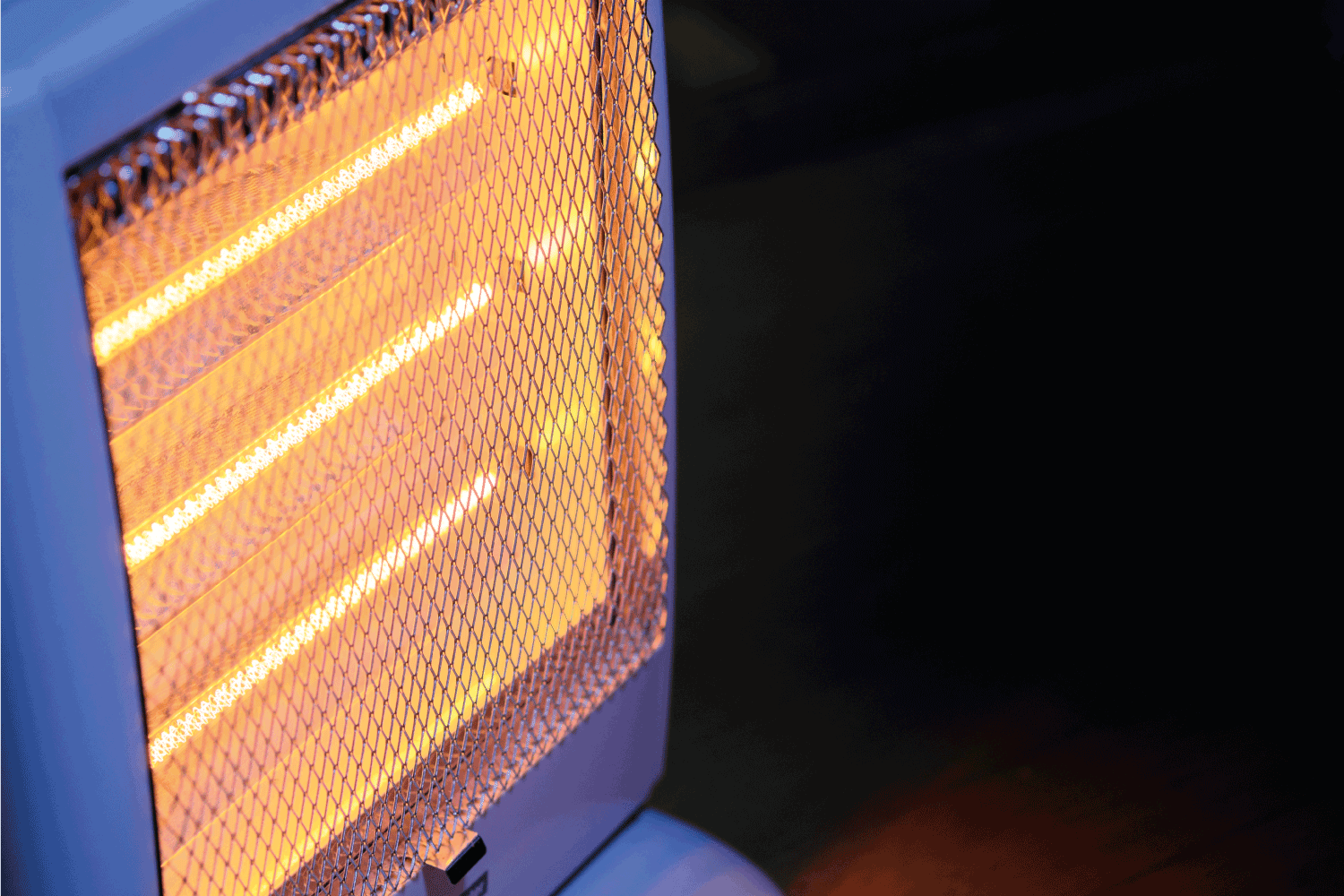
- Quartz, Infrared, or Ceramic Plate Heaters: These are the rock stars of direct heat. Instead of warming the air, they emit infrared radiation that directly warms objects (and people!) in their path. Think of standing in direct sunlight on a cold day – you feel warm, but the air around you might still be chilly.
- The Glow Factor: And here’s where things get really hot. The actual heating elements (those glowing coils or ceramic plates) in these units can reach mind-boggling temperatures, often upwards of 500°F (260°C), and some can even hit 1000°F (538°C) or more! Yeah, you read that right. These are the ones that sometimes look like they're trying to achieve nuclear fusion in your living room.
So, if you’ve ever seen a space heater with a visibly red, glowing element, you’re looking at something that could easily cook an egg (though I highly advise against trying – seriously, don't). The casing around these elements, thanks to clever design, should remain significantly cooler, but still, you wouldn't want to cuddle up to the business end of one.
Safety First, My Warm-Seeking Friend!
Now, before you start eyeing your space heater with a new mix of awe and terror, remember that modern heaters are designed with safety in mind. Most come equipped with:

- Thermostats: To keep them from running indefinitely and overheating your room (or, you know, the planet).
- Tip-Over Switches: If your clumsy cat (or you, no judgment here) knocks it over, it automatically shuts off. Genius!
- Overheat Protection: If internal components get too hot, it switches off. A real lifesaver.
These features are crucial because, while a space heater is your best friend on a chilly day, it can also be a fire hazard if misused. Always keep them away from anything flammable – curtains, blankets, that stack of old newspapers you’ve been meaning to recycle. Give them space, literally.
The Takeaway? Respect the Heat!
So, how hot do space heaters get? From a pleasant 120°F breeze to glowing elements scorching past 1000°F, it's a wide spectrum. The key is understanding what kind of heat you're dealing with. If it's warming the air, it's generally a more distributed, less intense heat. If it's got glowing parts, it's a direct heat powerhouse, and those elements are dangerously hot.
Ultimately, space heaters are fantastic tools for personal comfort, especially when your central heating is on strike. Just remember to treat them with the respect their powerful little heating elements deserve. Stay warm, stay safe, and maybe just stick to a mug of hot cocoa for your toasty treats, okay?