How Hot Do Christmas Lights Get

The holiday season rolls around, and what's the first thing many of us reach for? Those twinkling strands of Christmas lights! They adorn our trees, outline our homes, and bring that undeniable sparkle to cold winter nights. But amidst all that festive glow, have you ever stopped to wonder: just how hot do these little beacons of joy actually get?
The Warm Embrace of Yesteryear's Glow
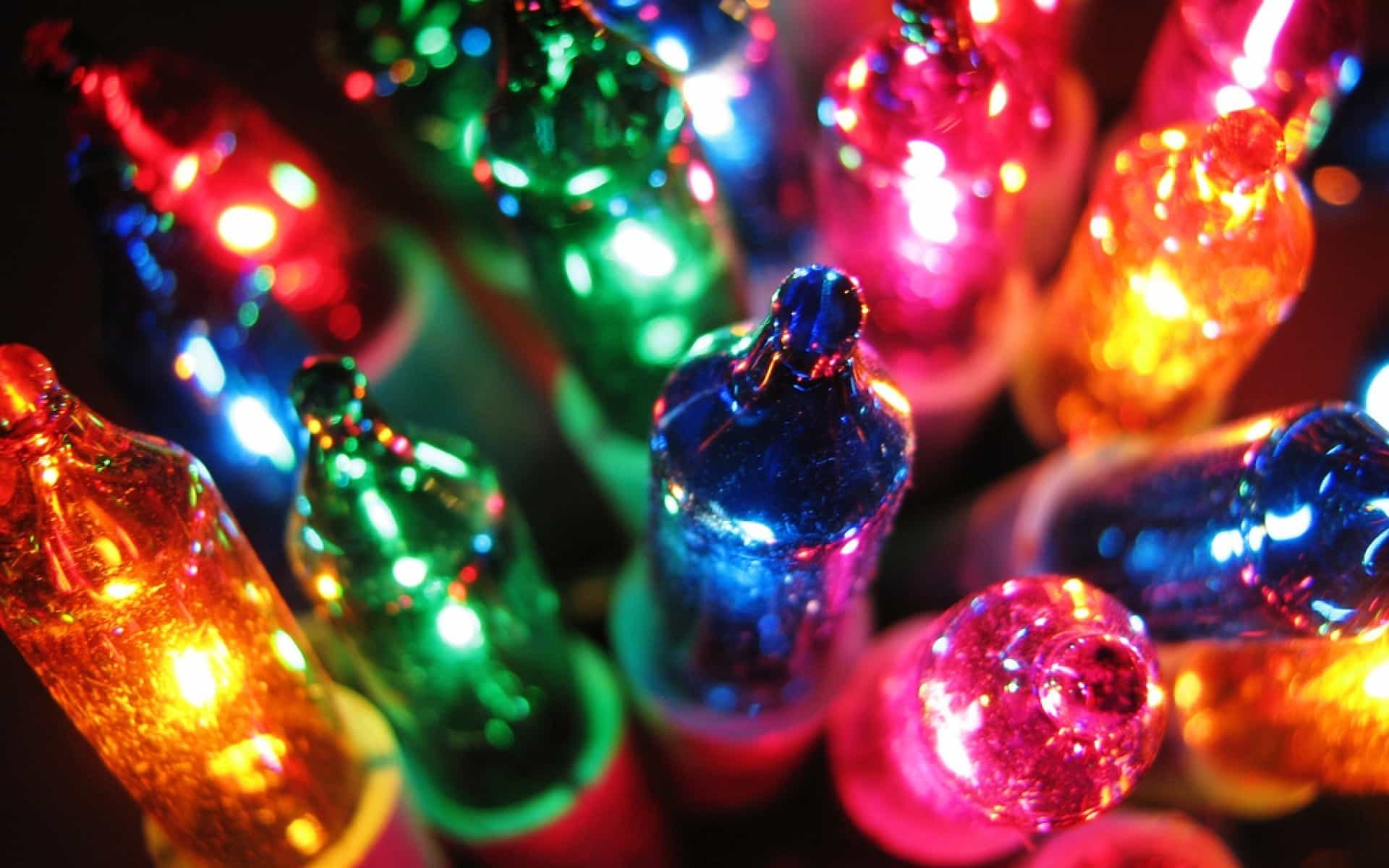
Let's take a trip down memory lane, back to the era of classic, old-school incandescent Christmas lights. If you've ever tried to change a bulb on a string of these that's been lit for a while, you know the feeling. It's not just warm; it can be downright hot! Think of it like holding a tiny, enthusiastic baked potato right out of the oven. These bulbs work by heating a tiny wire filament until it glows, and as you might guess, that process generates a lot of heat as a byproduct.
This warmth isn't just a fun fact; it's part of the charm (and sometimes the challenge!) of traditional lights. Ever notice how a string of outdoor incandescents can melt a perfect little path through a light dusting of snow? That's not magic, folks; that's the cozy glow of your lights creating their own miniature microclimate! You could almost argue they’re giving the frosty air a tiny, warm hug.
Must Read
"Our old string of outdoor lights used to melt a perfect semicircle in the snow on our porch railing. We called it the 'light sauna' for tiny snowmen!"
There's a certain nostalgia to that heat. It reminds us of a simpler time, perhaps of carefully draping strands over the tree, feeling the gentle warmth radiating from the branches. For some, the faint smell of hot dust mixing with pine needles is as much a part of Christmas as carols and cookies. And yes, if you're not careful, those older bulbs could definitely warm up your fingers (or melt a plastic ornament if left touching for too long!). It was a small, glowing reminder of the energy being poured into our holiday cheer.

The Cool Revolution: Enter the LEDs
Then came the revolution: LED lights! These clever little wonders changed the game entirely. If you've ever held an LED bulb that's been on for hours, you'll notice something striking: it's barely warm! You can hold it in your hand with no discomfort at all. It's like comparing that enthusiastic baked potato to a cool cucumber.
The difference is all in how they create light. LEDs (Light Emitting Diodes) don't rely on heating a filament. Instead, they produce light through a different, much more efficient process. This means they spend far less energy generating heat and much more energy creating that brilliant, energy-saving sparkle we've come to love.
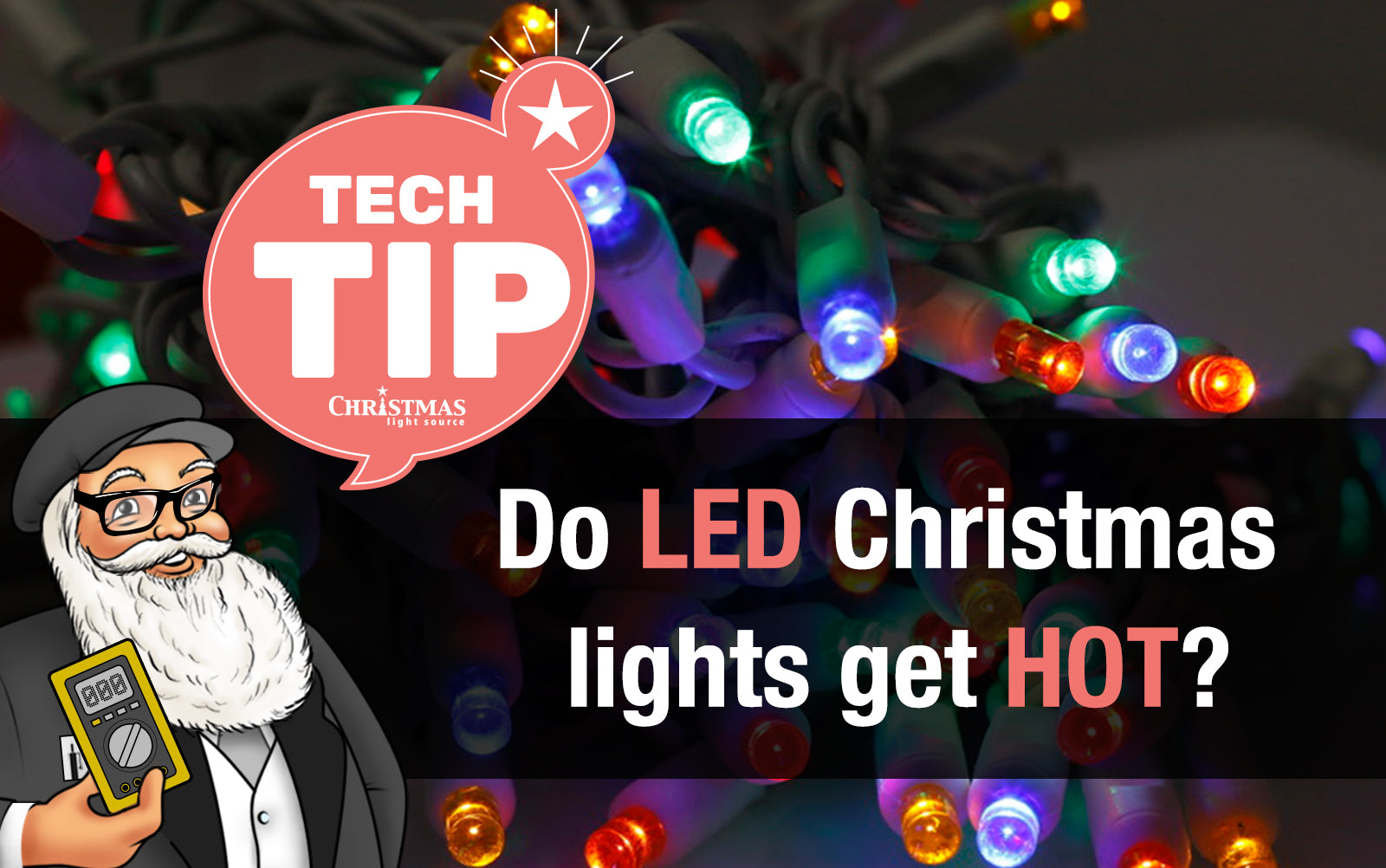
This cooler running temperature isn't just a fun fact; it's a big deal. For starters, it makes them much more energy-efficient, saving you a few pennies on the electricity bill, which is always a nice Christmas bonus! But beyond that, it also makes them incredibly safe. No more worrying about singeing delicate pieces of tinsel, or having to carefully monitor their proximity to flammable decorations. You can literally string them anywhere with much greater peace of mind.
"With LEDs, my cat still bats at the lights, but now I don't worry about her whiskers getting too toasty!"
So, whether your lights are radiating a comforting warmth reminiscent of holidays past, or staying cool as a cucumber with modern efficiency, the real magic isn't in their temperature. It's in the way they transform ordinary spaces into extraordinary festive scenes, bringing smiles, wonder, and that unmistakable holiday cheer to everyone who sees them. Whether hot or not, Christmas lights are undeniably one of the warmest parts of the holiday season in every sense of the word.