How Good Are Electric Tankless Water Heaters
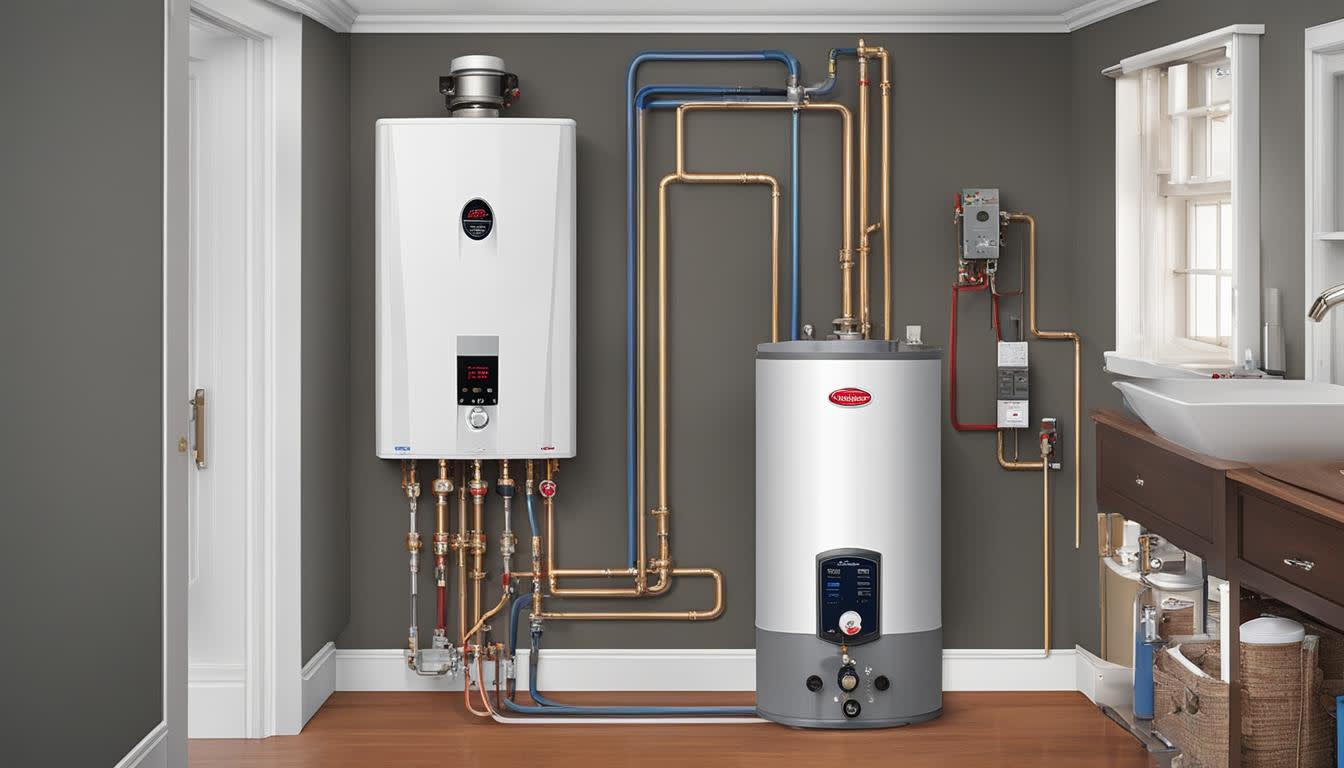
Let's dive into something surprisingly exciting: electric tankless water heaters! Okay, maybe "exciting" is a strong word, but think about it – never running out of hot water mid-shower? That's a small luxury we can all appreciate. Plus, with energy prices always on our minds, understanding how these gadgets work and if they're right for you is a seriously practical piece of knowledge.
So, how good are they really? Well, it depends on what you need. For beginners just starting to explore home improvement, the idea of instant hot water sounds amazing. The main benefit is that you only heat water when you need it, unlike traditional tanks that keep a reservoir hot 24/7. This can potentially save you money on your energy bill, but it’s important to understand your household's hot water usage.
For families, consistent hot water is a lifesaver. Imagine no more arguments about who used all the hot water before bath time! A tankless heater provides hot water on demand, meaning showers, dishwashing, and laundry can all happen simultaneously without a cold water surprise. However, it's crucial to get the right size unit. You'll need to calculate your peak demand – the maximum amount of hot water you're likely to use at one time – to ensure the unit can handle it. Otherwise, you might find the water flow rate drops drastically when multiple appliances are running.
Must Read
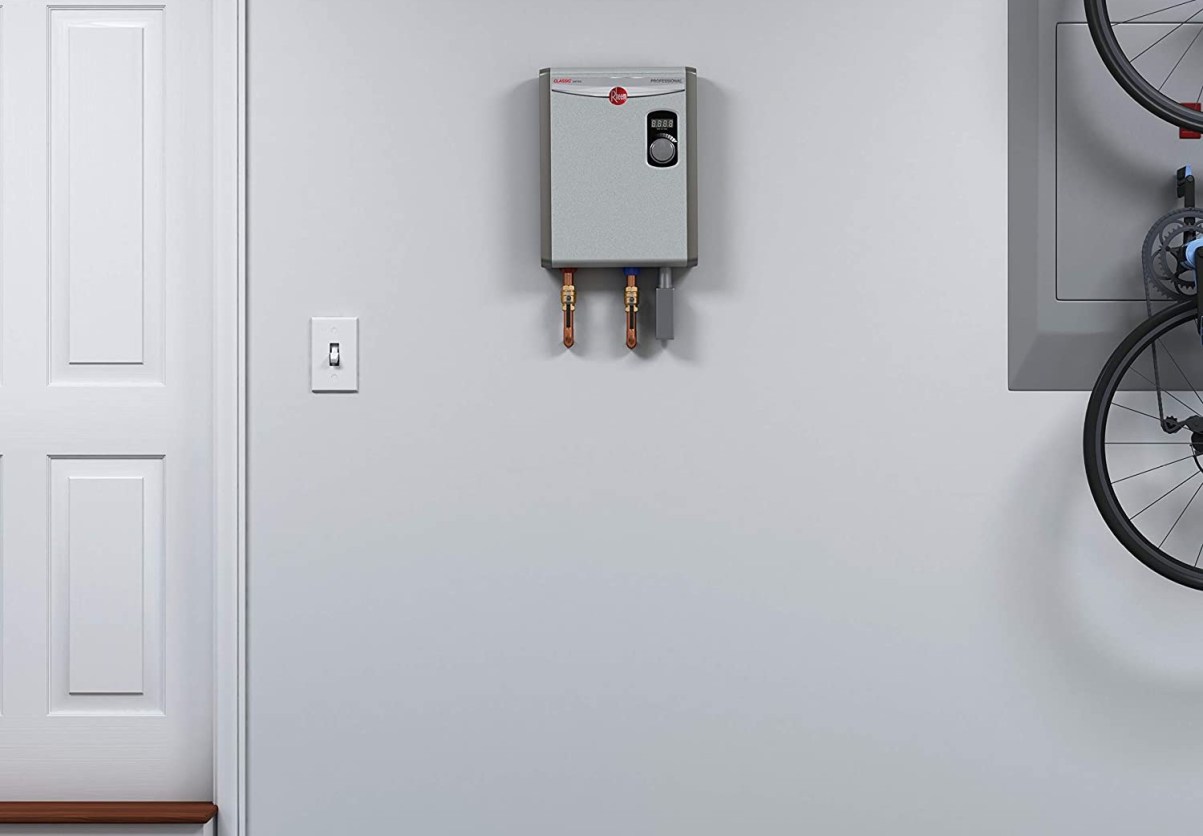
And what about hobbyists? Maybe you have a workshop where you need a reliable source of hot water for cleaning tools or mixing materials. A small, dedicated electric tankless heater can be perfect for this. It avoids the need to run long pipes from your main water heater, saving energy and water. Think about installing one near your utility sink in the garage or basement. There are even point-of-use models specifically designed for single sinks.
One common variation is the whole-house electric tankless water heater, designed to replace a traditional tank. These require significant electrical upgrades, often including a higher amp service. Point-of-use models, on the other hand, are smaller and can often be installed with minimal electrical work. Think of them as the "mini-me" versions, perfect for a single bathroom or a remote location.

Getting started is easier than you think! First, assess your hot water needs. How many showers are taken daily? How often do you run the dishwasher and washing machine? Next, research different models and compare their flow rates (gallons per minute). Don't be afraid to read reviews and ask for advice from plumbers or electricians. Finally, consider the installation costs. Electric tankless heaters often require professional installation to ensure they're wired correctly and safely.
Remember that while electric tankless heaters offer many advantages, they aren't a perfect fit for everyone. If you live in an area with frequent power outages, you'll be without hot water during those times. Also, the initial cost is higher than a traditional tank. But for many, the benefits of continuous hot water, energy savings, and space savings outweigh the drawbacks. It's all about finding what works best for your lifestyle and budget. So, go ahead, explore the world of electric tankless water heaters and enjoy the potential for endless hot showers!