
How Fast Is Wind In A Hurricane

Ever gazed at a dramatic weather satellite image, seeing that colossal swirl of clouds, and wondered just how much raw power it represents? Hurricanes are some of nature's most awe-inspiring and terrifying spectacles, and at the core of their destructive capability is the incredible speed of their winds. Understanding how fast these winds truly are isn't just a fascinating piece of trivia; it's a crucial step in appreciating their danger, preparing effectively, and ultimately, staying safe.
So, why is knowing wind speed so important? Imagine knowing the speed of an approaching train. You wouldn't just know it's "fast"; you'd want to know if it's a slow freight or a bullet train. The same goes for hurricanes. For communities in their path, distinguishing between a Category 1 and a Category 5 storm can mean the difference between minor damage and complete devastation. This knowledge helps meteorologists issue accurate warnings, allows emergency services to plan evacuations, and empowers individuals to make life-saving decisions about securing their homes and families.
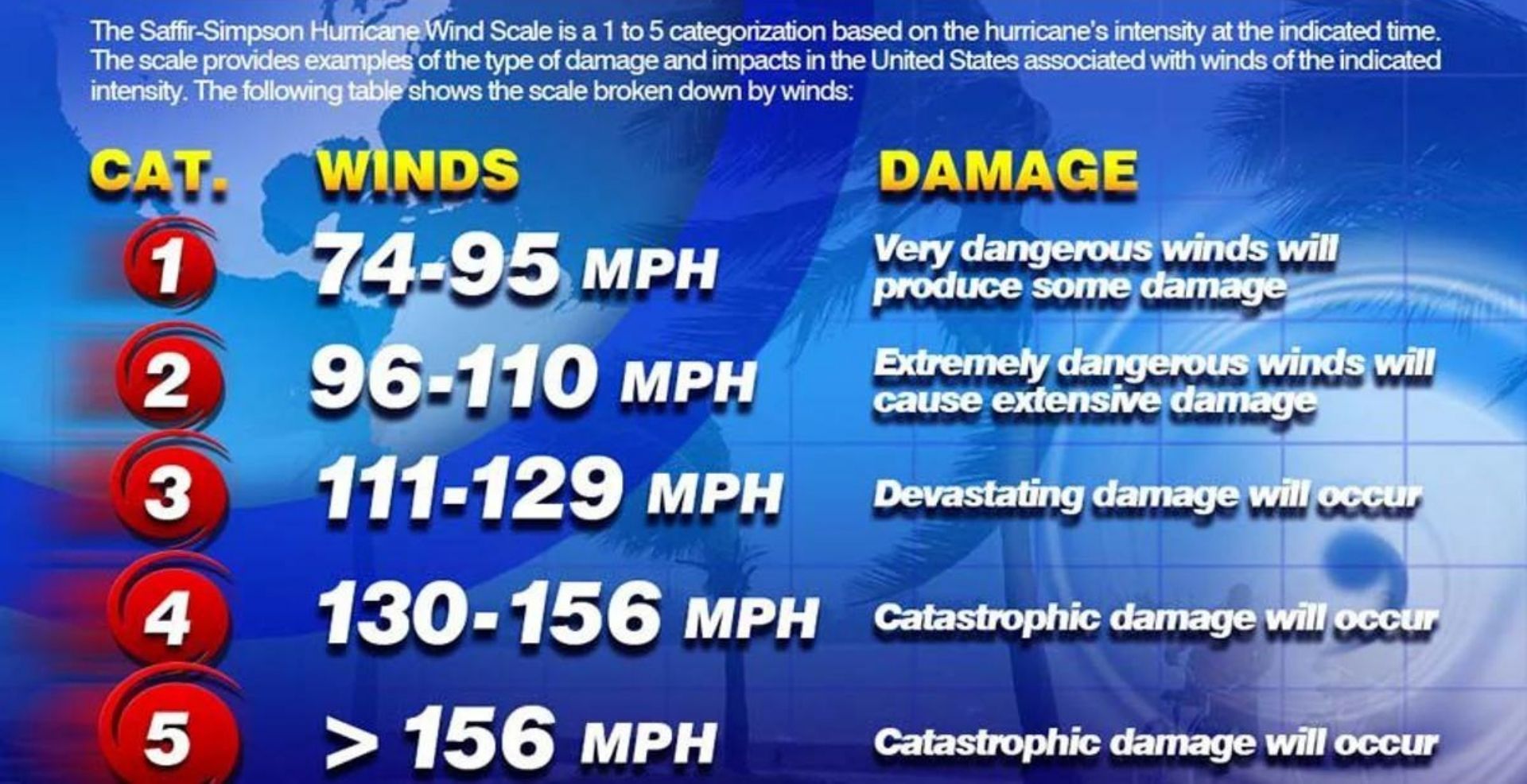
To measure and communicate this power, scientists use the Saffir-Simpson Hurricane Wind Scale. This ingenious system categorizes hurricanes from 1 to 5, based purely on their sustained wind speeds. It’s like a speedometer for the storm itself, giving us a clear, actionable understanding of what to expect.
Must Read
Let's take a whirlwind tour through the categories: A Category 1 hurricane, for instance, packs sustained winds of 74-95 miles per hour (mph). To put that into perspective, that's roughly the speed of a car on a highway, but imagine that force hitting your house constantly, accompanied by heavy rain. It's enough to cause significant damage to roofs, siding, and trees, and can knock out power for days. It's definitely not just a strong breeze!
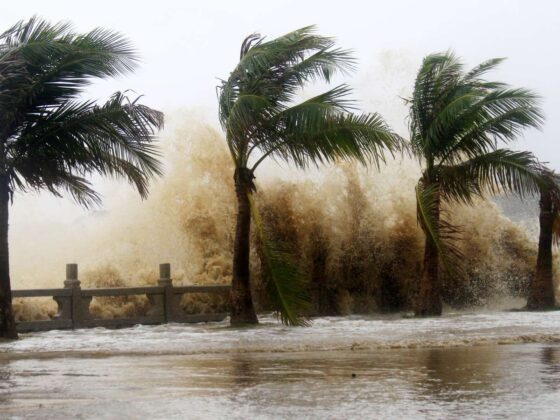
As we climb the scale, the power escalates dramatically. A Category 3 hurricane brings winds of 111-129 mph. Think about driving at over 100 mph – now imagine that force unleashed across miles, tearing apart homes, snapping power lines, and creating widespread chaos. This is considered a "major hurricane", capable of causing devastating damage.
Then there's the truly extreme: a Category 5 hurricane. These monsters feature sustained winds of 157 mph or higher. To visualize this, consider that many small propeller planes cruise at around this speed. When these winds hit, they cause catastrophic damage, levelling homes, toppling well-built structures, and rendering entire areas uninhabitable for weeks or months. It’s a force so immense it feels almost unfathomable, a relentless assault on everything in its path.
It's also worth noting that these are sustained wind speeds. Hurricanes also produce much stronger wind gusts, which are momentary bursts of even higher speed, adding to the destructive potential. So, when you hear those numbers, remember they represent the storm's steady, foundational power, with even more intense spikes.
Ultimately, understanding the speeds of hurricane winds isn't about fear-mongering; it's about empowerment. It gives us a tangible grasp of the natural world's might and helps us respect these storms for the incredible forces they are. This knowledge is a gift, allowing us to prepare, protect ourselves, and minimize harm when nature unleashes its most powerful breath.

