
How Fast Does Wind Have To Be To Be Dangerous
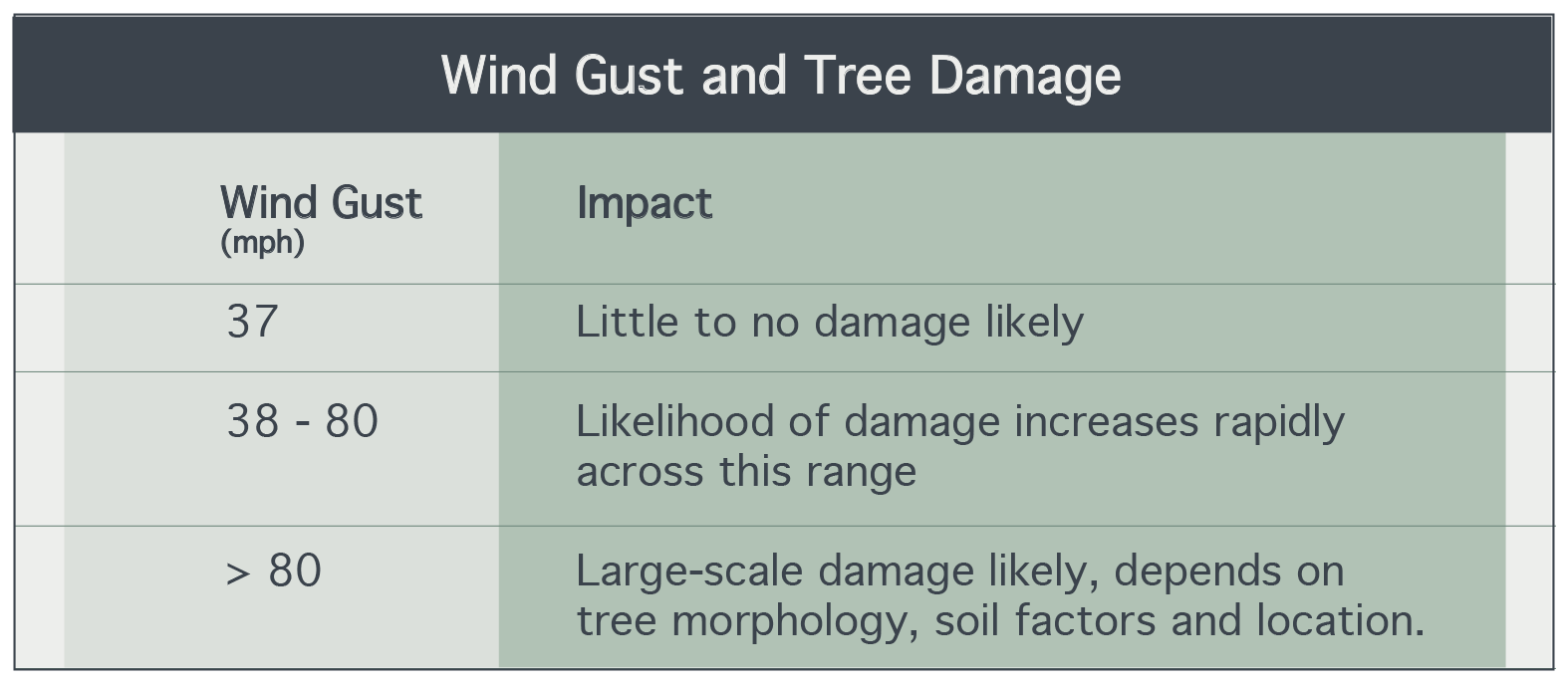
We've all felt a gust of wind ruffle our hair or seen leaves swirling in a playful dance. But at what point does that playful breeze turn into something a bit more…threatening? It's a question that probably pops into your head when you see the weather forecast predicting a "windy day."
The Gentle Breeze: A Tickle, Not a Threat
Let's start with the light stuff. A gentle breeze, maybe 1 to 25 mph, is more likely to carry the scent of freshly cut grass or rustle the pages of your book. It's the kind of wind that makes you want to fly a kite (a small, manageable one, of course!).
Think of it as the wind equivalent of a friendly puppy – energetic, but ultimately harmless. It might even help you dry your laundry faster! So, no danger here, just a pleasant air current.
Must Read
The "Leaves Are Flying!" Wind
Now we're getting somewhere. A moderate breeze, say 25 to 38 mph, starts to make things a bit more interesting. You'll notice small branches swaying, and loose items like newspapers and those pesky plastic bags will start taking flight.
This is where you might consider bringing in your outdoor cushions, not because they're in imminent danger, but because chasing them down the street isn't anyone's idea of a fun afternoon. It is also the time to secure your umbrellas!
Remember that time you saw a flock of pigeons struggling to take off in a moderate wind? That's a good visual for this stage. Still not really dangerous, but definitely noticeable.
When Things Start to Get Dicey: The Gale Warning
Okay, folks, buckle up. When winds reach gale force (39-46 mph), things start to get real. Whole trees begin to sway, and you'll feel resistance when walking against the wind.
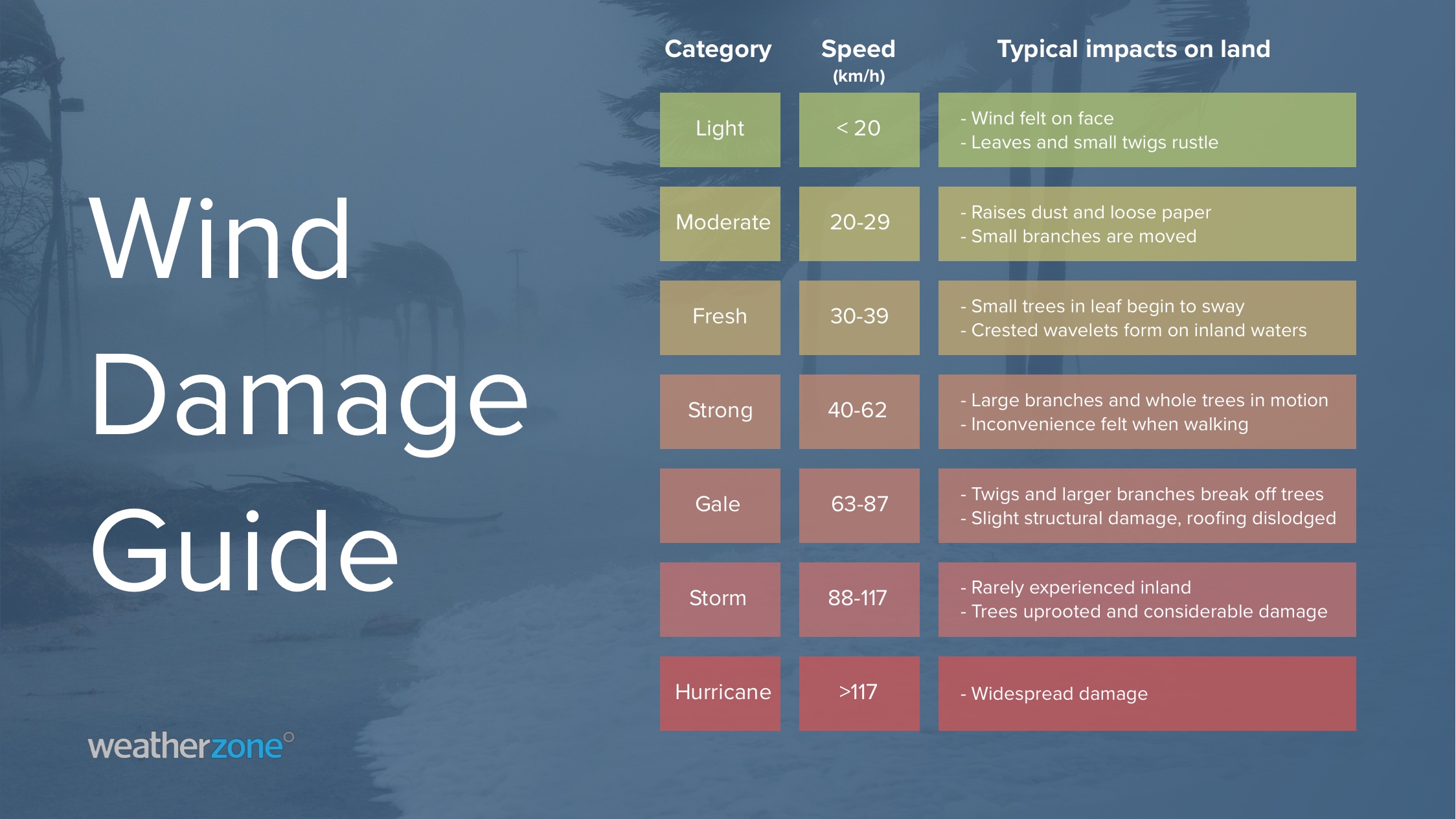
This is the point where you definitely want to bring in your patio furniture, secure any loose objects in your yard, and maybe postpone that picnic. Driving can also become tricky, especially in high-sided vehicles.
Imagine trying to hold onto your hat with both hands while simultaneously battling the wind. Not a good look, and potentially dangerous! Remember the time Grandma's prized ceramic gnome took an unexpected flight? Don't let that happen to you!
The Near-Hurricane Force: Holding On For Dear Life!
Near-hurricane force winds, clocking in at 47-54 mph, are no joke. Large branches can break off trees, power lines can come down, and structural damage becomes a real possibility.
Stay indoors! This is the kind of wind that can turn everyday objects into projectiles. That seemingly harmless garden gnome? Now a weapon. That rickety fence panel? Suddenly a flying hazard.

Think of it as nature's way of saying, "Stay inside, drink some hot chocolate, and watch a movie." Heed the warning! No amount of Instagram-worthy photos is worth risking your safety. And definitely no kite flying now!
The Big One: Hurricane Force Winds
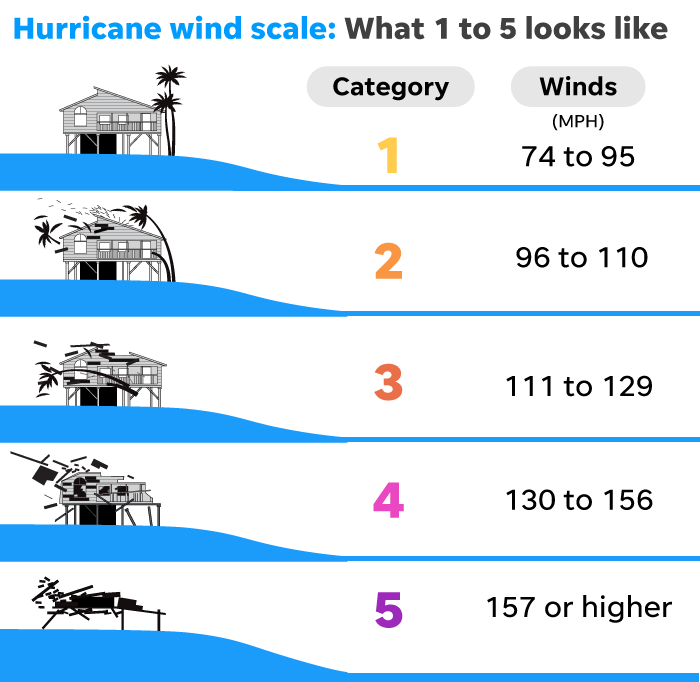
Hurricane force winds, starting at 74 mph and going up (way up!), are where the real danger lies. These winds are associated with hurricanes, typhoons, and other severe weather events.
Widespread damage is almost guaranteed. Trees will be uprooted, roofs can be torn off, and power outages are common. Evacuation may be necessary.
Imagine trying to stand upright in a hurricane. It's nearly impossible! The wind is so strong that it can literally knock you off your feet. Forget about your car, which may have already become airborne! And what about the cows?!
What Makes Wind Dangerous? More Than Just Speed
It's not just the speed of the wind that makes it dangerous, but also what it's carrying. Think of it like this: a snowball thrown gently isn't going to hurt much. But a snowball packed with ice and thrown hard? Ouch!
Similarly, wind carrying debris like tree branches, signs, or even loose trash can cause significant damage and injury. The faster the wind, the more force these projectiles have.
And don't forget the rain! Strong winds combined with heavy rain can create flooding and make driving conditions even more hazardous. Always check weather forecasts.
Wind Safety Tips: Common Sense is Key
So, how do you stay safe when the wind starts howling? Here are a few simple tips:
- Stay informed: Pay attention to weather forecasts and warnings from your local authorities.
- Secure loose objects: Bring in your patio furniture, trash cans, and anything else that could be blown away.
- Trim trees: Remove any dead or weak branches that could fall in strong winds.
- Stay indoors: During severe wind events, the safest place to be is inside a sturdy building.
- Be aware of your surroundings: Watch out for falling trees, power lines, and other hazards.
The Humorous Side of Wind: When Bad Hair Days Turn Epic
Let's be honest, sometimes wind can be downright hilarious. Remember that time your friend tried to take a selfie on a windy beach, and their hair ended up completely covering their face? Or when a sudden gust of wind sent your umbrella inside out?

While safety is paramount, there's also a certain comedic element to the power of the wind. It's a reminder that nature is in charge, and sometimes all you can do is laugh and adjust your hat. Just don't laugh too hard while the cow flies by!
Just remember to laugh responsibly and avoid any potentially dangerous situations. A bad hair day is one thing, but a trip to the emergency room is quite another.
Respect the Wind, Enjoy the Breeze
Wind can be a powerful and destructive force, but it can also be a gentle and refreshing presence. Understanding the dangers of high winds is essential for staying safe, but it's also important to appreciate the beauty and wonder of this natural phenomenon.
So, the next time you feel a breeze on your face, take a moment to consider its power and potential. And maybe, just maybe, thank Mother Nature for not sending a gale-force wind your way.
Remember, a little bit of wind can be fun. A lot of wind can be dangerous. Be smart, be prepared, and always respect the power of the wind!