How Far Away Should You Live From Power Lines

Ever wondered if that buzzing sound you sometimes hear is actually affecting you? We're not talking conspiracy theories here, but rather a practical look at something many of us live near: power lines. Figuring out how far away you should live from them isn't just a question for scientists; it's a question for anyone buying a house, renting an apartment, or simply curious about their environment. It's a topic that blends science, safety, and a little bit of common sense, making it surprisingly engaging.
So, why should you care? For beginners just starting to think about this, understanding the basics of electromagnetic fields (EMFs) is key. Are they dangerous? How do they work? We'll break it down simply. For families, especially those with young children, the focus shifts to potential long-term health effects and minimizing exposure. Is it worth paying extra for a house further away? For those who are hobbyists – maybe you're into gardening, beekeeping, or even amateur radio – knowing how power lines might affect your activities can be incredibly useful. Perhaps your garden needs more sunlight because of the shadow, or maybe you're experiencing interference with your radio equipment. This isn't just about health; it's about optimizing your life.
The challenge is that there's no single, universally agreed-upon "safe" distance. Different countries and organizations have different guidelines. Some studies suggest a possible link between living close to high-voltage power lines and certain health issues, particularly in children. However, other studies show no significant correlation. The key takeaway? Prudence is best. The most common example is that of high-voltage transmission lines (the really big ones on towers). The general consensus leans towards greater distances from these, often suggesting hundreds of feet. On the other hand, distribution lines (the ones running along streets) typically carry lower voltage, and the recommended distance is less critical, though still worth considering.
Must Read
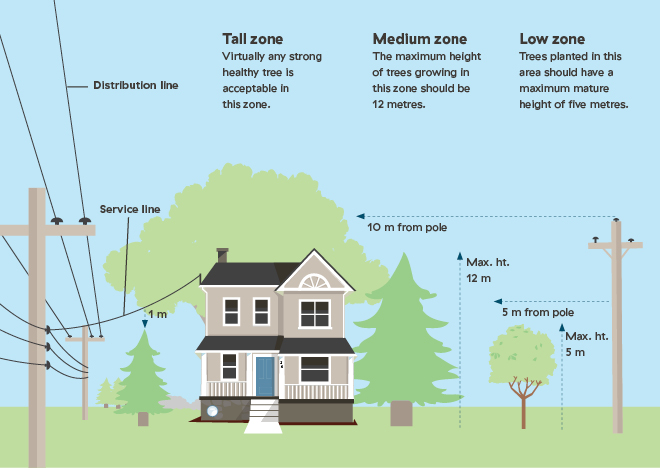
There are also variations to consider. Underground power lines produce weaker EMFs above ground compared to overhead lines. Furthermore, the type of construction can also play a role. Newer, more shielded designs can reduce EMF emissions. Another thing to think about is the location of the power lines relative to your living spaces. Are they directly outside your bedroom window, or are they further away and shielded by other buildings or trees? These factors all contribute to your overall exposure.
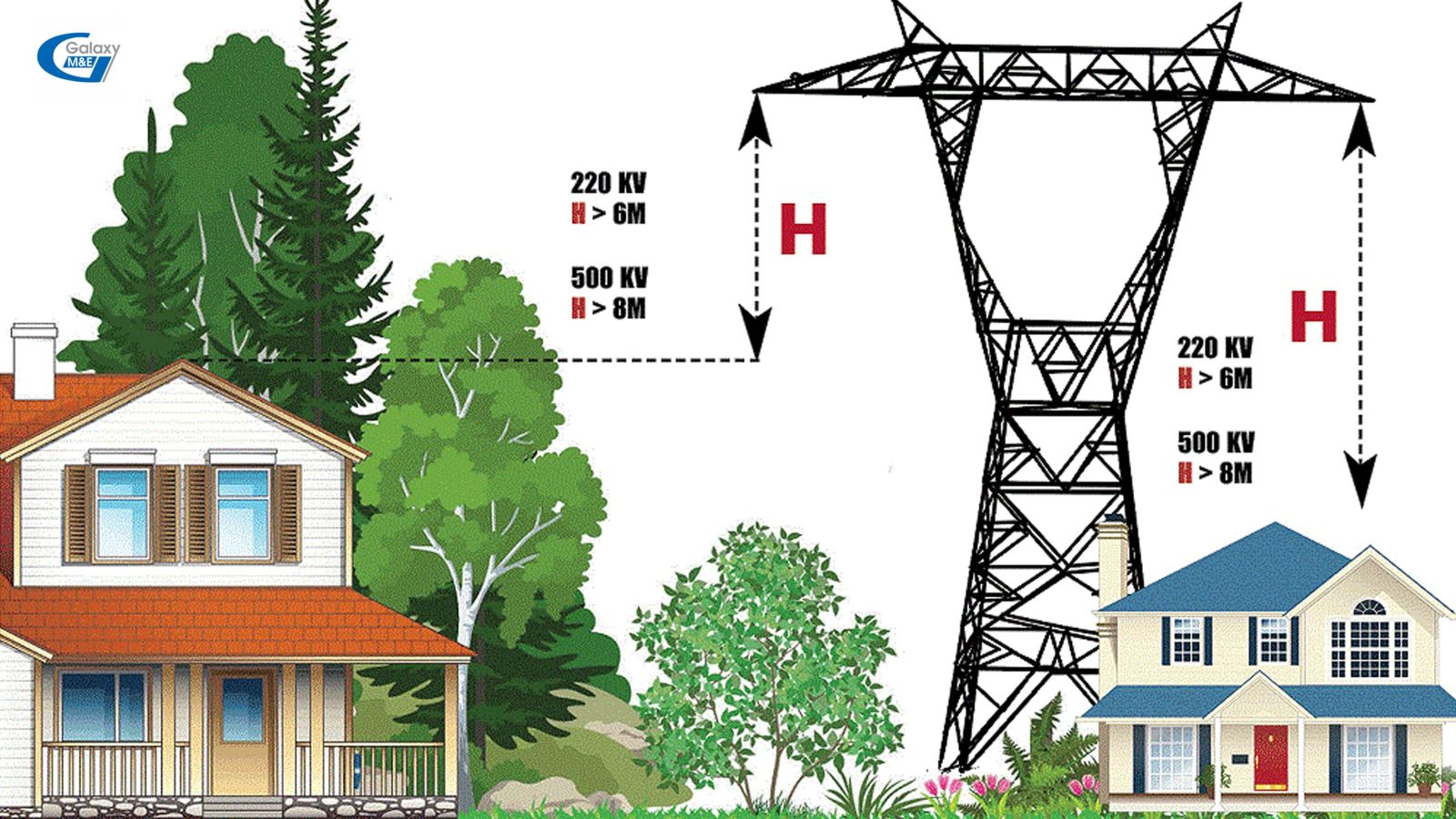
Getting started is easier than you think. Here are some simple, practical tips: First, do your research. Look into local regulations and guidelines regarding power line setbacks. Second, when house hunting, ask about the power lines – their voltage, distance from the property, and any shielding measures in place. Third, use a basic EMF meter. You can find affordable meters online or at hardware stores to get a rough estimate of the EMF levels in different areas of a property. Fourth, talk to your doctor if you have any specific health concerns. They can provide personalized advice based on your individual circumstances. Finally, consult with a qualified electrician or EMF specialist if you have serious concerns or need a more detailed assessment.
Exploring the world of power lines and EMFs can be surprisingly empowering. It's about taking control of your environment and making informed decisions for yourself and your family. Armed with a little knowledge and some practical tools, you can navigate this topic with confidence and enjoy a healthier, more informed life.