
How Electricity Is Generated From Wind Energy
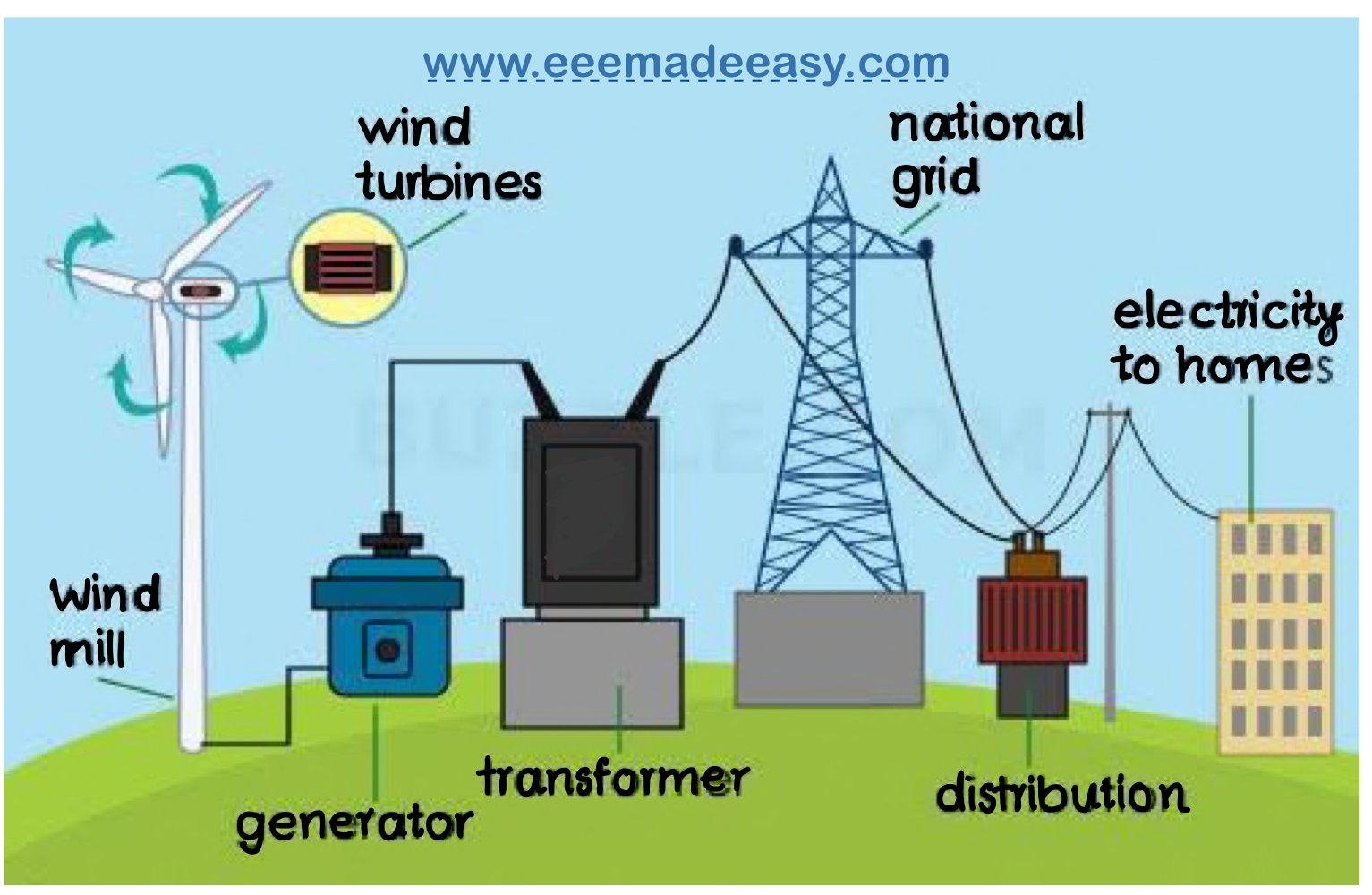
Okay, let's talk about wind energy. You know, those giant windmills that dot the landscape? Everyone seems to love them. I'm not saying I hate them. But…are they really as magical as everyone claims?
Let's dive into how these things supposedly make electricity. Prepare for a slightly simplified, possibly heretical explanation.
The Breezy Basics
First, there's wind! Pretty obvious, right? It's just air moving around. Sometimes gently, sometimes like a grumpy toddler throwing a tantrum. But, fundamentally just moving air.
Must Read
This wind smacks into those massive blades. These aren't your cute little pinwheel blades. They're gigantic, airplane-wing-like structures. Think of it like a sail on a boat. But instead of pushing a boat, it spins a turbine.
Spinning Like a Top (But Bigger)
So the wind spins the blades. The blades are connected to a central shaft. This shaft spins around and around. Like a top, but way less likely to fall over. (Hopefully.)
Now, here's where the magic sort of happens. This spinning shaft is connected to a generator. And generators are the secret sauce.
A generator basically takes motion and turns it into electricity. Imagine rubbing a balloon on your head. Static electricity, right? This is like the industrial-strength version.
Magnets! How Do They Work?
Inside the generator are coils of wire and powerful magnets. When the shaft spins, it causes the magnets to move relative to the wires. This movement forces electrons in the wire to move.
Moving electrons are electricity! Seriously, that's all it is. A flow of tiny particles doing a little dance. And that's what powers your phone, your TV, and maybe even your electric toothbrush.
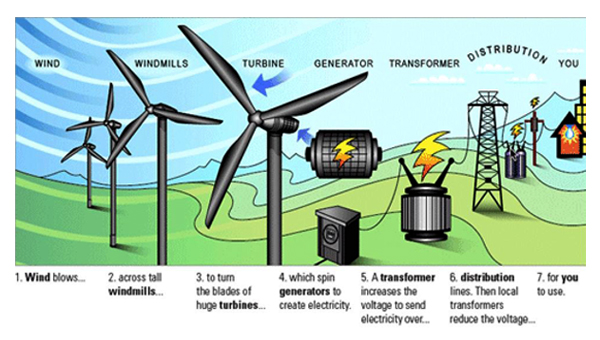
So, in a nutshell: Wind makes blades spin, spinning makes a generator whir, whirring makes electricity. Simple, right? Well, kind of.
The "Unpopular" Opinion Section
Okay, here's where I might get some flak. While wind energy sounds amazing, there are a few things that bug me. Don't get me wrong, I'm not saying we should ditch it entirely.
But let's be real, those turbines aren't exactly winning any beauty contests. They are gigantic structures. And they're everywhere.
And what happens when the wind doesn't blow? The turbines just sit there, looking majestic but utterly useless. A field of giant, silent windmills. Slightly depressing, isn't it?
The Intermittency Issue
This "intermittency" is a big problem. We can't just rely on the wind blowing on demand. What if you need to watch your favorite show and the wind decides to take a nap? Disaster!
That means we need backup power sources. Like, gasp, fossil fuels. Which kind of defeats the whole "clean energy" thing, doesn't it?

And then there's the noise. Those blades can be surprisingly loud. A constant whooshing sound. Not exactly the soundtrack to a relaxing afternoon picnic.
Bird Choppers? (Okay, Maybe Not All of Them)
And let's not forget the birds! Okay, I know, this is a sensitive topic. Wind turbines can pose a threat to birds. Especially large birds of prey.
The industry is working on solutions, like better placement and blade designs. But it's still a concern. Nobody wants to see a majestic eagle turned into...well, you get the idea.
So, while I appreciate the effort to harness the wind, I think we need to be realistic about its limitations. It's not a perfect solution.
The Nuances of Wind Energy
Let's be clear, wind energy has made significant strides. Modern wind turbines are far more efficient than their older counterparts.
Smart grids and energy storage technologies are also improving. These advancements can help mitigate the intermittency problem and make wind power more reliable.
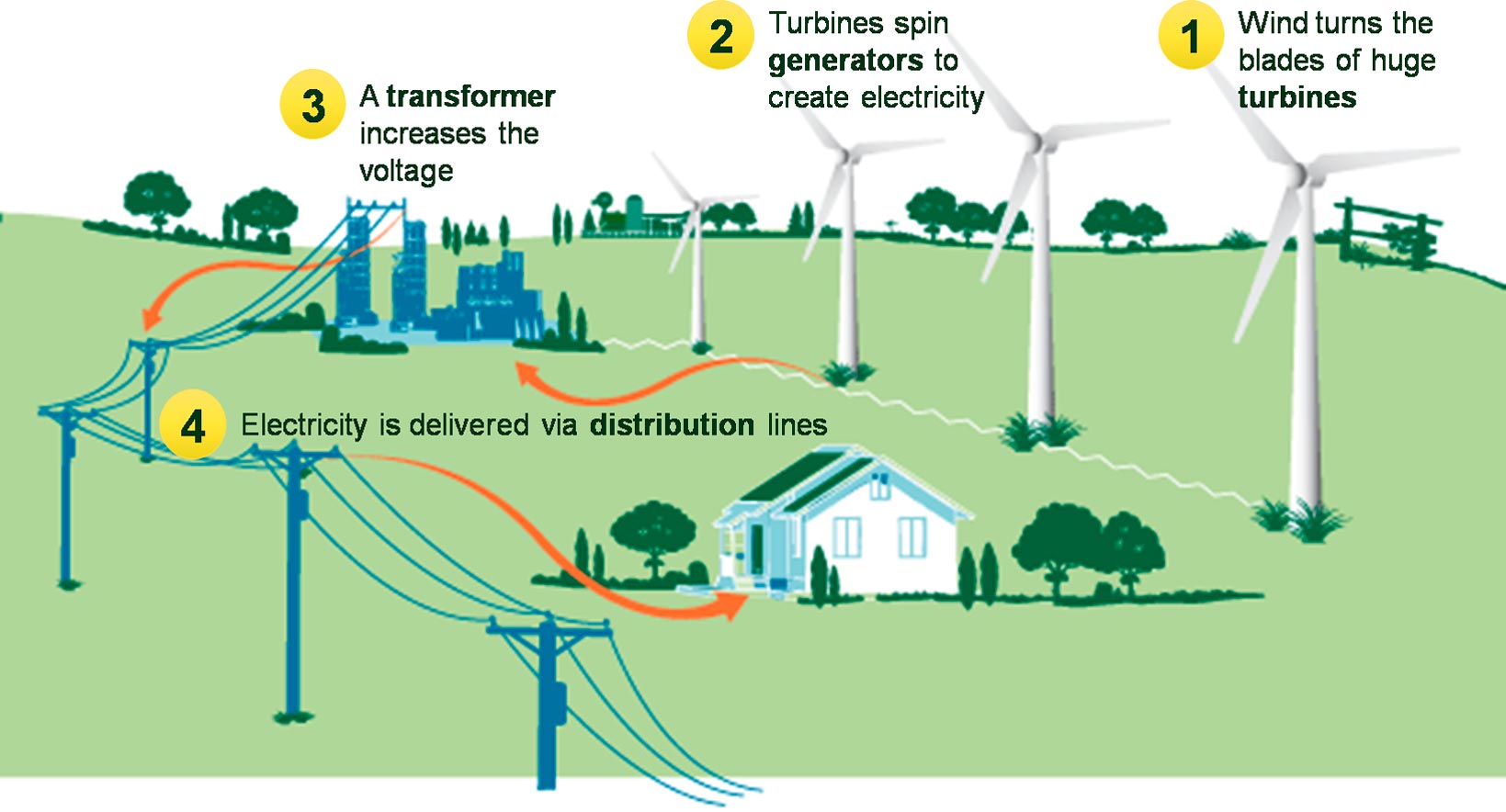
Also, where wind farms are sited makes a huge difference. Location is key!
The Technological Advances
Engineers are constantly tweaking blade designs to catch more wind. They are also working on making turbines quieter and less harmful to wildlife. It's an ongoing process of innovation.
Another area of development is offshore wind farms. These are located in the ocean, where the wind is generally stronger and more consistent. Plus, they are out of sight. Win-win, right?
But even with these advancements, wind energy still faces challenges. Cost, reliability, and environmental impact are all important considerations.
Finding the Balance
So, what's the answer? Well, I don't have all the answers. But I think it's about finding a balance. We need a diverse mix of energy sources.
Wind energy can be part of the solution. But it shouldn't be the only solution. We also need solar, hydro, nuclear, and maybe even some fossil fuels (at least for now).
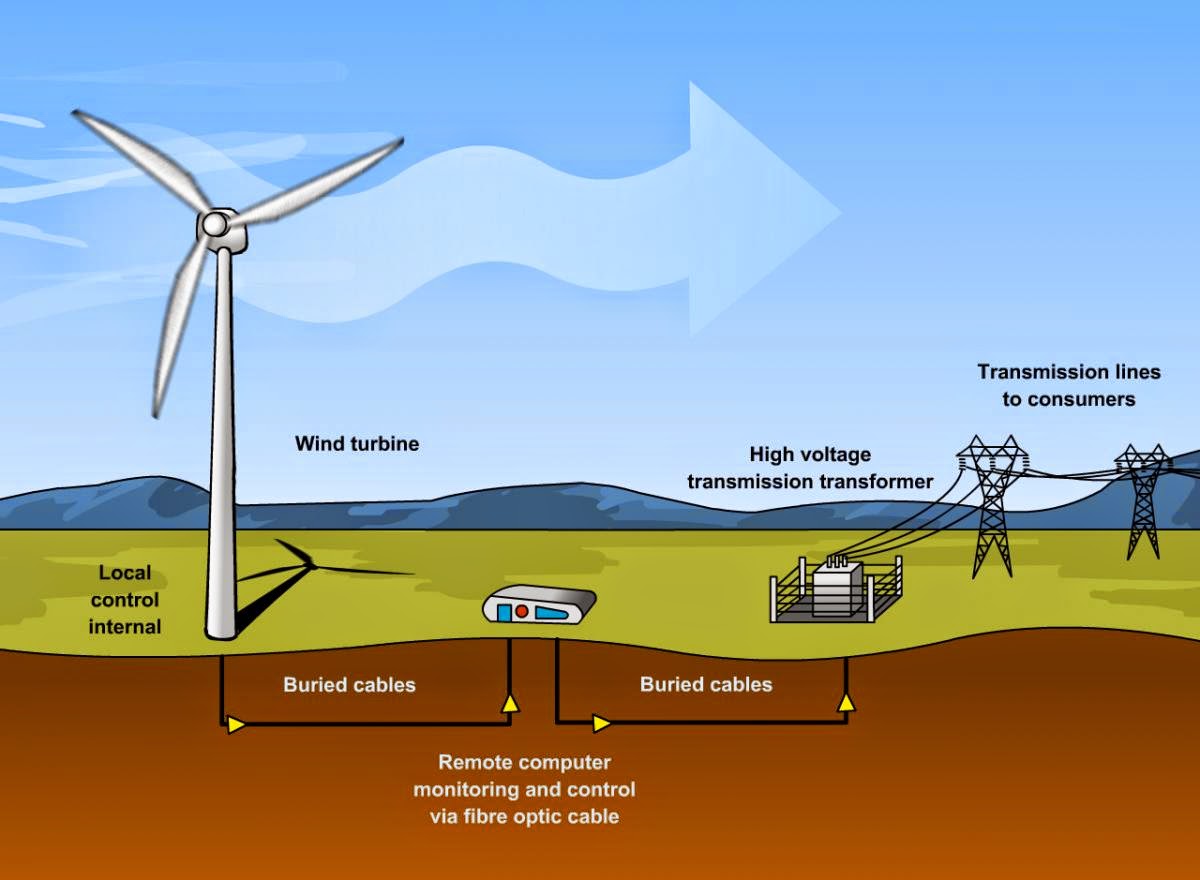
It's about finding the right combination that is both sustainable and reliable. A complex equation, to be sure.
A Call for Realistic Optimism
I think we need to be realistic about the challenges of transitioning to a clean energy future. It's not going to be easy. And it's not going to happen overnight.
But that doesn't mean we shouldn't try. We should continue to invest in renewable energy technologies and explore new solutions. Just don't expect miracles.
And maybe, just maybe, we can find a way to power our world without making it uglier or killing all the birds. That would be a nice change of pace.
The End (For Now)
So, there you have it. My slightly cynical, slightly skeptical, but ultimately hopeful take on wind energy. It's not perfect. But it's something. And maybe, with a little ingenuity, it can become something even better.
Now, if you'll excuse me, I'm going to go stare at the sky and hope for a gentle breeze. You know, just in case my phone needs charging.
And remember, next time you see a wind turbine, don't just think about clean energy. Think about the birds, the noise, and the slightly awkward aesthetics. You know, for balance.