
How Does Trash Affect The Ocean
Have you ever misplaced your keys? Or perhaps lost a sock in the dryer that just vanished into the ether? We all have those little mysteries in life.
Well, imagine that, but on a colossal, watery scale. That's kind of what our mighty
We're talking about our trash, our discarded treasures, our "oopsie" moments, all making their way into the big blue. And let's be honest, the ocean probably just sighs.
Must Read
The Ocean's Really, Really Messy Roommate
Think of the ocean as a very patient, very ancient roommate. And we, dear humans, are the ones who keep leaving our stuff everywhere.
Not just on the coffee table, mind you, but in its bed, in its fridge, even in its shower. It's a bit much, isn't it?
Our plastic bottles, our forgotten snack wrappers, even those tiny little bits of confetti from last year's party. They all seem to gravitate towards the water.
The Obvious Offenders: Big, Floaty Things
You know the ones. The
These aren't just an eyesore for our beach selfies. They're a genuine nuisance for anything living beneath the waves.
Imagine trying to navigate your home when someone's constantly throwing blankets over your head. That's a bit what it's like for a
"My unpopular opinion? The ocean probably wishes we'd just use a coaster, or at least put our rubbish in the bin."
Then there are the plastic forks, the stray flip-flops, and all those colorful buoys that escaped their duties. They become ocean wanderers.

They can travel thousands of miles, seeing more of the world than most of us ever will. But they're not exactly sending postcards.
Instead, they're just... there. Cluttering up coral reefs and making little fish feel like they're living in an obstacle course.
The Sneaky Invaders: Microscopic Mayhem
Now, here's where things get a bit more insidious, like glitter after a crafting session. We're talking about
These tiny pieces are what happen when bigger plastics break down. They don't disappear, oh no. They just become smaller.
Imagine a cosmic dust bunny, but made of plastic. That's essentially what these microplastics are, swirling in the ocean currents.
They come from everything: our clothes shedding fibers in the wash, the tiny beads in some cosmetics, even the tires on our cars.
And because they're so small, they're practically invisible to the naked eye. But they're definitely not invisible to the hungry mouths of tiny sea creatures.

"The ocean's silent plea? 'Could you please stop feeding me your tiny plastic crumbs? My tummy is rumbling, but not for this!'"
Small plankton might mistake them for food. Then bigger fish eat the plankton. And guess what? It eventually works its way up the food chain.
Suddenly, that delicious piece of fish you're having for dinner might come with a side of microscopic plastic. Yum? Probably not.
It's like finding a tiny, inexplicable plastic bead in your cereal. Not a deal-breaker, but definitely not ideal.
The Ocean's Patience Wears Thin
Our ancient roommate, the ocean, has seen a lot. Dinosaurs, ice ages, questionable fashion trends. But even it has its limits.
The accumulation of all this stuff, big and small, means that its natural balance is getting a bit wobbly.
Marine animals, from the smallest shrimp to the biggest whale, are all feeling the pinch. It’s not a fun house party for them anymore.
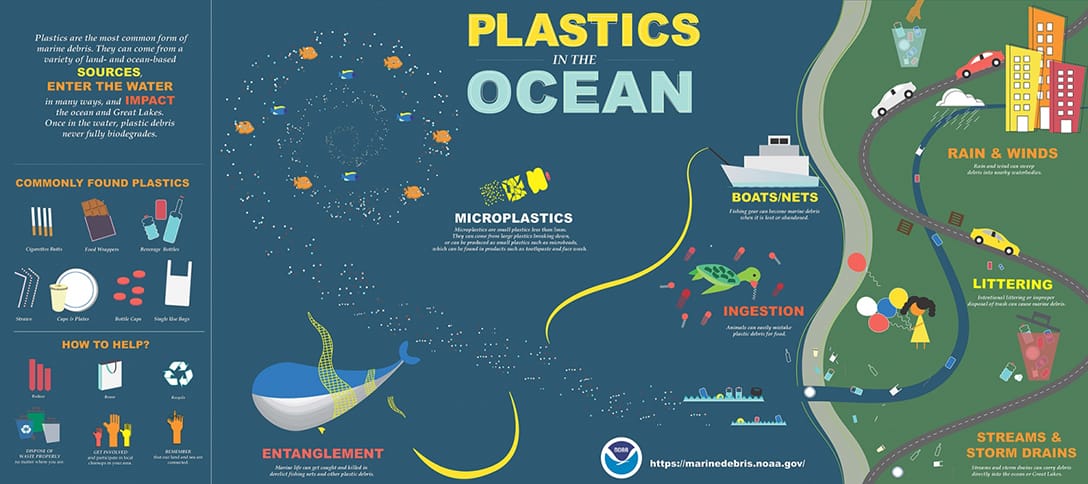
Fish get entangled in discarded fishing nets, which are lovingly called "ghost gear" because they keep fishing long after they've been lost. Spooky, right?
Birds mistake plastic for food, filling their tiny bellies with indigestible junk. It's a sad reality, not a playful one for them.
"The ocean isn't asking for much, just a bit of tidiness. It's not a bottomless pit for our unwanted stuff, you know."
Coral reefs, the vibrant cities of the sea, are also struggling. Plastic can smother them or make them more vulnerable to disease.
Imagine if someone started dumping plastic bags on your favorite park. It wouldn't be very pleasant, would it?
What About Our Beach Days?
Beyond the deep-sea drama, think about our own selfish reasons. Who wants to go for a swim and bump into a soggy plastic bag?
Our beautiful coastlines, once pristine and inviting, can become littered with debris. It ruins the perfect Instagram shot, if nothing else.
There's something inherently disappointing about a pristine sandy beach marred by a collection of human detritus. It just doesn't feel right.
The joy of a barefoot stroll can be interrupted by a sharp piece of plastic. Ouch! Not quite the relaxing vibe we're going for.
"My truly unpopular opinion? Maybe the ocean should start sending us invoices for all the clean-up it has to do."
And if the fish are eating plastic, and we're eating the fish... well, it’s not exactly a health fad we're endorsing.

It’s like finding a mystery ingredient in your homemade soup. You probably don’t want to know where it came from.
So, What's a Messy Roommate to Do?
We've established that the ocean is probably a bit fed up. But it's not all doom and gloom, or endless sighs from our watery friend.
We can actually make a difference, without having to build a giant sieve for the entire ocean. Small things, mostly.
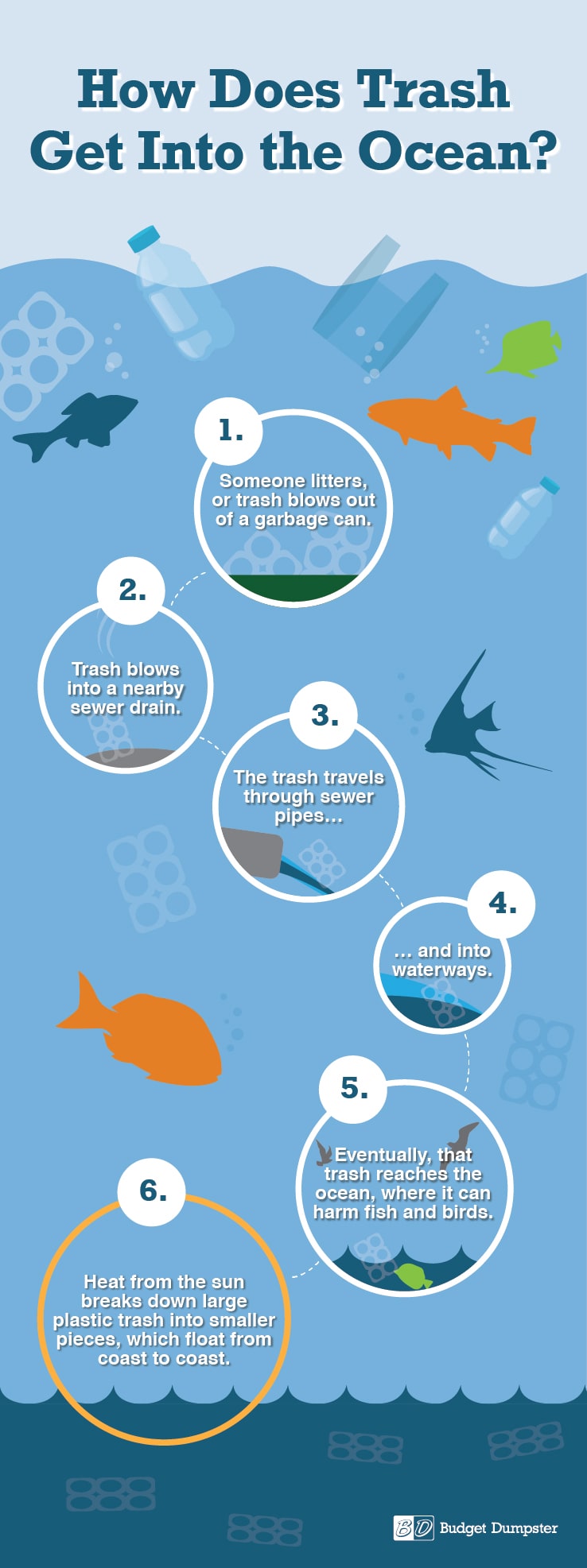
It starts with our own bins. Making sure our trash actually goes in the bin, and not accidentally into a nearby puddle that leads to a drain.
Reducing our reliance on single-use plastics is a biggie. That reusable coffee cup? Those sturdy shopping bags? They're like superhero capes for the planet.
"The ocean's quiet whisper? 'Just a little less plastic, please. My back is starting to hurt from all this carrying.'"
And if you ever see a piece of trash on the ground, especially near a water source, pick it up! It's like tidying up a tiny bit of the ocean's living room.
Every little bit helps. It makes the ocean's job a tiny bit easier. And perhaps, just perhaps, it'll stop sighing so much.
Because at the end of the day, we all share this big blue planet. Let's try to be better roommates, shall we?